All Roads Lead to Anhydroretinol

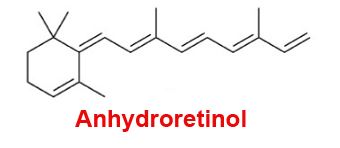
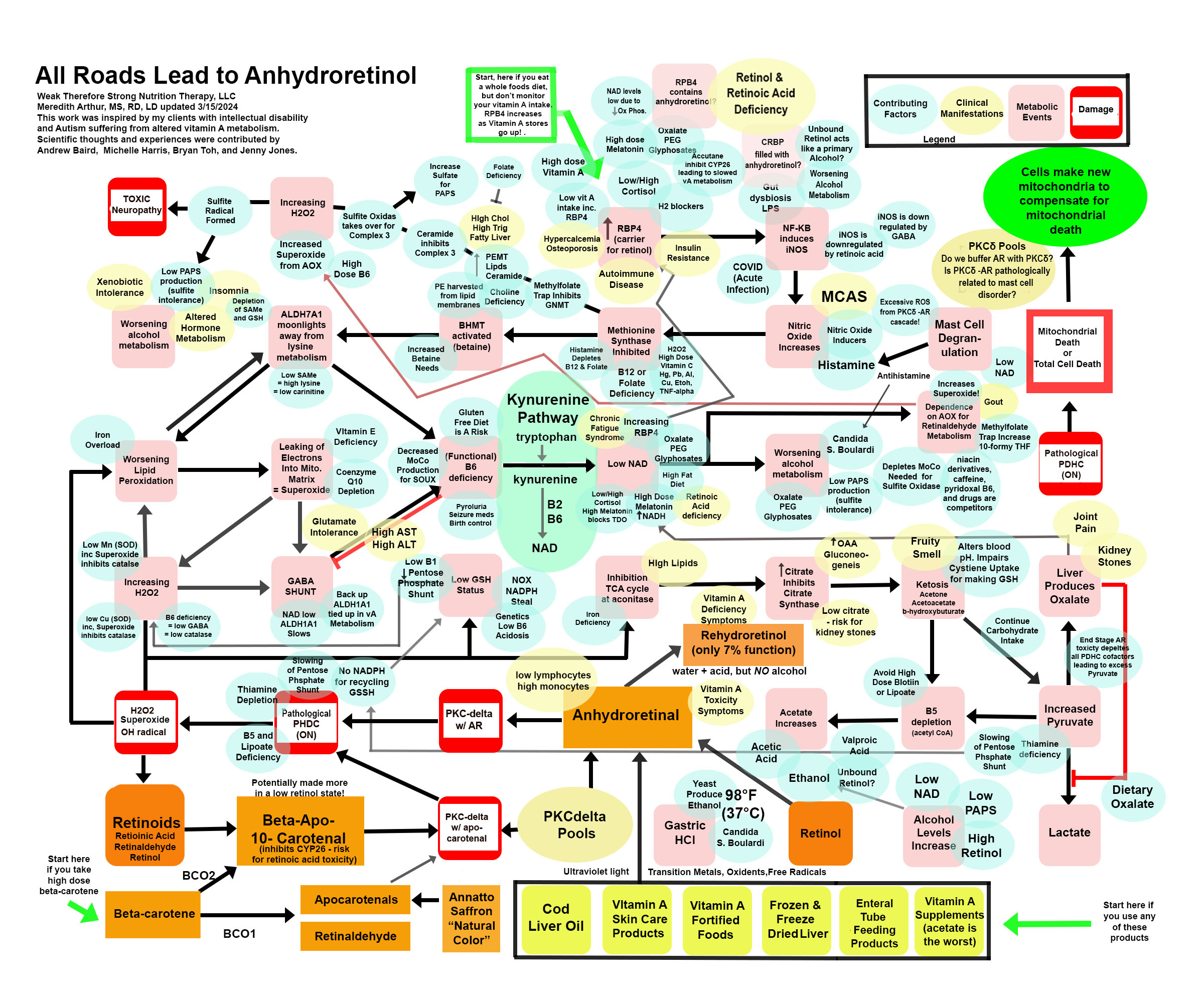
Anhydroretinol (AR) is a metabolic byproduct of vitamin A degradation as well as vitamin A metabolism. We can consume it in varying amounts in our diet, and our body, in the absence of a primary alcohol, will convert AR to rehydroretinol using acid and water. Rehydroretinol only has 7% of the function of retinol. However, when alcohol levels are high due to candida, low production of PAPS (sulfate deficiency) to buffer alcohol we make in metabolism, or alcohol intake, then the normal acid we make in metabolism in small amounts (or in large amounts if we are pantothenic acid deficient), acetic acid, becomes a catalyst to make AR. I’ll be posting more about this metabolite of vitamin A because I believe this is THE SNEAKY version of vitamin A that causes “vitamin A toxicity.” Below is a “road map” of anhydroretinol. You can start at the green arrows and work your way through the map, you can look at the blue ovals which are contributing factors that can lead you into this pathway, or you can look at the yellow ovals to find symptoms or lab work that matches your own health issues. This is a work in progress and some is hypothetical, but what I am sure of is the damaging effects of AR on the individuals I care for is directly related to the pathological damage it does to energy metabolism.
If you would prefer to listen to me babble on and on about this topic, here is a video! Enjoy. Or just scroll on by and read to avoid my crazy rant about AR. Hahaha!

(At the end of this video there is a link to a correction video to show that beta-apo-10′- carotenol is NOT the carotenal that inhibits CYP26. This is actually beta-apo-13′-carotenone. It’s made from retinol, retinaldehyde, and retinoic acid during oxidative stress. It is an inhibitor of CYP26 and can cause accumulation of retinoic acid leading to feedback inhibition of RALDH. This will cause accumulation of retinaldehyde and possibly formation of A2E. Also, beta-apo-13′- carotene is an antagonist for specific RXR and can inhibit gene transcription. It seems to be not a good guy. It’s the reason why a low vitamin A diet that still provides retinoic acid from animal protein, could lead to a worsening health status over time. Beta-apo-10′-carotenol is made from BCO2 metabolism, and if you have a slow BCO1 enzyme, this is still a risk if it is not buffered with retinol. It can act in place of retinol in PKCdelta and pathologically turn on PDHC. )

So…I’m a dietitian, not a doctor. This blog isn’t medical advice, but only a guideline to share with your own personal healthcare provider. It isn’t intended to diagnose or treat a condition without supervision of your own health care practitioner. Please don’t make any changes to your diet, supplements, nutrition, or medications without talking with your own provider who knows you and your health needs.

That being said, please read on….it’s intriguing!

Why is AR so toxic?

AR’s toxicity is due to quantum mechanics. Yes, that’s right. I am not a quantum mechanics expert. I’m a dietitian, but the general gist of the problem is that when retinol becomes AR, it shifts the double bond orientation, and it no longer behaves like retinol.

Retinol plays a pivotal role in a signaling molecule called PKCδ signalosome. This signalosome consists of PKCδ, retinol, and cytochrome C of the electron transport chain. The PKCδ signalosome works to sense the energy level in the cell. When the cell doesn’t need energy anymore, PKCδ inhibits pyruvate dehydrogenase kinase 2 (PDK2). PDK2 usually removes a phosphate groups from Thiamine Pyrophosphate on E1 to make the enzyme pyruvate dehydrogenase complex (PDHC) inactive. PDHC converts pyruvate to acetyl CoA. Turning off PDHC helps to stop the influx of acetyl CoA into Krebs cycle and keeps the cell from creating too many electrons in the intermembrane space.

This regulation is crucial because if too many electrons accumulate, then they leak back through the mitochondrial membrane into the matrix and form superoxide. Superoxide causes a metabolic cascade that shuts down the Krebs cycle at the level of alpha-ketoglutarate. Alpha-ketoglutarate is exported from the mitochondria to the cytosol where GABA is made. GABA is a sort of “antioxidant” for the liver because it upregulates enzymes of that deal with reactive oxygen species. Typically this restores the mitochondria to normal, but when individuals have broken pathways involved in this mopping up of reactive oxygen species, they struggle with the damages that occur.

The problem with AR taking the place of retinol in the PKCδ signalosome is that AR pathologically turns on PDHC. It doesn’t shut off. This eventually leads to depletion of all the cofactors needed to support restoration of the cells redox balance.  In addition to AR causing this issue, apo-carotenal can also take the place of retinol on PKCδ signalosome and cause the same issue. The authors of the quantum chemistry study on retinoids report that if there is enough fresh retinol in the cell to “buffer” AR or apo-carotenal, then the cell should just have a sort of energy boost with a prolonged “on” state of PDHC, but the question I have is, “Can all people tolerate this prolonged on state or is this the start of an endless pathological cycle leading to more and more AR production within the body in those with broken redox pathways?”

AR toxicity may be due to the fact that it can’t be stored like retinol in hepatic stellate cells.

AR lacks the “-OH” group required for lecithin:retinol acyltransferase (LRAT) reaction using phosphatidylcholine to make a retinyl ester. LRAT is an enzyme that helps to package retinol into cellular retinol binding proteins and also onto retinol binding protein four (RPB4). Our cells have two back up enzymes, acyl-CoA:retinol acyltransferase (ARAT) and Acyl CoA: Diacylglycerol O-acyltransferase 1 (DGAT). These enzymes also require anhydroretinol to have an “-OH” group to interact with their “CoA” to bind a fat to retinol. ARAT and DGAT are back up enzymes for taking care of high levels of retinol in the cell. The acyl CoA portion of the fat they want to add requires pantothenic acid. I believe that AR causes pantothenic acid deficiency by pushing the conversion of pyruvate to acetyl CoA in excess. Interestingly, knockout of DGAT results in mice having alopecia. Many people with vitamin A toxicity experience alopecia. I’ve seen people lose parts of their eyebrows or have patches of hair missing from their heads. If DGAT is tied up in trying to bind retinol or rehydroretinol due to levels are too high in cells (a high NADH state prevents metabolism of retinol and would also prevent metabolism of rehydroretinol), then it’s busy mopping up retinol. That may be the cause of the alopecia, although a functional B6 deficiency is possible as well. The fact that AR can’t be stored, and that alcoholics have been found to have no storage of vitamin A in their liver, makes me highly suspicious that their alcohol intake plus the acetic acid or other possible acids in metabolism pushed them into the process of making AR from retinol.

How do we “detox” AR?

The fact that AR can’t be stored in hepatic stellate cells, means we have to get it out of liver cells. I have a sneaky suspicion that AR is “stored” in PKCδ, but that is yet to be explored as AR research is mostly limited to trying to induce cell death and it’s thought that it’s a very small part of vitamin A metabolism in vivo. However, I suspect AR production is significant in individuals with broken metabolic pathways. Children with MBD5 deletion in particular have reduced glutathione production. Genetics likely plays a huge role in susceptibility to AR toxicity.

AR can’t be stored like retinol in hepatic stellate cells because it lacks a polar “-OH” group, and this feature also may make it unable to diffuse through cell membranes. However, it has been found to have a high affinity for RBP4 and CRBP. This would, in theory ,displace retinol from RBP4 and also CRBP leaving healthy retinol unbound. This cause a high primary alcohol state. PAPS is a buffer for primary alcohols, like ethanol, but there is no sulfotransferase available for retinol, and so retinol will remain free in the cytosol.

I think it’s probable that we have to get into a state of “low alcohol” in a cell to be able to use an acid to convert AR to rehydroretinol. I also think it’s possible that if there is unbound retinol in the cell, it can be the “alcohol” that is causing the problem of making more retinol. This means that having plenty of phosphatidylcholine available for LRAT to safely tuck away vitamin A is important. The back up enzymes ARAT and DGAT are also helpful, but I suspect these are tied up in fatty acid synthesis as AR pushes people into ketosis and also makes them produce excessive lipids from citrate exportation from the cells. It is also possible that the low vitamin A diet can help someone get into a low retinol state. However, my own person experience with my daughter over the past three years was that a low vitamin A diet did not solve her vitamin A toxicity, and in fact she worsened. Hind sight tells me that this could be due to the lack of unadulterated retinol to buffer anhydroretinol in the cells.

Cellular control of retinol levels is crucial to prevent cell toxicity. The ability to excrete retinol from cells onto RBP4 to keep cytosolic levels of retinol normal is highly dependent on blood pH. In acidosis, calcium channels function poorly and calcium influx into cells decreases. Calcium is crucial for the STRA6 pore that allows retinol to leave the cell to open. Calcium actually binds to calmodulin, and when calcium levels increase in the cell, STRA6 doors are open. Unfortunately, when AR takes the place of retinol in PKCδ and pathologically turns on PDHC, the ensuing reactive oxygen species pushes cells into reluctant ketosis which causes acidosis. Thus, efflux of retinol from cells is stagnant, and until acidosis is resolved, retinol levels will stay high in cells, or if the cell is in a low retinol state, the levels will stay low. It may be though, since retinol is polar, that it can diffuse out of the cell through membranes. This remains to be explored, but it is possible that while retinol is doing this, which isn’t very efficient at all.

What if most of the retinol in the body is AR or Rehydroretinol?

The possibility that someone is so very far stuck in this pathway that they have no true retinol is quite possible. What would this look like? An individual that lacks sufficient, true retinol would have immune dysfunction. Blood work would show IgA and/or IgG deficiency. Stool testing would show IgA deficiency. This is due to retinoic acid is needed for the immune system to function. A person with severe AR toxicity might have low lymphocyte counts and high liver enzymes. I suspect this person’s underlying issue would be candida of the stomach that hasn’t been diagnosed. This would lead to all oral intakes of vitamin A being converted into anhydroretinol while in the gut. Someone with mild AR toxicity might only have low platelet counts and high monocytes as retinoic acid is needed to induce platelet production and it is needed to convert monocytes into macrophages. Of course, these are general ideas based on experience and reading individual labs of the people I care for.

What made me find AR as the sneaky vitamin A toxin?

After an entire year dealing with clients suffering from vitamin A toxicity as well as my own daughter having suffered for three years, one of my clients, Oasis, who has a CAPZB variant showed me that the true problem is anhydroretinol. His mother and I have become good friends and we prayed that we would find what is causing Oasis, Zoey, and my other client’s inability to use vitamin A correctly in their body. Our prayers were answered.

Oasis’ CAPZB variant makes him have an altered versions of F-Actin which is a cytoskeletal protein that gives membranes stability. He is more vulnerable to anything that causes oxidative stress to membranes. He has suffered greatly over the past five years from anhydroretinol toxicity from a combination of enteral nutrition, valproic acid altering his ability to bind retinol in the body, and altered metabolism. We can all thank Oasis and his mom Marcela for helping us to solve the puzzle of vitamin A toxicity, but not just them!

I also need to thank a few other clients and parents for trusting me in this deep dive. Olivia’s labs (in addition to Oasis’) showed me all the worst broken pathways when vitamin A is out of control. My own daughter Zoey’s urinary organic acid tests and plasma amino acid tests were quite revealing. The trends were consistent among these individuals. And finally, James, who has down syndrome, also helped me to find what’s truly going on in Vitamin A toxicity. There are a few other clients that are no longer with me due to a change in my employment, but they also helped me along this journey to find that ALL ROADS LEAD TO ANHYDRORETINOL.

Of course, I can’t forget my excellent sounding board that consisted of Andrew Baird, vitamin A researcher, Jenny Jones, PhD, molecular genetics, Michelle Harris, nutrition student (close to graduation!), and Bryan Toh, pharmacist. Without them checking my hypotheses and feeding bits of information that I didn’t know, because, yes, we all can’t know everything, I wouldn’t have finally found the root cause of vitamin A toxicity.

What is the rescue? How do we escape from the devastating effects of AR?

(Please consult with your personal healthcare provider before making changes)

In short, okay, not so short, the rescue is:

  • Choline from phosphatidylcholine or eggs (I prefer free range eggs) – 500 mg of choline is the goal.
  • Meeting at minimum the RDA for minerals especially Cu, Mo, Zn, Se, Mn. (may need more or less)
  • Benfotiamine (down regulates NF-KB and lowers iNOS, restores pentose phosphate shunt generation of NADPH needed for glutathione recycling)
  • Pantothenic acid (avoidance of biotin or lipoate at the same time as pantothenic acid; helps to restore acetate to acetyl CoA instead of becoming acetone). I am unsure of the amount. I am giving my own daughter 25 mg per day.
  • Vitamin E (Possibly 400 IU per day. I don’t recommend going very high because we need enough vitamin C in the body to recycle the oxidized form of vitamin E.)
  • Vitamin C (preferably slow release vitamin C, 250 mg per day, or dietary sources of vitamin C)
  • Coenzyme Q10 (to mop up the excess electrons being produced in the cells from pathological turning on of PDHC)
  • B12 – 2000 mcg per day
  • Folate in the form of 5-methylfolate or folinic acid (although folinic acid may contribute to gout)
  • After making sure mineral are restored, increase betaine intake or start betaine (trimethylglycine) but only 250 mg for kids and 500 mg for adults if you have not had a plasma amino acid tests to check methionine levels. There is a small chance that people in this pathway have high slow CBS enzymes which can cause high methionine levels and adding betaine could cause brain edema. This is very rare, but any children that are non-speaking should have a plasma amino acid test prior to starting betaine and never go over 1000 mg per day.
  • At least 2 mg of riboflavin to support betaine pathway
  • A source of retinol daily. I believe that many people who are making too much anhydroretinol could just have rehydroretinol available, and this version of vitamin A has altered double bond configuration and probably will not function like retinol (researchers say 7% activity of retinol). One source of retinol could be the eggs – many don’t agree with me on this, but I have found that eggs have rescued my clients from high AST and ALT. Also, eggs are a good source of biotin and biotin is needed for the STRA6 pore to work properly. Taking a biotin supplement is problematic because it competes with pantothenic acid for absorption. Another possible source of retinol is raw milk or butter (be sure to follow food safety precautions and find a reputable source).
  • CAUTION with increase retinol in those with candida or other fungal infections. I think these people are the individuals who feel sick from consuming retinol sources. Treating fungal infections may be necessary before increasing retinol intake.
  • Treatment of candida (There is a risk for candida of the esophagus and stomach in anyone who takes antihistamines. This may a contributor to making AR in the intestinal track before absorption. This is what is happening to my daughter.)
  • Epsom salt baths to help PAPS (exploring PAPS due to APS pyruvate carboxylase)
  • Liposomal glutathione. This is controversial because it’s possible that the glutathione is in a oxidized form. However, oxidized glutathione actually triggers the CBS enzyme to upregulate and make more glutathione. Also, with the restoration of the pentose phosphate shunt pathway using benfotiamine, there should be plenty of NADPH to be able to restore glutathione to its reduced state.
  • Monitor for acidosis with health care practitioner and treat if able
    • AVOID citrate supplements or citrate versions of supplements
    • Preferable potassium bicarbonate or sodium bicarbonate (but not with meals)
    • acidosis needs to be resolved because “first pass” of fresh retinol that is needed by cells in the peripheral tissues is dependent on uptake of triglycerides from chylomicron first.

Things to avoid if you are susceptible to anhydroretinol toxicity…

  • Saccharomyces boulardii. This is an “anti-yeast” that people take when having candida. It is sometimes added to probiotics. This has been shown to make more alcohol than Candida
  • Alcohol – alcohol is the determinant factor in making anhydroretinol in the gut. Especially never eat cheese with your alcohol!
  • Spore based bacillus subtilis (metabolizes sulfate) and we actually need all the sulfate we can get to restore PAPS which takes care of excess alcohol in the cell. It won’t fix the high retinol problem. More on that in a later post.
  • Annatto and Saffron – contain apo-carotenal and this could be pathological if in PKCδ
  • Excess carotenoids if you KNOW your have a slow BCO1 because BCO2 makes various apo-carotenols which might displace retinol from PKCdelta.
  • One carotenol that is made from retinol, retinaldehyde, and retinoic acid, under oxidative stress is beta-apo-13′-carotenal that is known to inhibit CYP26 and also likely turns on PDCH pathologically. (doi: 10.3390/nu14071411;
  • “Shelf stable” foods with vitamin A added. Vitamin A degrades over time and the vitamin A added could have some anhydroretinol in it.
  • Skin products with retinyl palmitate or retinol added as the UV light makes anhydroretinol in skin.
  • Milk in clear containers. Avoid fat free milk that is fortified with vitamin A.
  • Cod liver oil. This was the first product in which scientists found anhydroretinol!
  • Any competitors for aldehyde oxidase. Aldehyde oxidase is the only enzyme to convert retinaldehyde to retinoic acid without requiring NAD. It is Mo dependent). Other substrates for AOX include niacin, caffeine, and vitamin B6. Often B6 levels will be high in the blood and that is a sneaky sign of having issues with anhydroretinol.

THE MASSIVE AMOUNT OF ARTICLES THAT I READ TO COME TO THIS CONCLUSION

  • Hammerling U, Kim YK, Quadro L. Quantum chemistry rules retinoid biology. Commun Biol. 2023 Feb 28;6(1):227. doi: 10.1038/s42003-023-04602-x. PMID: 36854887; PMCID: PMC9974979.
  • Hammerling U. Retinol as electron carrier in redox signaling, a new frontier in vitamin A research. Hepatobiliary Surg Nutr. 2016 Feb;5(1):15-28. doi: 10.3978/j.issn.2304-3881.2016.01.02. PMID: 26904553; PMCID: PMC4739943.
  • Buck J, Grün F, Derguini F, Chen Y, Kimura S, Noy N, Hämmerling U. Anhydroretinol: a naturally occurring inhibitor of lymphocyte physiology. J Exp Med. 1993 Aug 1;178(2):675-80. doi: 10.1084/jem.178.2.675. PMID: 8340762; PMCID: PMC2191109.
  • Acin-Perez R, Hoyos B, Zhao F, Vinogradov V, Fischman DA, Harris RA, Leitges M, Wongsiriroj N, Blaner WS, Manfredi G, Hammerling U. Control of oxidative phosphorylation by vitamin A illuminates a fundamental role in mitochondrial energy homoeostasis. FASEB J. 2010 Feb;24(2):627-36. doi: 10.1096/fj.09-142281. Epub 2009 Oct 7. PMID: 19812372; PMCID: PMC2812036.
  • Kim YK, Hammerling U. The mitochondrial PKCδ/retinol signal complex exerts real-time control on energy homeostasis. Biochim Biophys Acta Mol Cell Biol Lipids. 2020 Nov;1865(11):158614. doi: 10.1016/j.bbalip.2020.158614. Epub 2020 Jan 10. PMID: 31927141; PMCID: PMC7347429.
  • Korichneva I, Hämmerling U. F-actin as a functional target for retro-retinoids: a potential role in anhydroretinol-triggered cell death. J Cell Sci. 1999 Aug;112 ( Pt 15):2521-8. doi: 10.1242/jcs.112.15.2521. PMID: 10393808.
  • Md. Jakaria, Abdel A. Belaidi, Ashley I. Bush, Scott Ayton, Vitamin A metabolites inhibit ferroptosis [anhydroretinol sensitizes cells to ferroptosis], Biomedicine & PharOasistherapy, Volume 164, 2023, 114930, ISSN 0753-3322, https://doi.org/10.1016/j.biopha.2023.114930.
  • T.K. Murray, P. Erdody, The absorption and metabolism of anhydrovitamin A by the rat, Biochimica et Biophysica Acta (BBA) – General Subjects, Volume 136, Issue 2, 1967, Pages 375-378, ISSN 0304-4165, https://doi.org/10.1016/0304-4165(67)90082-7.
  • Martin Kohlmeier,Chapter 9 – Fat-Soluble Vitamins and Nonnutrients,Editor(s): Martin Kohlmeier,Nutrient Metabolism (Second Edition),Academic Press,2015,Pages479-565,ISBN 9780123877840,https://doi.org/10.1016/B978-0-12-387784-0.00009-2.
  • Gloria E. Mao, Michael D. Collins, Fadila Derguini, Teratogenicity, Tissue Distribution, and Metabolism of the retro-Retinoids, 14-Hydroxy-4,14-retro-retinol and Anhydroretinol, in the C57BL/6J Mouse,Toxicology and Applied PharOasislogy,Volume 163, Issue 1,2000,Pages 38-49,ISSN 0041-008X, https://doi.org/10.1006/taap.1999.8828.
  • O’Connell MJ, Chua R, Hoyos B, Buck J, Chen Y, Derguini F, Hämmerling U. Retro-retinoids in regulated cell growth and death. J Exp Med. 1996 Aug 1;184(2):549-55. doi: 10.1084/jem.184.2.549. PMID: 8760808; PMCID: PMC2192720.
  • Chen Y, Buck J, Derguini F. Anhydroretinol induces oxidative stress and cell death. Cancer Res. 1999 Aug 15;59(16):3985-90. PMID: 10463596.
  • Chiu HJ, Fischman DA, Hammerling U. Vitamin A depletion causes oxidative stress, mitochondrial dysfunction, and PARP-1-dependent energy deprivation. FASEB J. 2008 Nov;22(11):3878-87. doi: 10.1096/fj.08-112375. Epub 2008 Aug 1. PMID: 18676402; PMCID: PMC2574026.
  • de Oliveira MR. Vitamin A and Retinoids as Mitochondrial Toxicants. Oxid Med Cell Longev. 2015;2015:140267. doi: 10.1155/2015/140267. Epub 2015 May 19. PMID: 26078802; PMCID: PMC4452429.
  • Klamt F, Dal-Pizzol F, Gelain DP, Dalmolin RS, Birnfeld de Oliveira R, Bastiani M, Horn F, Fonseca Moreira JC. Vitamin A treatment induces apoptosis through an oxidant-dependent activation of the mitochondrial pathway. Cell Biol Int. 2008 Jan;32(1):100-6. doi: 10.1016/j.cellbi.2007.08.018. Epub 2007 Sep 7. PMID: 17942326.
  • Álvarez, R., Vaz, B., Gronemeyer, H., & de Lera, A.R. (2014). Functions, therapeutic applications, and synthesis of retinoids and carotenoids. Chemical reviews, 114 1, 1-125 .
  • Yokoyama H, Matsumoto M, Shiraishi H, Miyagi M, Kato And S, Ishii H. Nicotinamide adenine dinucleotide-dependent retinoic acid formation from retinol in the human gastric mucosa: inhibition by ethanol, acetaldehyde, and H2 blockers. Alcohol Clin Exp Res. 2001 Jun;25(6 Suppl):24S-8S. doi: 10.1097/00000374-200106001-00007. PMID: 11410737.
  • Ramkumar S, Moon J, Golczak M, von Lintig J. LRAT coordinates the negative-feedback regulation of intestinal retinoid biosynthesis from β-carotene. J Lipid Res. 2021;62:100055. doi: 10.1016/j.jlr.2021.100055. Epub 2021 Feb 23. PMID: 33631212; PMCID: PMC8010212.
  • Bhat PV, Roller PP, De Luca LM. Chemical and biological studies on 5,6-epoxyretinol, retinol, and their phosphoryl esters. J Lipid Res. 1981 Sep;22(7):1069-78. PMID: 7299288.
  • Zweier, Jay & Velayutham, Murugesan & Hemann, Craig. (2013). FRBM4.
  • Tejada-Jimenez M, Chamizo-Ampudia A, Calatrava V, Galvan A, Fernandez E, Llamas A. From the Eukaryotic Molybdenum Cofactor Biosynthesis to the Moonlighting Enzyme mARC. Molecules. 2018; 23(12):3287. https://doi.org/10.3390/molecules23123287
  • Wang CH, Zhang C, Xing XH. Xanthine dehydrogenase: An old enzyme with new knowledge and prospects. Bioengineered. 2016 Nov;7(6):395-405. doi: 10.1080/21655979.2016.1206168. Epub 2016 Aug 18. PMID: 27537049; PMCID: PMC5094624.
  • Jansson EA, Huang L, Malkey R, Govoni M, Nihlén C, Olsson A, Stensdotter M, Petersson J, Holm L, Weitzberg E, Lundberg JO. A mammalian functional nitrate reductase that regulates nitrite and nitric oxide homeostasis. Nat Chem Biol. 2008 Jul;4(7):411-7. doi: 10.1038/nchembio.92. Epub 2008 May 30. PMID: 18516050.
  • Gudz TI, Tserng KY, Hoppel CL. Direct inhibition of mitochondrial respiratory chain complex III by cell-permeable ceramide. J Biol Chem. 1997 Sep 26;272(39):24154-8. doi: 10.1074/jbc.272.39.24154. PMID: 9305864.
  • Zeczycki TN, Maurice MS, Attwood PV. Inhibitors of Pyruvate Carboxylase. Open Enzym Inhib J. 2010;3:8-26. doi: 10.2174/1874940201003010008. PMID: 22180764; PMCID: PMC3238542.
  • Moffett JR, Puthillathu N, Vengilote R, Jaworski DM, Namboodiri AM. Acetate Revisited: A Key Biomolecule at the Nexus of Metabolism, Epigenetics and Oncogenesis-Part 1: Acetyl-CoA, Acetogenesis and Acyl-CoA Short-Chain Synthetases. Front Physiol. 2020 Nov 12;11:580167. doi: 10.3389/fphys.2020.580167. PMID: 33281616; PMCID: PMC7689297.
  • Gray LR, Tompkins SC, Taylor EB. Regulation of pyruvate metabolism and human disease. Cell Mol Life Sci. 2014 Jul;71(14):2577-604. doi: 10.1007/s00018-013-1539-2. Epub 2013 Dec 21. PMID: 24363178; PMCID: PMC4059968.
  • Velayutham M, Hemann CF, Cardounel AJ, Zweier JL. Sulfite Oxidase Activity of Cytochrome c: Role of Hydrogen Peroxide. Biochem Biophys Rep. 2016 Mar 1;5:96-104. doi: 10.1016/j.bbrep.2015.11.025. PMID: 26709389; PMCID: PMC4689149.
  • Kundu TK, Velayutham M, Zweier JL. Aldehyde oxidase functions as a superoxide generating NADH oxidase: an important redox regulated pathway of cellular oxygen radical formation. Biochemistry. 2012 Apr 3;51(13):2930-9. doi: 10.1021/bi3000879. Epub 2012 Mar 19. PMID: 22404107; PMCID: PMC3954720.
  • Kitamura S, Sugihara K, Ohta S. Drug-metabolizing ability of molybdenum hydroxylases. Drug Metab Pharmacokinet. 2006 Apr;21(2):83-98. doi: 10.2133/dmpk.21.83. PMID: 16702728.
  • https://owl.oit.umass.edu/departments/OrganicChemistry/appendix/pKaTable.html
  • Appendix C: Dissociation Constants and pKa Values for Acids at 25°C”, appendix 3 from the book Principles of General Chemistry (v. 1.0). 
  • Tolleson WH, Cherng SH, Xia Q, Boudreau M, Yin JJ, Wamer WG, Howard PC, Yu H, Fu PP. Photodecomposition and phototoxicity of natural retinoids. Int J Environ Res Public Health. 2005 Apr;2(1):147-55. doi: 10.3390/ijerph2005010147. PMID: 16705812; PMCID: PMC3814709.
  • Álvarez, R., Vaz, B., Gronemeyer, H., & de Lera, A.R. (2014). Functions, therapeutic applications, and synthesis of retinoids and carotenoids. Chemical reviews, 114 1, 1-125 .
  • Kinetics of Formation of Anhydroretinol From Retinyl Acetate in Acetic Acid, and From Retinyl Acetate and Retinol in Ethanol and Ethanol–Water Mixtures Containing Hydrogen Chloride.Acta Chemica Scandinavicadoi 10.3891/acta.chem.scand.30a-0285
  • Saeed A, Bartuzi P, Heegsma J, Dekker D, Kloosterhuis N, de Bruin A, Jonker JW, van de Sluis B, Faber KN. Impaired Hepatic Vitamin A Metabolism in NAFLD Mice Leading to Vitamin A Accumulation in Hepatocytes. Cell Mol Gastroenterol Hepatol. 2021;11(1):309-325.e3. doi: 10.1016/j.jcmgh.2020.07.006. Epub 2020 Jul 19. PMID: 32698042; PMCID: PMC7768561.
  • Ciorba MA. Kynurenine pathway metabolites: relevant to vitamin B-6 deficiency and beyond. Am J Clin Nutr. 2013 Oct;98(4):863-4. doi: 10.3945/ajcn.113.072025. Epub 2013 Aug 28. PMID: 23985806; PMCID: PMC4498264.
  • Sherriff JL, O’Sullivan TA, Properzi C, Oddo JL, Adams LA. Choline, Its Potential Role in Nonalcoholic Fatty Liver Disease, and the Case for Human and Bacterial Genes. Adv Nutr. 2016 Jan 15;7(1):5-13. doi: 10.3945/an.114.007955. PMID: 26773011; PMCID: PMC4717871.
  • Harrison EH, Quadro L. Apocarotenoids: Emerging Roles in Mammals. Annu Rev Nutr. 2018 Aug 21;38:153-172. doi: 10.1146/annurev-nutr-082117-051841. Epub 2018 May 11. PMID: 29751734; PMCID: PMC6295211.
  • Fortuna VA, Trugo LC, Borojevic R. Acyl-CoA: retinol acyltransferase (ARAT) and lecithin:retinol acyltransferase (LRAT) activation during the lipocyte phenotype induction in hepatic stellate cells. J Nutr Biochem. 2001 Nov;12(11):610-621. doi: 10.1016/s0955-2863(01)00179-6. PMID: 12031254.
  • O’Byrne SM, Blaner WS. Retinol and retinyl esters: biochemistry and physiology. J Lipid Res. 2013 Jul;54(7):1731-43. doi: 10.1194/jlr.R037648. Epub 2013 Apr 26. PMID: 23625372; PMCID: PMC3679378.
  • Shih MY, Kane MA, Zhou P, Yen CL, Streeper RS, Napoli JL, Farese RV Jr. Retinol Esterification by DGAT1 Is Essential for Retinoid Homeostasis in Murine Skin. J Biol Chem. 2009 Feb 13;284(7):4292-9. doi: 10.1074/jbc.M807503200. Epub 2008 Nov 20. PMID: 19028692; PMCID: PMC2640966.
  • Lillig, Christopher Horst & Fernandes, Aristi & Schwenn, Jens & Vlamis-Gardikas, Alexios & Holmgren, Arne. (2003). Redox Regulation of 3′-Phosphoadenylylsulfate Reductase from Escherichia coli by Glutathione and Glutaredoxins. The Journal of biological chemistry. 278. 22325-30. 10.1074/jbc.M302304200. 
  • Carnauba RA, Baptistella AB, Paschoal V, Hübscher GH. Diet-Induced Low-Grade Metabolic Acidosis and Clinical Outcomes: A Review. Nutrients. 2017 May 25;9(6):538. doi: 10.3390/nu9060538. PMID: 28587067; PMCID: PMC5490517.
  • Yamada K, Yoshida K. Multiple subcellular localizations and functions of protein kinase Cδ in liver cancer. World J Gastroenterol. 2022 Jan 14;28(2):188-198. doi: 10.3748/wjg.v28.i2.188. PMID: 35110944; PMCID: PMC8776529.
  • Boer, Johannes & Alsters, Paul & Meetsma, Auke & Hage, Ronald & Browne, Wesley & Feringa, Ben. (2008). The role of salicylic acid, L-ascorbic acid and oxalic acid in promoting the oxidation of alkenes with H2O2 catalysed by [MnIV2(O)3(tmtacn)2]2+. Dalton transactions (Cambridge, England : 2003). 44. 6283-95. 10.1039/b809177c. 
  • Webster CR, Johnston AN, Anwer MS. Protein kinase Cδ protects against bile acid apoptosis by suppressing proapoptotic JNK and BIM pathways in human and rat hepatocytes. Am J Physiol Gastrointest Liver Physiol. 2014 Dec 15;307(12):G1207-15. doi: 10.1152/ajpgi.00165.2014. Epub 2014 Oct 30. PMID: 25359536; PMCID: PMC4269680.
  • Leitges, Michael & Gimborn, Kerstin & Elis, Winfried & Kalesnikoff, Janet & Hughes, Michael & Krystal, Gerald & Huber, Michael. (2002). Protein Kinase C- Is a Negative Regulator of Antigen-Induced Mast Cell Degranulation. Molecular and cellular biology. 22. 3970-80. 10.1128/MCB.22.12.3970-3980.2002. 
  • Penniston, Kristina & Tanumihardjo, Sherry. (2006). The acute and chronic effects of vitamin A. The American journal of clinical nutrition. 83. 191-201. 10.1093/ajcn/83.2.191. 
  • O’Connell MJ, Chua R, Hoyos B, Buck J, Chen Y, Derguini F, Hämmerling U. Retro-retinoids in regulated cell growth and death. J Exp Med. 1996 Aug 1;184(2):549-55. doi: 10.1084/jem.184.2.549. PMID: 8760808; PMCID: PMC2192720.
  • Gimeno A, Zaragozá R, Vivó-Sesé I, Viña JR, Miralles VJ. Retinol, at concentrations greater than the physiological limit, induces oxidative stress and apoptosis in human dermal fibroblasts. Exp Dermatol. 2004 Jan;13(1):45-54. doi: 10.1111/j.0906-6705.2004.00112.x. PMID: 15009115.
  • Venkatachalam, Kallidaikurichi. (2015). Biochemical Sulfuryl Group Transfer From 3’-Phosphoadenosine 5’-Phosphosulfate (PAPS) Versus Phosphoryl Transfer From ATP: What Can Be Learnt?. Biochemistry and Physiology. 5. 10.4172/2168-9652.1000192. 
  • MAHTAB S. BAMJI, H. R. CAMA, AND P. R. SUNDARESAN. THE JOURNAL CIBOLO(ICAL CHEMISTRY Anhydrovitamin A, and Rehydrovitamin A,. II Vol. 237, No. 9,September 1962 Printed in U.S.A. 
  • P. Phuapradit, M.R. Lakshmanan, J.A. Olson,The excretion of polar metabolites of radioactive anhydroretinol in rabbit bile,Biochimica et Biophysica Acta (BBA) – Lipids and Lipid Metabolism,Volume 260, Issue 4,1972,Pages 666-669,ISSN 0005-2760, https://doi.org/10.1016/0005-2760(72)90015-X.
  • Philip D. Kiser, Marcin Golczak, and Krzysztof Palczewski Chemistry of the Retinoid (Visual) Cycle Chemical Reviews 2014 114 (1), 194-232 DOI: 10.1021/cr400107q
  • Minren Xu and Jim WatsonMicroencapsulated Vitamin A Palmitate Degradation Mechanism Study To Improve the Product Stability Journal of Agricultural and Food Chemistry 2021 69 (51), 15681-15690 DOI: 10.1021/acs.jafc.1c06087
  • Yang H, Xu L, Hou L, Xu TC, Ye SH. Stability of vitamin A, E, C and thiamine during storage of different powdered enteral formulas. Heliyon. 2022 Nov 12;8(11):e11460. doi: 10.1016/j.heliyon.2022.e11460. PMID: 36411896; PMCID: PMC9674494.
  • Scientific Opinion on the safety and efficacy of vitamin A (retinyl acetate, retinyl palmitate and retinyl propionate) as a feed additive for all animal species and categories  EFSA Panel on Additives and Products or Substances used in Animal Feed (FEEDAP) First published: 08 January 2013 https://doi.org/10.2903/j.efsa.2013.3037
  • Mao GE, Collins MD, Derguini F. Teratogenicity, tissue distribution, and metabolism of the retro-retinoids, 14-hydroxy-4,14-retro-retinol and anhydroretinol, in the C57BL/6J mouse. Toxicol Appl PharOasisl. 2000 Feb 15;163(1):38-49. doi: 10.1006/taap.1999.8828. PMID: 10662603.
  • Zhong G, Seaman CJ, Paragas EM, Xi H, Herpoldt KL, King NP, Jones JP, Isoherranen N. Aldehyde Oxidase Contributes to All-Trans-Retinoic Acid Biosynthesis in Human Liver. Drug Metab Dispos. 2021 Mar;49(3):202-211. doi: 10.1124/dmd.120.000296. Epub 2020 Dec 18. PMID: 33355213; PMCID: PMC7885020.
  • Modin A, Björne H, Herulf M, Alving K, Weitzberg E, Lundberg JO. Nitrite-derived nitric oxide: a possible mediator of ‘acidic-metabolic’ vasodilation. Acta Physiol Scand. 2001 Jan;171(1):9-16. doi: 10.1046/j.1365-201X.2001.00771.x. PMID: 11350258.
  • Flores-Cortez YA, Barragán-Bonilla MI, Mendoza-Bello JM, González-Calixto C, Flores-Alfaro E, Espinoza-Rojo M. Interplay of retinol binding protein 4 with obesity and associated chronic alterations (Review). Mol Med Rep. 2022 Jul;26(1):244. doi: 10.3892/mmr.2022.12760. Epub 2022 Jun 3. PMID: 35656886; PMCID: PMC9185696.
  • Bozic I, Savic D, Laketa D, Bjelobaba I, Milenkovic I, Pekovic S, Nedeljkovic N, Lavrnja I. Benfotiamine attenuates inflammatory response in LPS stimulated BV-2 microglia. PLoS One. 2015 Feb 19;10(2):e0118372. doi: 10.1371/journal.pone.0118372. PMID: 25695433; PMCID: PMC4335016.
  • Veselá A, Wilhelm J. The role of carbon dioxide in free radical reactions of the organism. Physiol Res. 2002;51(4):335-9. PMID: 12449430.
  • Ciorba MA. Kynurenine pathway metabolites: relevant to vitamin B-6 deficiency and beyond. Am J Clin Nutr. 2013 Oct;98(4):863-4. doi: 10.3945/ajcn.113.072025. Epub 2013 Aug 28. PMID: 23985806; PMCID: PMC4498264.
  • Robert Harker DM, Martinez B, Tabaac BJ. B12 Deficiency and Clinical Presentation in the Setting of Nitric Oxide Use. Case Rep Neurol Med. 2021 Apr 8;2021:5590948. doi: 10.1155/2021/5590948. PMID: 33927908; PMCID: PMC8049814.
  • Amiraslani B, Sabouni F, Abbasi S, Nazem H, Sabet M. Recognition of betaine as an inhibitor of lipopolysaccharide-induced nitric oxide production in activated microglial cells. Iran Biomed J. 2012;16(2):84-9. doi: 10.6091/ibj.1012.2012. PMID: 22801281; PMCID: PMC3600952.
  • Nicolaou A, Kenyon SH, Gibbons JM, Ast T, Gibbons WA. In vitro inactivation of mammalian methionine synthase by nitric oxide. Eur J Clin Invest. 1996 Feb;26(2):167-70. doi: 10.1046/j.1365-2362.1996.122254.x. PMID: 8904527.
  • Sharma VS, Pilz RB, Boss GR, Magde D. Reactions of nitric oxide with vitamin B12 and its precursor, cobinamide. Biochemistry. 2003 Jul 29;42(29):8900-8. doi: 10.1021/bi034469t. PMID: 12873151.
  • Broderick KE, Singh V, Zhuang S, Kambo A, Chen JC, Sharma VS, Pilz RB, Boss GR. Nitric oxide scavenging by the cobalamin precursor cobinamide. J Biol Chem. 2005 Mar 11;280(10):8678-85. doi: 10.1074/jbc.M410498200. Epub 2005 Jan 4. PMID: 15632180.
  • Danishpajooh IO, Gudi T, Chen Y, Kharitonov VG, Sharma VS, Boss GR. Nitric oxide inhibits methionine synthase activity in vivo and disrupts carbon flow through the folate pathway. J Biol Chem. 2001 Jul 20;276(29):27296-303. doi: 10.1074/jbc.M104043200. Epub 2001 May 22. PMID: 11371572.
  • Sampaio AL, Dalli J, Brancaleone V, D’Acquisto F, Perretti M, Wheatley C. Biphasic modulation of NOS expression, protein and nitrite products by hydroxocobalamin underlies its protective effect in endotoxemic shock: downstream regulation of COX-2, IL-1β, TNF-α, IL-6, and HMGB1 expression. Mediators Inflamm. 2013;2013:741804. doi: 10.1155/2013/741804. Epub 2013 May 28. PMID: 23781123; PMCID: PMC3679756.
  • Weinberg JB, Chen Y, Jiang N, Beasley BE, Salerno JC, Ghosh DK. Inhibition of nitric oxide synthase by cobalamins and cobinamides. Free Radic Biol Med. 2009 Jun 15;46(12):1626-32. doi: 10.1016/j.freeradbiomed.2009.03.017. Epub 2009 Mar 27. Erratum in: Free Radic Biol Med. 2011 Oct 1;51(7):1471. PMID: 19328848; PMCID: PMC2745708.
  • Stincone A, Prigione A, Cramer T, Wamelink MM, Campbell K, Cheung E, Olin-Sandoval V, Grüning NM, Krüger A, Tauqeer Alam M, Keller MA, Breitenbach M, Brindle KM, Rabinowitz JD, Ralser M. The return of metabolism: biochemistry and physiology of the pentose phosphate pathway. Biol Rev Camb Philos Soc. 2015 Aug;90(3):927-63. doi: 10.1111/brv.12140. Epub 2014 Sep 22. PMID: 25243985; PMCID: PMC4470864.
  • Young BD, Varney KM, Wilder PT, Costabile BK, Pozharski E, Cook ME, Godoy-Ruiz R, Clarke OB, Mancia F, Weber DJ. Physiologically Relevant Free Ca2+ Ion Concentrations Regulate STRA6-Calmodulin Complex Formation via the BP2 Region of STRA6. J Mol Biol. 2021 Nov 5;433(22):167272. doi: 10.1016/j.jmb.2021.167272. Epub 2021 Sep 27. PMID: 34592217; PMCID: PMC8568335.
  • O’Connor C, Varshosaz P, Moise AR. Mechanisms of Feedback Regulation of Vitamin A Metabolism. Nutrients. 2022 Mar 21;14(6):1312. doi: 10.3390/nu14061312. PMID: 35334970; PMCID: PMC8950952.
  • Harrison EH. Carotenoids, β-Apocarotenoids, and Retinoids: The Long and the Short of It. Nutrients. 2022 Mar 28;14(7):1411. doi: 10.3390/nu14071411. PMID: 35406024; PMCID: PMC9003029.
  • Durojaye BO, Riedl KM, Curley RW Jr, Harrison EH. Uptake and metabolism of β-apo-8′-carotenal, β-apo-10′-carotenal, and β-apo-13-carotenone in Caco-2 cells. J Lipid Res. 2019 Jun;60(6):1121-1135. doi: 10.1194/jlr.M093161. Epub 2019 Mar 6. PMID: 30846527; PMCID: PMC6547639.

Vitamin A metabolism and Circadian Rhythm.

This post is a work in progress! I actually hope to have a research lab that I know who is very interested in sleep disorders to help me out here.

What if sleep disorders are just impaired vitamin A metabolism?I constantly hear this from clients and patients, “When I eat “x” I can’t sleep.”

🤔

Zoey’s no sleep foods include: chocolate, beans, and french fries. These are all high oxalate foods. Oxalate is a potent inhibitor of LDH which lowers NAD recycling. Low NAD will prevent vitamin A metabolism to retinoic acid which is the “active” form of vitamin A in the body.

Luckily, Zoey never had plantain flour after noon. By the way, plantain flour is not low oxalate and this is what led to her current vitamin A toxicity issues. You can read the short story here, or for the long version you can head to

I am now convinced that we are cycling between retinol/retinal and retinoic acid throughout the day in various organs. I think that people who stay in a high retinol/retinal state have a risk of vitamin A toxicity.

If people have low NAD habits, they will have a high risk of toxicity, but even without toxicity, low NAD habits can lead to physiological low levels of retinoic acid in various organs.

I think we who are NAD compromised must compartmentalize. People with mitochondrial disorders definitely compartmentalize. They can’t have healthy skin AND sleep. They can’t have a normal immune system AND sleep. Then, when NAD is really low they can’t have any of these because there is no more retinoic acid to compartmentalize with.

Well, retinoic acid is a ligand for Retinoic Acid Related Orphan Receptors that code for many proteins that have various functions in the body including making circadian rhythm proteins. In a low NAD state we aren’t making retinoic acid in sufficient amounts. I see this with my own daughter and also with my clients. They have all the signs of vitamin A deficiency, but are actually vitamin A sufficient and many have hypervitaminosis A due to being in a low NAD state too long.

Circadian Rhythm Proteins!!! Zoey’s mouse model of MBD5 makes very low amounts of these. If you add in a functional vitamin A deficiency, retinoic acid deficiency, then….BAM…no sleep.

What if InZomnia (my nickname for Zoey’s sleep habits when they are disrupted) is actually poor retinoic acid production? I think it is.

How to win back sleep! The Solution?

  • First, if you aren’t vitamin A toxic, I would avoid high oxalate foods after 2PM daily.
  • If you are vitamin A toxic, you could still avoid high oxalate foods after 2PM daily, but be aware that you must fix your detox pathways before you start to mobilize more retinol/retinal to retinoic acid. Going low oxalate before you are able to detox high amounts of retinoic acid could be problematic. Read here for more information on this.
  • Getting 30 minutes of morning sunlight every morning without sunglasses to set the clock for triggering melatonin release. Melatonin isn’t the only circadian rhythm protein, but it is a big one. Avoid melatonin supplements. This impair vitamin A by lowering NAD+ and also using up NAD plus in metabolism. You can read more about that here.
  • Alternatively you can purchase a therapy light. I have a Verilux Happy Light that we use in our home.
  • Avoid blue light two hours before bed. You can buy glasses with blue blockers, or put your device in nighttime mode to decrease blue light.
  • Make your room COLD. It makes us want to stay under the covers. I’m sure it helps in other ways, but I haven’t researched this yet. Feel free to comment if you know more about this.
  • Establish a soothing bedtime routine. Perhaps a bath, a non-electronic book, and prayer, to get you in the sleepy mood you need to be in.

EGGS for sleep????

Eggs will help with sleep because a metabolite of cholesterol can be a ligand for ROR. Eggs are a good source of cholesterol. However, they also do contain vitamin A…that’s a whole controversy in the vitamin A detox world. The benefits of eggs, in my opinion, outweigh the risk. Eggs are a good source of phosphatidyl choline which is needed for the very last phase of liver detoxification when drug metabolites (and vitamin A metabolites) are excreted into bile for removal from the body. At the same time that bile salt is excreted, phosphatidyl choline also leaves the liver cells. Hypervitaminosis A places a huge burden on phosphatidyl choline needs and over medication can do this as well. We can add to that the need to metabolize environmental toxins, and it is easy to see that phosphatidyl choline is an under-rated nutrient.

Also, statins would be bad here because they lower cholesterol production. No amount of coenzyme Q10 restoration is going to replace the metabolites of cholesterol that are needed as ROR ligands. These effects could go beyond just sleep proteins as you can see in this article.

So…that’s about it. Good night, sleep tight, don’t let the NAD bugs bite!

This is not written to diagnose or treat a condition, but only for informative purposes. Please consult your doctor before stopping or starting medications or supplements, and before making dietary or lifestyle changes based on the information provided. –  Meredith Arthur, MS, RD, LD 

Oxalate is a Potent Inhibitor of LDH resulting in decrease NAD recycling and impaired vitamin A metabolism

OXALATE from plants or made from VITAMIN C or GLYCINE or Miralax (PEG) in the body can impair Vitamin A metabolism

Oxalate is a component of plants that is impossible for the body to completely break down. It is a poison.  We absorb it at variable rates, but some of us make it in our bodies from vitamin C and glycine.  Excess vitamin C becomes oxalate through direct breakdown and without enzymes. Usually this occurs in vitamin C over 2000 mg, but it can happen at lower doses as well. Never take vitamin C to “bowel tolerance” as this is likely actually death of the intestinal cells due to oxalate poisoning.  Glycine is metabolized to oxalate in a B6 and thiamine deficient state, but when there is adequate B6 and Thiamine, it does not become oxalate.

When oxalate is high it impairs an enzyme called Lactate Dehydrogenase (LDH).  We have to make some lactate to keep energy metabolism going. When the body is producing lactate, it also produces NAD+ which is what drives vitamin A (retinol and retinal) metabolism forward. What I found through a deep dive into literature is that Oxalate doesn’t directly inhibit alcohol dehydrogenase or retinol dehydrogenase or aldehyde dehydrogenase which was what I was searching for.  Oxalate actually impairs lactate dehydrogenase (LDH) which lower NAD+ levels.  I hypothesize that oxalate takes away the “energy” needed to drive those reactions forward by impairing LDH. 

LDH is actually the last enzyme involved in the formation of oxalates. I believe that oxalate being able to have a feedback inhibition on LDH is a safety mechanism built into our human biology, but that it backfires and wreaks metabolic havoc on vitamin A metabolism and also energy metabolism.

Oxalate impairs LDH activity via NAD dependent pathway

https://pubmed.ncbi.nlm.nih.gov/14646967/

https://www.ncbi.nlm.nih.gov/pmc/articles/PMC473141/

https://www.sciencedirect.com/science/article/abs/pii/0009898168903768?via%3Dihub= 

Oxalate Pathogenic In Autism (Perhaps this is the connection! If oxalate impairs LDH, resulting in low NAD, then retinal levels increase. These complex with ethanolamine causing A2E and microglial activation resulting in neurological decline. Read this post for more information.)

https://pubmed.ncbi.nlm.nih.gov/21911305/


Lactate and pyruvate act as redox buffer to balance NADH/NAD

https://www.ncbi.nlm.nih.gov/pmc/articles/PMC7983055/

Jenny Jones, PhD, pointed the article below out to me as supporting evidence for the connection between need for normal LDH reaction to restore NAD levels. She is the oracle to my batman!

https://www.ncbi.nlm.nih.gov/pmc/articles/PMC4869616/

The article bleow is an excellent article! This gives the big picture of NAD production, recycling, and salvage pathways. Amazing! LDH, which is inhibited by oxalate, plays a pivotal role in NAD recycling.

NAD+ metabolism: pathophysiologic mechanisms and therapeutic potential

https://www.nature.com/articles/s41392-020-00311-7

Solutions:

1. Low oxalate diet 

2. Avoid excess  vitamin C in excess (variable per person, but most kids don’t need more than 500 mg per day)

3. Ensure adequate levels of B6 and thiamine  (Seizure meds tend to deplete B6 – ask doctor about 50 mg of P5P, active form of B6) – ask doctor before starting supplements – CAUTION!!! I believe that supplementation of any form of B6 in a low NAD state will cause B6 toxicity. Read this post for that hypothesis.

4. Avoid glycine supplements and also collagen powders as these are high in glycine

5. Avoid Miralax or any PEG product (macrogol is another name for PEG) – see below

MIRALAX can become OXALATE and also can tie up alcohol dehydrogenase and dehydrogenase that are needed for Vitamin A metabolism

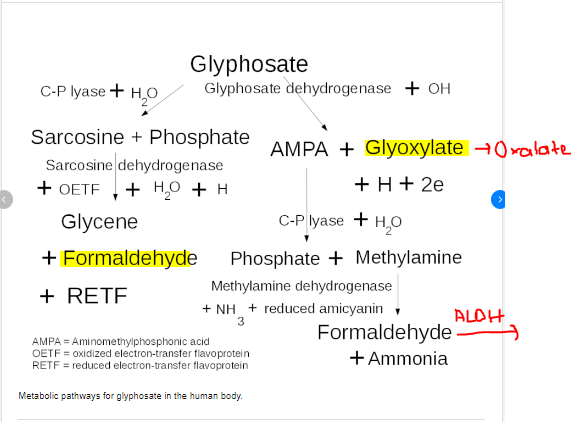
Approximately 3.7% of PEG based laxatives are absorbed. This can be metabolized by the body to glyoxylate and then to oxalate especially in a B6, Thiamine, or Niacin deficient state. This will impair LDH, subsequently lower NAD, and thus impair vitamin A metabolism, but also overall metabolism.  In addition the first two steps of PEG metabolism involve alcohol dehydrogenase and aldehyde dehydrogenase. They are enzymes used in vitamin A metabolism. So Miralax may tie up these enzymes for an unknown period of time. This would be an interesting study in a rat lab.

So many people with Autism take PEG (Miralax). PEG can also cause gut dysbiosis (see below for info on bacterial steal of NAD+) Perhaps many have A2E complexes of the essential ether lipid ethanolamine due to increasing retinal levels (this is a hypothesis). 

PEG with weights greater than 4000 aren’t absorbed (1960 studies), but somewhere along the way a manufacturer changed it out for PEG 3500, probably due to cost, and the researchers felt absorbing 200 ml out of 5400 ml was no big deal.

I propose that 3.7% absorbed of the PEG laxative are causing a big deal. And the unabsorbed product is causing gut dysbiosis.

Ever notice that the label says not for use in children? Also to not use more than a week?

Studies…

https://onlinelibrary.wiley.com/…/3527600035.bpol9012

https://www.gastrojournal.org/…/S0016-5085(17…/fulltext

Solution:

1. Ask your doctor if you can stop Miralax

2. Ask your doctor for alternatives such as magnesium, senna, glycerin suppositories, etc.

This is not written to diagnose or treat a condition, but only for informative purposes. Please consult your doctor before stopping or starting medications or supplements, and before making dietary or lifestyle changes based on the information provided. –  Meredith Arthur, MS, RD, LD 

Melatonin and Mental Decline

I am a dietitian. I am not a doctor. This is not medical advice, but only written to inform. Please consult with your personal health care practitioner before starting or stopping supplements or medications, and before making any changes to your diet.

Simple Sum Up

  • Melatonin is known to help induce sleep
  • It often doesn’t keep us asleep because it is metabolized away in about four hours
  • High dose Melatonin (above 3 mg in children and above 5 mg in adults) is NOT good for the brain
  • Melatonin catabolism uses ADH and ALDH
  • ADH and ALDH are also enzymes that metabolize Vitamin A
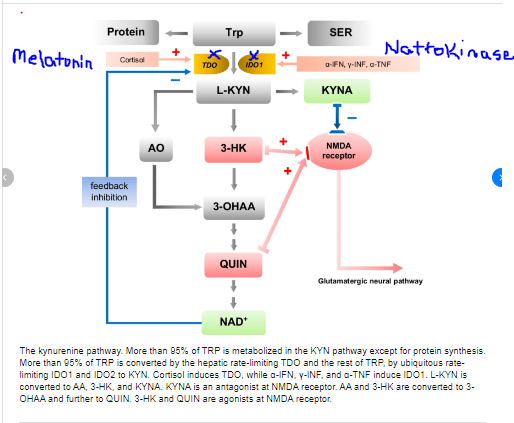
  • Melatonin also inhibits TDO enzyme of the Kynurenine pathway
  • This stops the production of NAD in the liver, kidneys, and brain
  • NAD is a cofactor for the enzymes that metabolize vitamin A
  • High dose Melatonin will cause vitamin A to stay in its retinal/retinol form.
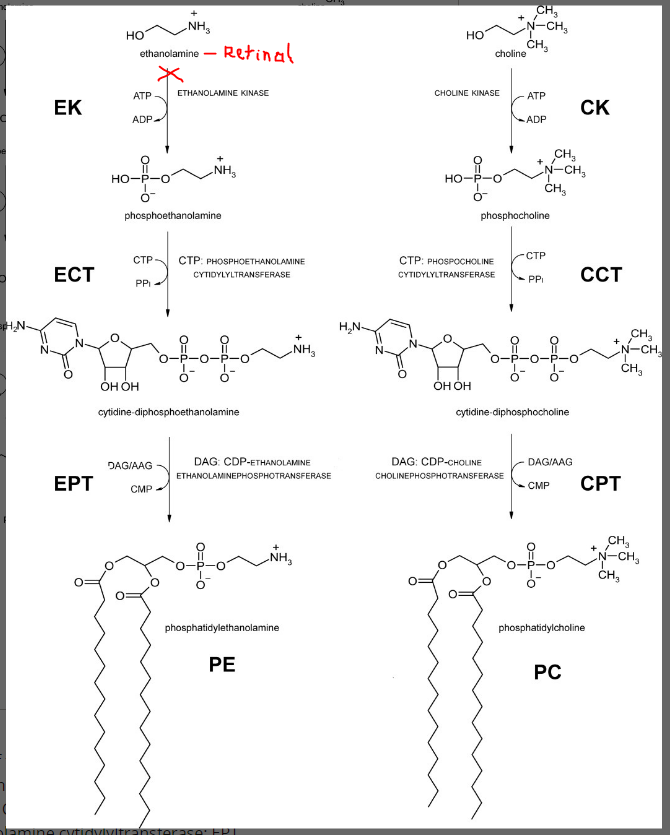
  • Excess retinal in the brain can bind to ethanolamine.
  • Phosphatidyl-ethanolamine is a precursor for choline synthesis.
  • Low choline levels leads to low acetylcholine which is the major neurotransmitter of the gut, brain, and heart (think slow gut, slow brain, slow heart.)
  • Also, when ethanolamine combines with retinal it can form A2E which is a schiffs base. This aggravates microglia cells which causes inflammation in the brain in my opinion. (Is my child drunk and also toxic on retinaldehyde?)

This post could pertain to adults who take more than 5 mg per day or to children taking more than 3 mg per day. Also anyone who doses melatonin multiple times a day, and anyone who has been on oral melatonin for quite some time may be at risk for all discussed below. Monitor yourself for symptoms of melatonin toxicity at the body of this article.

MELATONIN FOR SLEEP?

Melatonin is often prescribed to individuals with autism and intellectual disability because these people often struggle with sleep. In fact, the MBD5 deletion mouse model of Zoey’s genetic syndrome makes less circadian rhythm proteins in general. This leads to a predisposition for, what I like to call, InZomnia. We did give Zoey melatonin on and off for a few months when she was around two years old, but she would also have worse “drunk days” after taking melatonin. She would run into walls, so we stopped this supplement. I’m actually glad we did. We did have to learn how to promote better sleep hygiene in alternative ways. I think if we had kept using melatonin, she would have worse hypervitaminosis A than she does now.

The reason why Zoey was more “drunk” the day after taking melatonin is that high dose Melatonin actually alters NAD levels in the brain and also can compete with enzymes for alcohol and aldehyde metabolism. I will explain further….

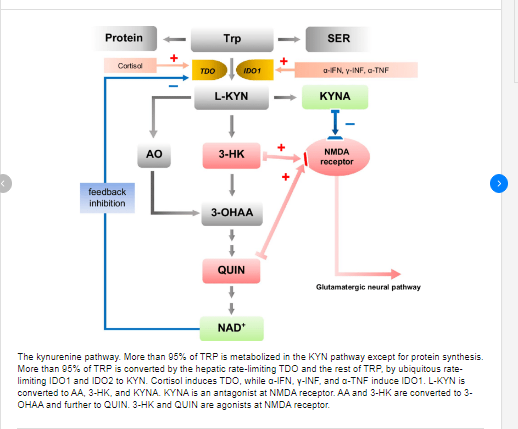
MELATONIN and the KYRURENINE PATHWAY

Figure take from this article and adapted
https://www.researchgate.net/publication/339877327_Antidepressant-like_effects_of_kynurenic_acid_in_a_modified_forced_swim_test

High dose melatonin inhibits the enzyme TDO in the liver, brain, and kidney. This lowers NAD production. I believe this is in a dose dependent manner. The more melatonin given, the more this enzyme is blocked. The more often melatonin is dosed, the lower NAD production will be in these organs. This will cause higher amounts of retinol/retinal in these organs, and low levels of retinoic acid. Low levels of retinoic acid in the brain can alter nerve conduction by altering how many voltage gated calcium channels are open.

MELATONIN NEEDS ADH and ALDH FOR CATABOLISM

In addition, to actually blocking NAD production, melatonin may competitively impair retinol/retinal metabolism. Melatonin is metabolized using the enzymes alcohol dehydrogenase and aldehyde dehydrogenase. These enzymes are also used in vitamin A metabolism. Large doses of melatonin could compete with Vitamin A for metabolism resulting in a retinoic acid deficiency. Again, alterations in retinoic acid levels could contribute to changes in nerve conduction and either slow the brain down or speed it up by altering how many voltage gated calcium channels are open.

In addition, consider that if these enzymes in the brain are metabolizing melatonin, this could lead to higher levels of endogenously produced alcohols and aldehydes in the brain and could be the cause of the “drunk symptoms” that Zoey gets the morning after melatonin.

No photo description available.

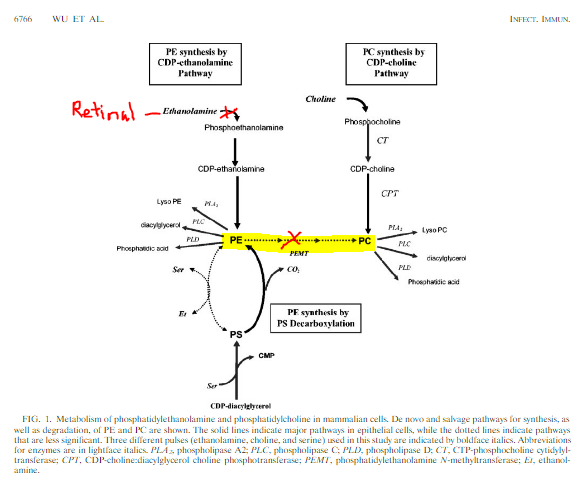
Adapted from ….https://journals.asm.org/doi/10.1128/IAI.72.12.6764-6772.2004

FURTHER CONSEQUENCES OF MELATONIN ALTERING VITAMIN A METABOLISM

The inability to convert retinol to retinoic acid in the liver leads to increased hepatic storage of retinol as retinyl esters which can lead to liver toxicity as well as a further burden on choline as it is needed for the enzyme Lecithin Retinol Acetyltransferase (LRAT) which helps to store vitamin A . (I will post soon about how low levels of retinoic acid in the kidney can cause kidney disease.)

High levels of retinal in the brain can complex with ethanolamine, an amino acid that is typically part of an important ether lipid that provides structure to the brain and helps it move smoothly. You can read more about how retinal and ethanolamine combine to form A2E, a schiffs base which aggravates microgrial cells resulting in brain inflammation and neurodegeneration here.

Adapted from https://iubmb.onlinelibrary.wiley.com/doi/10.1002/iub.337


Phosphatidyl-ethanolamine is actually a precursor choline synthesis as well, so in a round about way, melatonin is actually placing a huge burden on choline needs in the liver and the brain. Melatonin keeps retinal from becoming retinoic acid by altering NAD levels and also tying up ALDH in metabolism. This leads to high levels of retinal which can bind to ethanolamine. Low levels of phosphatidyl ethanolamine makes the body more reliant on dietary choline to produce phosphatidyl choline. More choline will be sequestered into the CPD-choline pathway shown below which means less choline is available for acetylcholine production (again…think slow gut, slow brain, and slow heart.)

https://journals.asm.org/doi/10.1128/IAI.72.12.6764-6772.2004

PROOF THAT MELATONIN ALTERS VITAMIN A METABOLISM?

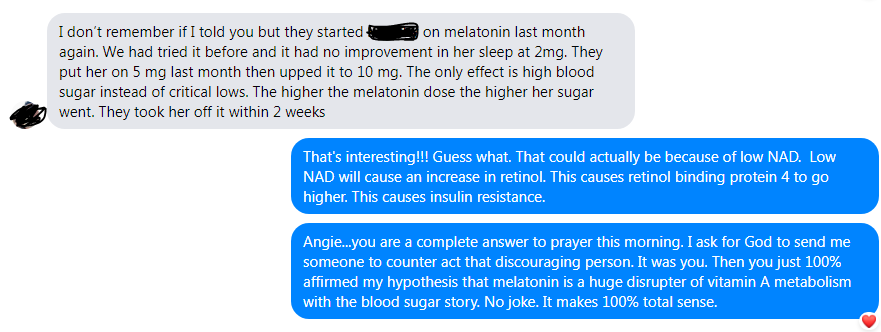
I have a friend in our 2q23.1 (MBD5) deletion support group who share a recent story of starting melatonin for sleep. As she increased her daughter’s dose of melatonin, there was a dose related response in blood glucose levels. As the dose went up, blood glucose levels went up. It is quite possible that as the dose increased, NAD levels decreased to the point that retinol levels increased, and retinoic acid levels decreased. High RBP4 can actually causes insulin resistance which would cause hyperglycemia (https://pubmed.ncbi.nlm.nih.gov/16034410/), and high retinoic acid can cause hypoglycemia (https://pubmed.ncbi.nlm.nih.gov/20032483/).

Here is our conversation….


And here is the conversation she had with different care providers about the high blood glucose from Melatonin.

WHAT IF THE SIDE EFFECTS OF MELATONIN OVERDOSE ARE ACTUALLY SIGNS OF RETINOIC ACID DEFICIENCY?

Alopecia and dermatological manifestations of melatonin overdose could actually be related to retinoic acid deficiency. In addition, when metabolizing large amounts of melatonin, NAD is used which may contribute to low cellular levels of NAD. This can result in impaired energy (ATP) levels leading to the symptoms described in melatonin overdose such as fatigue. This could also cause buildup of lactate resulting in lactic acidosis which would account for the vomiting seen in melatonin overdose.

No photo description available.

https://www.sleepfoundation.org/melatonin/melatonin-overdose

WHAT’S A BETTER SLEEP SOLUTION???

Okay….so not to pull the “my child is more disabled than your child” card here, BUT the mouse model of MBD5 deletion doesn’t make very much circadian rhythm proteins. However, we got Zoey to sleep WITHOUT melatonin! Woohoo! If we can do it and genetics is playing a huge role against us, then you can do it too! How did we do it?

Sleep Hygiene.

  • Dark room
  • Cold room
  • Warm bath before bed
  • No screens (blue light) two hours before bed
  • Verilux happy light (or other light therapy light) in the morning for 30 minutes OR natural sunlight to trigger the timing of melatonin release for 12 hours later.
  • Prayers before bed. <3

Overall I do NOT recommend melatonin supplementation.  The end.

Hypothesis: Low NAD causes B6 Toxicity

This is me…over here…feeling a cold burn which sometimes turns hot in my feet, but also sometimes my whole body. It’s been getting worse after taking a b-complex.

A friend of mine prompted me to research this. We have similar burning sensations! People sharing their burdens leads to good. So share with me.

So…why does supplemental B6 hurt some people but not others? Some people can get B6 toxicity related nerve damage while others can get B6 deficiency nerve damage. I propose that it all depends on the status of your NAD.

adapted from https://www.pedneur.com/article/S0887-8994(17)30124-8/fulltext

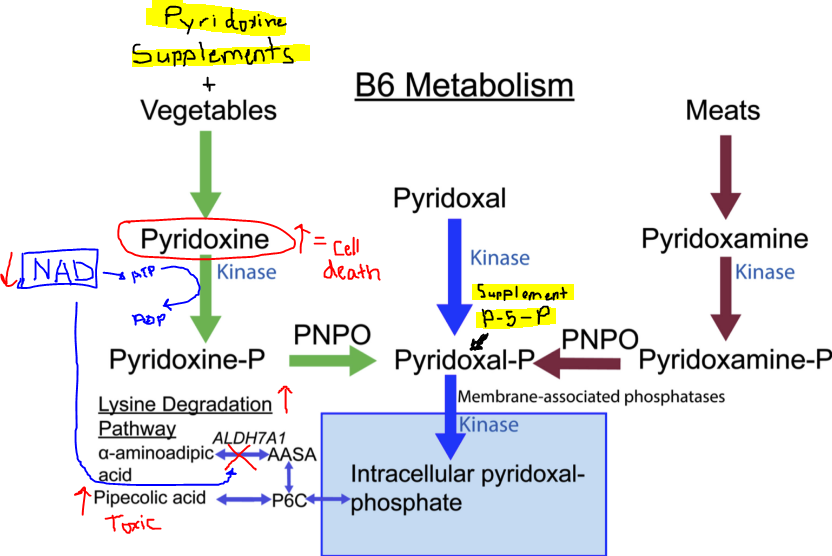
So if you start in a low NAD state, and use high dose B6, it might be problematic. Probably you have to avoid things that lower NAD before starting to supplement with B6 because in a round about way you have to have enough NAD to make ATP in the TCA cycle. ATP is needed to metabolize pyridoxine. Excess pyridoxine is toxic. (1)

To add to the complication, you need some B6 to make NAD! So avoiding B6 all together won’t help.

If your NAD is low, you won’t be able to run the ALDH enzyme in the picture on the bottom left. It could be that inability of B6 to be pushed towards Lysine production results in making a toxic metabolite called Pipecolic acid (2).

Excess pipecolic acid was found in a child with mutations in the ADLH7A1 gene who had seizure disorder. The solution for them was to restrict dietary lysine and supplement with B6 (3) which helped to restore normal levels of pipecolic acid. This was probably because lowering dietary lysine allowed for excess B6 to be shuttled towards Lysine production instead of pipecolic acid production. So interesting!

So, I propose that people with low NAD status are having similar situation. They are high in either unmetabolized pyridoxine from supplements or vegetables. This becomes toxic. OR they are high in pipecolic acid due to impaired NAD levels leading to the inability to convert any form of excess B6 into Lysine.

And I propose that the only way to safely detoxify excessive B6 is through pushing it into the amino acid lysine. To do this you have to not be impairing your NAD levels. So that means….

  • no alcohol
  • no excessive aldehydes from sodas
  • no kombucha
  • no excessive amounts of fermented products
  • definitely don’t have a thiamine deficiency
  • avoid oxalate like the plague
  • don’t supplement with vitamin A (if you aren’t actually deficient) because that also requires NAD for processing

So if someone thinks that they have neuropathy from B6 toxicity maybe a low lysine diet would be beneficial? Here is a website that my friend shared with me. I’m so thankful for him. I haven’t really looked it over yet, because I really like science-ing things out in my brain first before I get opinions from other people. I definitely like input from other people because I’m not a know-it-all, but I always like to wrap my brain around a situation before I start to get input from various sources.https://understandingb6toxicity.com/…/small-fiber…/

Here is a side note…If someone is on hydrocortisone therapy, it can lead to what looks like a B6 deficiency on labs (high lysine, high tryptophan, low glutaric acid), but in actuality the steroid has impaired the Kyneurine pathway of NAD metabolism by inhibiting the enzyme TDO. See a post here regarding that.

What can I do for me and for my clients:

1. Only supplement thiamine at a high dose (and I’m still researching this…check out www.hormonesmatter.com for more info on high dose thiamine).

2. Keep B6 low at the RDA (or at least not at the level in most B-complex supplements). unless I know someone is deficient base on labs and history of B6 depleting medications such as seizure meds or birth control. Then possibly just give small doses but not excessive. ***** Avoiding high levels may be super important in people who can’t give up their NAD lowering habits – oxalate, metformin, alcohol, miralax, melatonin, etc.****

3. I’m NOT going to eat a lysine restricted diet because I don’t have a genetic mutation in ALDH7A1. I won’t make my clients do this either, unless they think they are toxic, because diet restriction of amino acids is too hard. If they do have this genetic mutation, though, I would. OR if they have symptoms of B6 toxicity I might recommend it.

4. Instead, work on sparing NAD because that is potentially what is causing the high pyridoxine or pipecolic acid. Low NAD may actually decrease ALDH7A1 activity. And…get this…people with liver disease have high Pipecolic acid levels. So…low NAD seen in oxalate poisoning and chronic alcohol issues leads to liver disease eventually. (4).

It’s all interconnected. How does vitamin A play into this? Excess retinol and retinal metabolism might deplete NAD in the same way. Once levels are high because of low NAD state, the vitamin A itself becomes a potential way that NAD levels are lowered. A vicious cycle.

There are no perfect solutions in nutrition and metabolism. Only trade offs. Maranatha.

(1) https://pubmed.ncbi.nlm.nih.gov/28716455/

(2) https://www.sciencedirect.com/…/medicine…/pipecolic-acid

(3) https://www.ncbi.nlm.nih.gov/pmc/articles/PMC9448604/

(4) https://aasldpubs.onlinelibrary.wiley.com/…/hep.1840080216

I’m a dietitian. Not a doctor. Talk with your doctor or personal healthcare practitioner before you make any changes to your diet, supplements, medications, or lifestyle. This is only meant to inform, not to treat or diagnose a condition.

NAD disruption and Hydrocortisone Therapy

I wanted to share this article about the effects of hydrocortisone dosing on mood and energy, “Hydrocortisone Affects Fatigue and Physical Functioning Through Metabolism of Tryptophan: A Randomized Controlled Trial” and let you know something I just realized. I feel like this is a very important post because this article proves to me that steroid dependence contributed to my 11 year old’s vitamin A toxicity.

It seems that Vitamin A metabolism is altered by multiple factors. I have clients who have multiple medical issues that are also vitamin A toxic. It has to do with different medications that they take that also impair vitamin A metabolism. These medications include Miralax, Melatonin, H2 receptor antagonist, excess vitamin C, Metformin, and Lasix (see this post). The list continues to get longer and longer. So it seems that vitamin A metabolism is easily altered by many medications, but also diet (oxalate, aldehydes, alcohol). Detoxification of retinoic acid from the body is also altered by many factors (see this post).

SUMMARY – for those who don’t like long winded explanations.

  1. Hydrocortisone (HC) at higher doses has a paradoxical effect on Tryptophan metabolism – This helps with mood and perceived energy
  2. HC at higher doses causes LESS tryptophan to become niacin
  3. Low niacin leads to low NAD
  4. Low NAD leads to low metabolism of vitamin A from retinol and retinal (beta-carotene is a source) to retinoic acid
  5. This means our kids are at risk for vitamin A toxicity
  6. Vitamin A only leaves the body as retinoic acid
  7. They also may appear to be vitamin A deficient due to low retinoic acid
  8. Insufficient HC can also lower niacin (lower NAD) as cortisol controls the enzyme action in the first stage of Tryptophan metabolism.
  9. Overall, kids on HC are at risk for poor vitamin A metabolism from altered NAD levels.
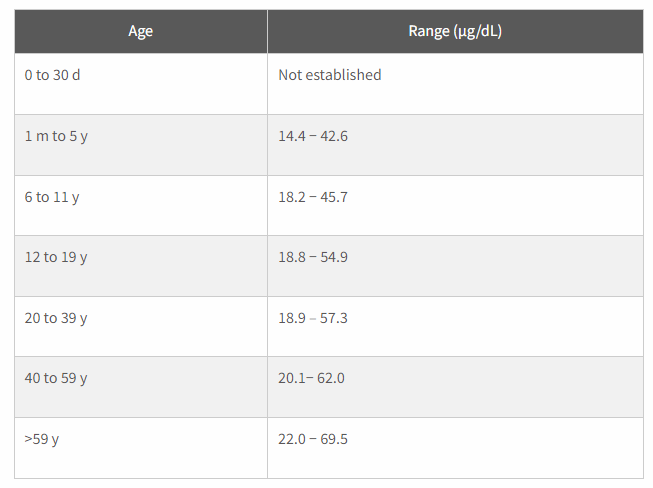
  10. Have serum vitamin A (retinol) checked. There is a screen shot int this post of “normal” values as some labs have ridiculously high levels set.
  11. Even if serum vitamin A levels are “normal” we don’t know how much is in our kiddos livers.
  12. If your child is iron deficient as well, this sets them up for hepatic vitamin A toxicity because iron deficiency prevents the mobilization of vitamin A from storage.
  13. If you are giving a niacin supplement along with HC, and your child is insanely fatigued, it could be that their tryptophan levels are WAY too high because niacin blocks the enzyme that starts the kynurenine pathway, and hydrocortisone, depending on the amount used, could also be blocking this pathway.
NORMAL SERUM VITAMIN A LEVELS BY AGE – LAB CORP. Most literature agrees that vitamin A should not be above approximately 56 ug/dl. Some laboratories set the upper limit for this test as anywhere from 90 to 120 ug/dl. Those values are way too high. https://www.labcorp.com/tests/017509/vitamin-a

Signs of poor metabolism of vitamin A (or retinol/retinal toxicity, but retinoic acid deficiency)

  1. eczema
  2. histamine intolerance
  3. poor wound healing
  4. bleeding gums
  5. nausea
  6. headache
  7. high VLDL and/or LDL
  8. insulin resistance
  9. low platelet count (retinoic acid toxicity)
  10. high platelet count (possible retinol toxicity symptom)
  11. low TSH
  12. high total T4
  13. keratosis pilaris (chicken bump skin)
  14. dry cracked heels
  15. hair loss (male pattern baldness, losing eyebrows)
  16. hypercalciuria

I’m a dietitian and I have been studying vitamin A toxicity and related metabolic pathways. Vitamin A Toxicity can occur in a low NAD state. NAD is a cofactor for enzymes that convert retinol and retinal (beta-carotene come in at retinal), to retinoic acid. NAD contains niacin. Niacin can be a supplement, but we make niacin from the amino acid tryptophan,. Approximately 95% of the Tryptophan in our body is pushed through this pathway to make niacin. The other 5% is typically used to make Serotonin.

That being said, my girls have late onset congenital adrenal hyperplasia. My 17 year old wasn’t diagnosed until 12 years old. She suffered miserably for years from eczema, allergies, and fatigue. She still does unless she “half” stress doses. She has been accused by her doctor of “over medicating”. She says that doing a half stress dose helps so much with everything! Her fatigue, her eczema, her allergies, but she is trying to be obedient to the doctor’s orders.

So, here is what I just figured out. Cortisol turns on the first enzyme in the pathway that pushes tryptophan to Niacin. If Cortisol is too low, then niacin may also be low. Paradoxically, when increasing hydrocortisone, niacin production from tryptophan goes even lower. Both corstisol deficient and over abundance of hydrocortisone can cause low production of NAD. NAD is needed to convert retinol to retinal and then into retinoic acid. When retinol is high, it causes a histamine reaction! ALLERGIES and HIVES! When retinoic acid is low it means skin can’t heal! CHRONIC ECZEMA. When retinoic acid is low, we can’t get Vitamin A out of the body. It only leaves in that form. VITAMIN A TOXICITY!

POSSIBLE HISTORY OF VITAMIN A TOXICITY WITH PROBABLE MAXED OUT LIVER STORES IN MY 17 YEAR OLD WITH NCCAH

My 17 year old was likely vitamin A toxic last year until she started stress dosing all the time because she felt bad. I say I think she was likely vitamin A toxic because her labs showed a low TSH and high retinol in the blood will cause a low TSH. Her TSH is now normal, but she is still feeling tired and fatigued. Her serum vitamin A is 39 (normal value <59 for her age). Last year she became allergic to chocolate and beans. She had to stop eating them. They are high oxalate foods that also can cause low NAD levels (see my blog for details www.weakthereforestrong.com/blog). When she stopped eating these foods, it helped increase her NAD recycling. However, I think she still has overall high vitamin A levels due to her histamine intolerance goes up and down. I think she, at times, mobilizes vitamin A quickly from stores and triggers a histamine release from mast cells. Her skin still looks terrible, too, and she has very thin blood. All signs of vitamin A toxicity.

DEFINITELY VITAMIN A TOXICITY IN MY 11 YEAR OLD WITH NCCAH

However, my 11 year old is vitamin A toxic. I think this Kynurenine pathways is part of the reason why. The other part is because we were accidentally feeding her high oxalate plantain flour. We thought it was low oxalate due to a dietitian handout that was wrong. Oxalate impairs the enzyme lactate dehydrogenase which makes NAD low resulting in vitamin A metabolism slowing down. You can read more about that on this blog, but I just realized that her NCCAH plays a HUGE role in this as well.

So, something else….this past January I was tired of my daughter using steroids to make herself feel better. Her diet is pretty limited because of foods allergies and so I decided to make her take a multivitamin. This contained vitamin A and niacin. She became even more tired and her eczema worsened. She is sleeping all day.

Hydrocortisone in higher amounts improves moved and perceived energy by lowering the Kyn:Trp ratio. This means better mood as tryptophan is made into serotonin, but also could mean lower NAD levels as well leading to poor vitamin A metabolism. This paradoxical effect of hydrocortisone needs to be explored further. I do not think it is due to steroid depletion of B6 as this would actually lead to increases in Kyn metabolites and this study found lower levels of these metabolites in those dosing with higher doses of hydrocortisone.

ORAL NIACIN, GOOD OR BAD FOR KIDS WITH CAH?

Well, when you add Niacin to the body in supplemental form. It inhibits the enzyme TDO. This essentially shuts of Tryptophan conversion to niacin, and remember, 95% of tryptophan in the body goes through this pathway, or it is made into serotonin. I think that what is happening to my daughter is that her serotonin levels are way too high because I blocked tryptophan metabolism into niacin.

Interestingly, though, this study I link to below showed an increase in tryptophan from using more hydrocortisone, which I feel is the opposite of what I would think. This actually worries me even more. This would mean that increasing doses of steroids may lead to even less niacin being made in the body! This means a low NAD state. There may be a paradoxical effect when doses are high versus low.

In any case, I think using oral niacin has pushed my daughter into an extremely high tryptophan state as she has also been stress doing. So, now we are avoiding niacin all together to see if this will help her to be able to push more tryptophan down this pathway and stop her from feeling so exhausted, and also stop her wanting to take mores steroids. I do think half stress dosing is probably worsening her NAD levels though, especially as this study shows that high dose steroids push everything back to tryptophan.

(Another important thing to note is that the supplement Nattokinase blocks the other enzyme IDO1. Taking both Niacin and Nattokinase will alter tryptophan metabolism completely. This may cause serotonin syndrome, especially in someone taking a SSRI)

CHECK KIDS ON HYDROCORTISONE FOR VITAMIN A TOXICITY

Also, I think that our kids should be checked for vitamin A toxicity. NAD is crucial for the metabolism of Retinol, Retinal, and Beta-carotene to retinoic acid. Excessive amounts of retinol in the body can cause histamine intolerance (retinol triggers mast cell histamine release), diabetes (high retinol binding protein 4), and bone loss (high retinol triggers osteoclasts to break down bone quickly leading to hypercalciuria).

High retinal levels can contribute to neurodegenerative disease and macular degeneration through combining with an ether lipid called ethanolamine making A2E. This A2E aggravates microglia cells and could be causing brain inflammation and is known to cause macular degeneration.

Low retinoic acid means poor wound healing, worsening eye sight, and poor growth. Retinoic acid is the only form of vitamin A that can leave the body. So if a person is low on NAD, they will become toxic in vitamin A.

Vitamin A is stored in the liver, until it reaches maximum capacity. After which the body will shuttle vitamin A packaged into cholesterol out of the liver in attempts to store it in adipose tissue. This makes blood cholesterol levels go up. So if your kiddo has high cholesterol, this is likely the cause.

When retinol is high, it can cause insulin resistance which will result in high triglycerides or at minimum a triglyceride:HDL ratio greater than 3.5 on labs which will indicate insulin resistance which will eventually become diabetes.

MONITORING NAD IS IMPORTANT

So it’s important for our kids to have normal NAD levels. This can be altered due to them being steroid dependent. Cortisol induces the production of niacin in the body. Adding a niacin supplement will inhibit this pathway and make them TIRED as heck, at risk for serotonin syndrome, but they may be better metabolizers of vitamin A, if they aren’t impairing their metabolism in other ways (high oxalate foods, melatonin, miralax, etc.) Maybe kids with CAH need to monitor things that lower cellular NAD levels.

Here is a general description of the kynurenine pathway.https://www.researchgate.net/…/The-kynurenine-pathway…

Here is a paper supporting the fact that increasing hydrocortisone decreases fatigue due to altering tryptophan levels via the kyrenurine pathway.https://academic.oup.com/jcem/article/103/9/3411/5047295

I’m a dietitian, not a doctor. This post was written only to inform, and to share, because I seriously care about how our kids feel. Please consult with a physician before making any changes to medications, diet, supplements or lifestyle.

Seizure disorders and Vitamin A metabolism connection?

I’m a dietitian, not a doctor. This is only written to inform and is not intended to diagnose or treat a disease. Please consult with your physician prior to making any changes in medications, diet, or lifestyle.

Calling all seizure experts because I am not one. I’ve let Zoey’s “diffuse cerebral dysfunction with epileptic discharges” be unexplored because our neuro felt she wasn’t having too many epileptic discharges (her current EEG results are pending), and so medication had more risks than benefits since she does have this very slow back ground wave issue.

So, I’m not an expert in seizures, but I have a hypothesis. I propose that Zoey’s slow background waves are from low levels of ethanolamine containing ether lipids due to retinal “stealing” her ethanolamine. So structurally she is compromised pushing her towards a very slow brain.

From a biochemistry stand point, I think she fluctuates between high levels of retinoic acid and low levels of retinoic acid depending on what is going on with her mitochondrial levels of NAD. Overall, she probably has way to much vitamin A in the brain, so that adds to the fun puzzle. At any given point Zoey may have too much retinoic acid causing SLOW brain or too little retinoic acid (lots of retinal to bind ethanolamine) causing FAST brain (epileptic discharges). There are no perfect solutions in nutrition and metabolism; only trade offs.

Brain Dump Notes

  • Voltage gated calcium channels need to be “open” for nerves to conduct- voltage gated calcium channels need to be “closed” for nerves to stop conduction
  • retinoic acid helps to “close” voltage gated calcium channels-
  • if retinoic acid levels are too low in the brain, more voltage gated channels will be “open” leading to rapid firing of nerves (seizure)-
  • if retinoic acid levels are too high in the brain, then too many voltage gated channels will be “closed” leading to a very slow firing of nerves (diffuse cerebral dysfunction)
  • the fluctuation of retinoic acid in the brain is dependent on the enzymes ADH and ALDH as well as NAD levels- alcohol can directly tie up ADH and ALDH which would lower retinoic acid.
  • Alcoholics sometimes have seizures. Also, too many aldehydes in the diet could cause similar issues (people with histamine issues could be at risk as they are sensitive to acetylaldehydes which I think is really just a sign of low NAD or mitochondrial dysfunction)
  • a pathogenic gut microbiome can steal NAD leading to low NAD which would mean low retinoic acid levels. Low retinoic acid levels will mean more calcium channels are “open” causing seizures or possibly epileptic discharges on top of slow brain waves from low ether lipid status.
  • low NAD levels in the brain will cause low retinoic acid, but high retinal levels.
  • This causes retinal to steal ethanolamine lipids leading to A2E shift which causes microglia cells to attack and causes brain inflammation and nuerodegeneration.

Ummm….retinoic acid metabolism in the brain is apparently crucial for normal brain function. – This highlighted part of a journal that I’m reading about voltage gated calcium channels is interesting. We are still not sure what truly regulates the brain. Maybe NAD and vitamin A are part of this?

May be an image of text

https://www.ncbi.nlm.nih.gov/books/NBK98147/https://pubmed.ncbi.nlm.nih.gov/29748133/


God, our Father, didn’t make plants poisonous!

I have been longing for the tree of life that is in the book of Revelation. It has fruit each month, 12 different kinds, and the leaves are for the healing of the nation. I’m sure they are low oxalate!

I think I figured out why the 1980-ish study found that plantain had only 1 mg of oxalate, but new data is closer to 524 mg of oxalate. It is the increased use of glyphosate. Glyphosate is not just on our fruits and vegetables that aren’t organic. It is in the soil. It can stay in the soil for many years, but decreases as plants suck it up through their root systems. Then the plants metabolize the glyphosate to….oxalate!!! They aren’t naturally poisonous. They are trying to protect themselves from glyphosate. We also metabolize glyphosate that we consume to oxalate! There are some bacteria that can eat oxalate, but most people do not have this healthy oxalobacter formenges. Maybe it died off with glyphosate increases? I think so.

In my opinion, So our heavenly Father didn’t intent for us to have this poison in our foods. I do know of one lab, Unlocked Labs, who is working on turning on genes in bacteria so that they eat oxalate. That’s interesting. I sent them the hypothesis about NAD dependent vitamin A metabolism and how oxalate is inhibiting NAD recycling. We shall see how that goes.

This is the metabolism of glyphosate in the human body. The body can make two products that cause damage to vitamin A metabolism. Oxalate and Formaldehyde. Oxalate impairs LDH causing decrease in NAD needed for retinol and retinal metabolism to retinoic acid. Formaldehyde puts burden on Aldehyde dehydrogenase that is needed for retinal to retinoic acid conversion.

https://www.researchgate.net/publication/299532136_Evidence_that_glyphosate_is_a_causative_agent_in_chronic_sub-clinical_metabolic_acidosis_and_mitochondrial_dysfunction


Water quality matters. This is shows that hard water (water treated with chemicals and minerals such as the water that we get from the city) will cause glyphosate to remain metabolized for many years. Normal water will result in glyphosate breaking down into metabolites that can still harm people if they are B6 or Thiamine deficienct, but it will degrade faster and not persist in the environment.

source: http://www.mdpi.com/1660-4601/11/2/2125

There’s so much more research on this persistent poison, but I think I will stop here and make some recommendations.

  1. Avoid the dirty dozen (EWG is a good place to start)
  2. Avoid wheat, corn, oats, and soy if not organic
  3. Realize that the oxalate in plants is higher now likely due to the fact that glyphosate is so abundant in our soil and water supply
  4. Forgive the dietitian who made the bad handout for not realizing this, but send her this blog.

Vitamin A Detox…start here! Don’t forget about detox pathways.

This is a quick hypothesis on the need to correct the ability to catabolize retinoic acid (final irreversible product of vitamin A metabolism). This hypothesis is not intended to diagnose, treat, or cure a disease. It is only written for to inform. Please consult with your personal healthcare practitioner before making any changes. I am not a doctor. I am dietitian with a quirky set of skills. – Meredith Arthur, MS, RD, LD

Retinoic acid (RA) has to be catabolized and removed from the body or levels may go to high. Some symptoms that I contribute to high retinoic acid include, nausea, peeling skin, burning sensation of the skin, headaches, fatigue,

This breakdown of RA requires CYP26. There are no known inhibitors of CYP26…yet…but it does require NADPH. This can be made from NAD. In a low NAD state, you won’t have enough NADPH to be able to metabolize retinoic acid. As you work on changing habits that decrease NAD, this NADPH should improve, BUT there is a chance that you are over using all cytochrome P450 enzymes resulting in a burden on NADPH. This could lead to increased levels of RA. High RA can poison a person (think Accutane poisoning). So, I’m working on figuring out how to maximize this NADPH dependent removal of RA.

After it is metabolized by CYP26, the products of RA must go through the glucuronide pathway. There are many substrates that use this pathway. Stevia is one of them. All stevia glycosides are detoxified by this pathway. Monk fruit is also a glycoside, and so uses glucuronidation to be removed from the body. Many drugs use this pathway. So this is another possible inhibitor of properly removing retinoic acid from the body.

There is a vitamin A toxicity group on facebook that has some good information about maximizing these pathways. As I explore this more, I will add what I think is valuable information to this post. So far, these are the most important changes to make to diet (consult your healthcare provider before making changes):

  • increase egg yolks to four per day (Andrew Baird from the Vitamin A toxicity group recommends going slow with eggs and starting with one per day https://www.facebook.com/groups/3033243886748451/)
  • decrease sweeteners such as monk fruit and stevia
  • work on daily bowel movements, but not with Miralax. Magnesium bicarbonate may help as the bicarbonate also triggers mesothelial cells to make acetycholine independent of vagus nerve stimulation. Acetycholine is the major neurotransmitter of the gastrointestinal tract. I used to use Magnesium citrate with Zoey, but just yesterday one of my “treasures in heaven clients”, Meagan, told me she makes magnesium bicarbonate to increase magnesium levels. Well, I said, “You also just helped your GI tract move.” We learned from each other. Life is a team effort and God brings people together for the good of each other.
  • consider Taurine supplement to help with bile acid production
  • avoid glyphosate as this overloads cytochrome P450 and ties up NADPH in detoxifying it (Go Organic. Avoid non-organic wheat, soy, oats, corn. ) Check out EWG dirty dozen. https://www.ewg.org/foodnews/dirty-dozen.php
  • consider supplementation with calcium-D glucurate to support glucuronidation pathway (Thanks, Oskar for piping in on the Vitamin A toxicity group.)
  • DO NOT consider inositol to support the pentose phosphate shunt pathway that helps to make NADPH. I will make a post soon on why you should avoid inositol supplements in detail. However, to give a short explanation, inositol can impair the production of cardiolipin by posttranscriptional inhibition of enzymes in this pathway. I believe this production is already impaired by retinaldehyde accumulation that complexes with ethanolamine leading to A2E formation (lipofuscin). This decreases the availability of CDP diacylglycerol which is a precursor for cardiolipin. When cardiolipin levels decrease in the mitochondrial membrane, this can cause oxidative stress and cell death. Having high vitamin A status alone can cause this process by stealing a source of CDP diacylglycerol needed for cardiolipin production, but adding in inositol can completely inhibit this pathway. In fact, A2E accumulation in the eye actually causes damaged to cytochrome C oxidase leading to oxidative stress. Again…longer post coming soon.

source for MgHCO3 recipe https://wellnessmama.com/health/magnesium-bicarbonate/

Meagan recommends checking on Musclesandmotherhood on instagram for recipes and info about MgHCO3 https://www.instagram.com/_musclesandmotherhood/

This post was reviewed by Jenny Jones, PhD, human molecular genetics. I want to make sure that whatever I share with you has at least two critically thinking minds working on a problem. <3

The long list of vitamin A metabolism killers.

This is not written to diagnose or treat a condition, but only for informative purposes. Please consult your doctor before stopping or starting medications or supplements, and before making dietary or lifestyle changes based on the information provided. –  Meredith Arthur, MS, RD, LD 

Now for the various ways that we can alter Vitamin A Metabolism…….

  • Oxalate
  • vitamin C (excess from supplements)
  • Glycine
  • Miralax or other PEG products
  • Thiamine deficiency
  • B6 deficiency
  • Iron deficiency
  • Zinc deficiency
  • H2 Receptor antagonists
  • High dose melatonin
  • Gut dysbiosis
  • Acetaldehyde (and alcohol)

Under each section there is a mechanism of action, followed by a possible solution. Of course, talk with your health care provider before making any changes.

OXALATE from plants or made from VITAMIN C or GLYCINE or Miralax (PEG) in the body can impair Vitamin A metabolism

Oxalate is a component of plants that is impossible for the body to completely break down. It is a poison.  We absorb it at variable rates, but some of us make it in our bodies from vitamin C and glycine.  Excess vitamin C becomes oxalate through direct breakdown and without enzymes. Usually this occurs in vitamin C over 2000 mg, but it can happen at lower doses as well. Never take vitamin C to “bowel tolerance” as this is likely actually death of the intestinal cells due to oxalate poisoning.  Glycine is metabolized to oxalate in a B6 and thiamine deficient state, but when there is adequate B6 and Thiamine, it does not become oxalate.

When oxalate is high it impairs an enzyme called Lactate Dehydrogenase (LDH).  We have to make some lactate to keep energy metabolism going. When the body is producing lactate, it also produces NAD+ which is what drives vitamin A (retinol and retinal) metabolism forward. What I found through a deep dive into literature is that Oxalate doesn’t directly inhibit alcohol dehydrogenase or retinol dehydrogenase or aldehyde dehydrogenase which was what I was searching for.  Oxalate actually impairs lactate dehydrogenase (LDH) which lower NAD+ levels.  I hypothesize that oxalate takes away the “energy” needed to drive those reactions forward by impairing LDH. 

LDH is actually the last enzyme involved in the formation of oxalates. I believe that oxalate being able to have a feedback inhibition on LDH is a safety mechanism built into our human biology, but that it backfires and wreaks metabolic havoc on vitamin A metabolism and also energy metabolism.

Oxalate impairs LDH activity via NAD pathway

https://pubmed.ncbi.nlm.nih.gov/14646967/

https://www.ncbi.nlm.nih.gov/pmc/articles/PMC473141/

https://www.sciencedirect.com/science/article/abs/pii/0009898168903768?via%3Dihub= 

Oxalate Pathogenic In Autism (Perhaps this is the connection! If oxalate impairs LDH, resulting in low NAD, then retinal levels increase. These complex with ethanolamine causing A2E and microglial activation resulting in neurological decline.)

https://pubmed.ncbi.nlm.nih.gov/21911305/


Lactate and pyruvate act as redox buffer to balance NADH/NAD

https://www.ncbi.nlm.nih.gov/pmc/articles/PMC7983055/

Jenny Jones, PhD, pointed the article below out to me as supporting evidence for the connection between need for normal LDH reaction to restore NAD levels.

https://www.ncbi.nlm.nih.gov/pmc/articles/PMC4869616/

The article bleow is an excellent article! This gives the big picture of NAD production, recycling, and salvage pathways. Amazing! LDH, which is inhibited by oxalate, plays a pivotal role in NAD recycling.

NAD+ metabolism: pathophysiologic mechanisms and therapeutic potential

https://www.nature.com/articles/s41392-020-00311-7

Solutions:

1. Low oxalate diet 

2. Avoid excess  vitamin C in excess (variable per person, but most kids don’t need more than 500 mg per day)

3. Ensure adequate levels of B6 and thiamine  (Seizure meds tend to deplete B6 – ask doctor about 50 mg of P5P, active form of B6) – ask doctor before starting supplements CAUTION – B6 in a low NAD state may be toxic.

4. Avoid glycine supplements and also collagen powders as these are high in glycine

MIRALAX can become OXALATE and also can tie up alcohol dehydrogenase and aldehyde dehydrogenase that are needed for Vitamin A metabolism

Approximately 3.7% of PEG based laxatives are absorbed. This can be metabolized by the body to glyoxylate and then to oxalate especially in a B6, Thiamine, or Niacin deficient state. This will impair LDH, subsequently lower NAD, and thus impair vitamin A metabolism, but also overall metabolism.  In addition the first two steps of PEG metabolism involve alcohol dehydrogenase and aldehyde dehydrogenase. They are enzymes used in vitamin A metabolism. So Miralax may tie up these enzymes for an unknown period of time. This would be an interesting study in a rat lab.

So many people with Autism take PEG (Miralax). PEG can also cause gut dysbiosis (see below for info on bacterial steal of NAD+) Perhaps many have A2E complexes of the essential ether lipid ethanolamine due to increasing retinal levels (this is a hypothesis). 

PEG with weights greater than 4000 aren’t absorbed (1960 studies), but somewhere along the way a manufacturer changed it out for PEG 3500, probably due to cost, and the researchers felt absorbing 200 ml out of 5400 ml was no big deal.

I propose that 3.7% absorbed of the PEG laxative are causing a big deal. And the unabsorbed product is causing gut dysbiosis.

Ever notice that the label says not for use in children? Also to not use more than a week?

Studies…

https://onlinelibrary.wiley.com/…/3527600035.bpol9012

https://www.gastrojournal.org/…/S0016-5085(17…/fulltext

Solution:

1. Ask your doctor if you can stop Miralax

2. Ask your doctor for alternatives such as magnesium, senna, glycerin suppositories, etc.

B6 DEFICIENCY

B6 deficiency can cause increased production of oxalate from the amino acid glycine.  Also, thiamine is needed to activate B6 into pyridoxal-5-phosphate.  In addition, B6 and thiamine deficiency can prevent the production of NAD from tryptophan.   High losses of B6 can occur when oxalate clearing through the kidneys is high.  B6 is also depleted by birth control. Many seizure medicines deplete B6. 

Solution:

– Ask physician about taking P-5-P. (However, I believe at this time that supplementing P-5-P in a NAD deficient state due to alterations in dietary factors that prevent NAD recycling can cause B6 to become toxic. See this post for that hypothesis. CAUTION – B6 in a low NAD state may be toxic.

– Ask physician about thiamine supplementation

– Avoid glycine supplements or collagen powders which are high in glycine

Graphic source: https://www.researchgate.net/figure/The-OADHC-dependent-pathways-of-the-lysine-and-tryptophan-catabolism-interacting-with_fig6_339050266

THIAMINE DEFICIENCY

Thiamine is needed to activate B6 to its P5P form. Thiamine is also needed to help pyruvate become lactate, which leads to adequate levels of NAD+. Thiamine deficiency can be caused by drinking too much coffee, tea, or caffeinated soda. It can also be depleted by the drugs lasix and metformin. 

Solution:

– Talk with your doctor about thiamine supplementation (there are four forms, thiamine HCL, thiamine mononitrate,  benfotiamine, and TTFD)

– Stop drinking so much caffeine! 

– do not stop a medication without talking with your doctor

ZINC DEFICIENCY

Zinc is needed to metabolize vitamin A into retinoic acid.  However, excess dietary zinc can cause a copper deficiency which can cause microcytic anemia and also neurological damage.  Excess iron supplementation can cause zinc deficiency, so if you are on iron, then Zinc deficiency is possible.

Solution:

1. Ask your doctor to check ceruloplasmin and plasma zinc levels to evaluation zinc and copper

2. Ask your doctor about starting a Zinc:Copper Balance supplement.  It should be about 10 to 15 mg of Zinc to every 1 mg of copper.  THe amount of zinc and copper you need may need to be adjusted.

IRON DEFICIENCY

Iron deficiency impairs the mobilization of vitamin A from the liver. This can lead to a functional vitamin A deficiency, and excessive liver stores of vitamin A. The functional vitamin A deficiency worsens iron deficiency because retinoic acid, active vitamin A, down regulates the production of hepcidin by the liver, but also adipose tissues. Hepcidin increases. Hepcidin essentially locks iron into the cells of the intestine or liver so it can impair iron absorption, but also can lead to iron toxicity in the liver. (Never blindly supplement iron. Always ask for iron studies.)

Once liver capacity for vitamin A is reached, the body will increase cholesterol production in efforts to send vitamin A to fat cells for storage. If there is not enough choline to make cholesterol, fat will accumulate in the liver causing fatty liver disease. This can occur with or without iron deficiency. There are many other factors that contribute to poor vitamin A metabolism beyond iron deficiency.

Also, iron deficiency causes slowing of TCA cycle and build up of citrate which becomes a building block for triglyceride production. Less energy is also produced from food eaten because of this slowing of the TCA cycle that makes ATP in the body. 

Sometimes iron deficiency that isn’t responding to iron supplementation is actually copper deficiency.  If you have been on iron a long time, you should have your copper levels checked (ceruloplasmin) due to high dose iron supplements impair copper absorption.  Once copper is low, then iron can’t be absorbed. 

Vitamin A can’t be mobilized during iron deficient state

https://www.ncbi.nlm.nih.gov/pmc/articles/PMC7330461/

Retinoic acid (active form of vitamin A) is needed to regulate hepcidin (hormone that blocks iron absorption)

https://pubmed.ncbi.nlm.nih.gov/30446224/

Solution:

– Ask doctor to check iron studies (ferritin, transferrin, TIBC, % iron saturation)

– If iron deficiency is found, then don’t dose iron every day. This will increase hepcidin levels and because retinoic acid is low, hepcidin won’t be regulated well and iron deficiency will worsen.

– Instead ask your physician about low dose iron supplementation such as 40 mg of iron bis-glycinate every other day in the morning. Dosing in this manner will not increase hepcidin as much.  This iron can also be paired with vitamin C (but not more than 250 mg) to enhance absorption.

H2 RECEPTOR ANTAGONISTS (Pepcid, Famotidine, Zantac, ranitidine, Tagement, cimetidine, Axid, nixatidine, Duo fusion

H2 receptor antagonists have been shown to impair the conversion of retinol to retinoic acid by altering NAD+ levels in cells.  One of these studies said that famotidine didn’t cause this, but another study did, and so I don’t feel comfortable with famotidine (Pepcid).  Also these medications can cause iron and copper deficiency leading to iron deficiency which worsens vitamin A mobilization from the liver. 

https://pubmed.ncbi.nlm.nih.gov/14646967/

https://pubmed.ncbi.nlm.nih.gov/11410737/

Solution:

1. Wean off of H2 receptor antagonist if possible with your doctors permission

2. Possibly change to a proton pump inhibitor (although these still can cause iron and copper deficiency) **** Proton pump inhibitors actually increase ALDH enzyme activity and can lead to a rapid conversion of retinal to retinoic acid. This is something to consider if you are vitamin A toxic and have very poor detoxification pathways. This could cause retinoic acid poisoning. Symptoms would be peeling skin, blisters, headache, and nausea.**** https://www.ncbi.nlm.nih.gov/pmc/articles/PMC9290858/

HIGH DOSE MELATONIN impairs Vitamin A metabolism

(This could pertain to individuals who take more than 5 mg per day. Also anyone who doses melatonin multiple times a day. Monitor yourself for symptoms of overdose such as headache, hypotension, hypertension, drowsiness, vomiting, alopecia.)

Melatonin overdosing is another possible mechanism by which vitamin A metabolism can be impaired. Melatonin is metabolized in the Kynuric pathway which uses the enzymes alcohol dehydrogenase and aldehyde dehydrogenase. These enzymes are also used in vitamin A metabolism.  Large doses of melatonin could compete with Vitamin A for metabolism resulting in a retinoic acid deficiency. Alopecia and dermatological manifestations of melatonin overdose could actually be related to retinoic acid deficiency.

In addition, when metabolizing large amounts of melatonin, NAD is used which may contribute to low cellular levels of NAD. This can result in impaired energy (ATP) levels leading to the symptoms described in melatonin overdose such as fatigue.  This could also cause buildup of lactate resulting in lactic acidosis which would account for the vomiting seen in melatonin overdose.  

https://www.sleepfoundation.org/melatonin/melatonin-overdose

Solution: Don’t go over 3 mg of Melatonin per day for kids.  Work with a sleep psychologist on sleep hygiene. 

GUT DYSBIOSIS impairs Vitamin A metabolism

Another possible mechanism by which vitamin A metabolism can be altered is when NAD levels are low due to gut dysbiosis. It is possible for pathogenic bacteria to “steal” the NAD that is needed to metabolize vitamin A. 

Bacteria steal NAD

https://pubmed.ncbi.nlm.nih.gov/34223888/

Solution:  Start a probiotic. Preferably a well researched probiotic such as MegaSporeBiotic. I’m working with microbiome labs (MegaSporeBiotic). They know that their product lowers a toxin that is produced by bad bacteria and so it should lower NAD+ steal. It is clinically proven. However, Kara, one of their dietitians, is going to help me research other bacteria strains that they know don’t steal NAD. 

FERMENTED FOODS CAN IMPAIR VITAMIN A METABOLISM

Fermented foods, tea, soda, and coffee contain acetaldehyde.  Acetaldehyde metabolism uses up NAD+ resulting in less NAD+ available in the conversion of retinol and retinol to retinoic acid.  It also uses alcohol dehydrogenase and aldehyde dehydrogenase that are needed for Vitamin A metabolism.  Fermented food: Kefir, Kombucha, sauerkraut, yogurt, etc.   

Alcohol actually causes the same problem. It uses up NAD+ and also ties up enzymes so that less vitamin A is metabolized to retinoic acid. 

Interestingly, foods high in acetaldehyde are avoided on a low histamine diet because they tend to “release” histamine. Perhaps this is because retinol triggers mast cells to release histamine.

https://www.sciencedirect.com/…/abs/pii/0014482768903595

https://keio.pure.elsevier.com/…/nicotinamide-adenine…

Solution:

1. Avoid these beverages and foods if you know vitamin A is not being metabolized

  • Tea
  • Coffee
  • Soft Drinks
  • Kombucha
  • Yogurt
  • Vinegar
  • Fish products such as fish sauce
  • Fermented mushrooms
  • Fermented soy products
  • Pickled vegetables
  • Canned vegetables
  • Kimchi