This post is a work in progress! I actually hope to have a research lab that I know who is very interested in sleep disorders to help me out here.
What if sleep disorders are just impaired vitamin A metabolism?I constantly hear this from clients and patients, “When I eat “x” I can’t sleep.”
Zoey’s no sleep foods include: chocolate, beans, and french fries. These are all high oxalate foods. Oxalate is a potent inhibitor of LDH which lowers NAD recycling. Low NAD will prevent vitamin A metabolism to retinoic acid which is the “active” form of vitamin A in the body.
Luckily, Zoey never had plantain flour after noon. By the way, plantain flour is not low oxalate and this is what led to her current vitamin A toxicity issues. You can read the short story here, or for the long version you can head to
I am now convinced that we are cycling between retinol/retinal and retinoic acid throughout the day in various organs. I think that people who stay in a high retinol/retinal state have a risk of vitamin A toxicity.
If people have low NAD habits, they will have a high risk of toxicity, but even without toxicity, low NAD habits can lead to physiological low levels of retinoic acid in various organs.
I think we who are NAD compromised must compartmentalize. People with mitochondrial disorders definitely compartmentalize. They can’t have healthy skin AND sleep. They can’t have a normal immune system AND sleep. Then, when NAD is really low they can’t have any of these because there is no more retinoic acid to compartmentalize with.
Well, retinoic acid is a ligand for Retinoic Acid Related Orphan Receptors that code for many proteins that have various functions in the body including making circadian rhythm proteins. In a low NAD state we aren’t making retinoic acid in sufficient amounts. I see this with my own daughter and also with my clients. They have all the signs of vitamin A deficiency, but are actually vitamin A sufficient and many have hypervitaminosis A due to being in a low NAD state too long.
Circadian Rhythm Proteins!!! Zoey’s mouse model of MBD5 makes very low amounts of these. If you add in a functional vitamin A deficiency, retinoic acid deficiency, then….BAM…no sleep.
What if InZomnia (my nickname for Zoey’s sleep habits when they are disrupted) is actually poor retinoic acid production? I think it is.
How to win back sleep! The Solution?
First, if you aren’t vitamin A toxic, I would avoid high oxalate foods after 2PM daily.
If you are vitamin A toxic, you could still avoid high oxalate foods after 2PM daily, but be aware that you must fix your detox pathways before you start to mobilize more retinol/retinal to retinoic acid. Going low oxalate before you are able to detox high amounts of retinoic acid could be problematic. Read here for more information on this.
Getting 30 minutes of morning sunlight every morning without sunglasses to set the clock for triggering melatonin release. Melatonin isn’t the only circadian rhythm protein, but it is a big one. Avoid melatonin supplements. This impair vitamin A by lowering NAD+ and also using up NAD plus in metabolism. You can read more about that here.
Alternatively you can purchase a therapy light. I have a Verilux Happy Light that we use in our home.
Avoid blue light two hours before bed. You can buy glasses with blue blockers, or put your device in nighttime mode to decrease blue light.
Make your room COLD. It makes us want to stay under the covers. I’m sure it helps in other ways, but I haven’t researched this yet. Feel free to comment if you know more about this.
Establish a soothing bedtime routine. Perhaps a bath, a non-electronic book, and prayer, to get you in the sleepy mood you need to be in.
EGGS for sleep????
Eggs will help with sleep because a metabolite of cholesterol can be a ligand for ROR. Eggs are a good source of cholesterol. However, they also do contain vitamin A…that’s a whole controversy in the vitamin A detox world. The benefits of eggs, in my opinion, outweigh the risk. Eggs are a good source of phosphatidyl choline which is needed for the very last phase of liver detoxification when drug metabolites (and vitamin A metabolites) are excreted into bile for removal from the body. At the same time that bile salt is excreted, phosphatidyl choline also leaves the liver cells. Hypervitaminosis A places a huge burden on phosphatidyl choline needs and over medication can do this as well. We can add to that the need to metabolize environmental toxins, and it is easy to see that phosphatidyl choline is an under-rated nutrient.
Also, statins would be bad here because they lower cholesterol production. No amount of coenzyme Q10 restoration is going to replace the metabolites of cholesterol that are needed as ROR ligands. These effects could go beyond just sleep proteins as you can see in this article.
So…that’s about it. Good night, sleep tight, don’t let the NAD bugs bite!
This is not written to diagnose or treat a condition, but only for informative purposes. Please consult your doctor before stopping or starting medications or supplements, and before making dietary or lifestyle changes based on the information provided. – Meredith Arthur, MS, RD, LD
OXALATE from plants or made from VITAMIN C or GLYCINE or Miralax (PEG) in the body can impair Vitamin A metabolism
Oxalate is a component of plants that is impossible for the body to completely break down. It is a poison. We absorb it at variable rates, but some of us make it in our bodies from vitamin C and glycine. Excess vitamin C becomes oxalate through direct breakdown and without enzymes. Usually this occurs in vitamin C over 2000 mg, but it can happen at lower doses as well. Never take vitamin C to “bowel tolerance” as this is likely actually death of the intestinal cells due to oxalate poisoning. Glycine is metabolized to oxalate in a B6 and thiamine deficient state, but when there is adequate B6 and Thiamine, it does not become oxalate.
When oxalate is high it impairs an enzyme called Lactate Dehydrogenase (LDH). We have to make some lactate to keep energy metabolism going. When the body is producing lactate, it also produces NAD+ which is what drives vitamin A (retinol and retinal) metabolism forward. What I found through a deep dive into literature is that Oxalate doesn’t directly inhibit alcohol dehydrogenase or retinol dehydrogenase or aldehyde dehydrogenase which was what I was searching for. Oxalate actually impairs lactate dehydrogenase (LDH) which lower NAD+ levels. I hypothesize that oxalate takes away the “energy” needed to drive those reactions forward by impairing LDH.
LDH is actually the last enzyme involved in the formation of oxalates. I believe that oxalate being able to have a feedback inhibition on LDH is a safety mechanism built into our human biology, but that it backfires and wreaks metabolic havoc on vitamin A metabolism and also energy metabolism.
Oxalate impairs LDH activity via NAD dependent pathway
Oxalate Pathogenic In Autism (Perhaps this is the connection! If oxalate impairs LDH, resulting in low NAD, then retinal levels increase. These complex with ethanolamine causing A2E and microglial activation resulting in neurological decline. Read this post for more information.)
Jenny Jones, PhD, pointed the article below out to me as supporting evidence for the connection between need for normal LDH reaction to restore NAD levels. She is the oracle to my batman!
The article bleow is an excellent article! This gives the big picture of NAD production, recycling, and salvage pathways. Amazing! LDH, which is inhibited by oxalate, plays a pivotal role in NAD recycling.
NAD+ metabolism: pathophysiologic mechanisms and therapeutic potential
2. Avoid excess vitamin C in excess (variable per person, but most kids don’t need more than 500 mg per day)
3. Ensure adequate levels of B6 and thiamine (Seizure meds tend to deplete B6 – ask doctor about 50 mg of P5P, active form of B6) – ask doctor before starting supplements – CAUTION!!! I believe that supplementation of any form of B6 in a low NAD state will cause B6 toxicity. Read this post for that hypothesis.
4. Avoid glycine supplements and also collagen powders as these are high in glycine
5. Avoid Miralax or any PEG product (macrogol is another name for PEG) – see below
MIRALAX can become OXALATE and also can tie up alcohol dehydrogenase and dehydrogenase that are needed for Vitamin A metabolism
Approximately 3.7% of PEG based laxatives are absorbed. This can be metabolized by the body to glyoxylate and then to oxalate especially in a B6, Thiamine, or Niacin deficient state. This will impair LDH, subsequently lower NAD, and thus impair vitamin A metabolism, but also overall metabolism. In addition the first two steps of PEG metabolism involve alcohol dehydrogenase and aldehyde dehydrogenase. They are enzymes used in vitamin A metabolism. So Miralax may tie up these enzymes for an unknown period of time. This would be an interesting study in a rat lab.
So many people with Autism take PEG (Miralax). PEG can also cause gut dysbiosis (see below for info on bacterial steal of NAD+) Perhaps many have A2E complexes of the essential ether lipid ethanolamine due to increasing retinal levels (this is a hypothesis).
PEG with weights greater than 4000 aren’t absorbed (1960 studies), but somewhere along the way a manufacturer changed it out for PEG 3500, probably due to cost, and the researchers felt absorbing 200 ml out of 5400 ml was no big deal.
I propose that 3.7% absorbed of the PEG laxative are causing a big deal. And the unabsorbed product is causing gut dysbiosis.
Ever notice that the label says not for use in children? Also to not use more than a week?
2. Ask your doctor for alternatives such as magnesium, senna, glycerin suppositories, etc.
This is not written to diagnose or treat a condition, but only for informative purposes. Please consult your doctor before stopping or starting medications or supplements, and before making dietary or lifestyle changes based on the information provided. – Meredith Arthur, MS, RD, LD
I am a dietitian. I am not a doctor. This is not medical advice, but only written to inform. Please consult with your personal health care practitioner before starting or stopping supplements or medications, and before making any changes to your diet.
Simple Sum Up
Melatonin is known to help induce sleep
It often doesn’t keep us asleep because it is metabolized away in about four hours
High dose Melatonin (above 3 mg in children and above 5 mg in adults) is NOT good for the brain
Melatonin catabolism uses ADH and ALDH
ADH and ALDH are also enzymes that metabolize Vitamin A
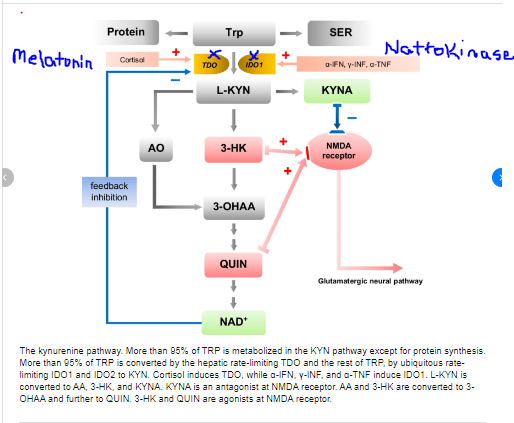
Melatonin also inhibits TDO enzyme of the Kynurenine pathway
This stops the production of NAD in the liver, kidneys, and brain
NAD is a cofactor for the enzymes that metabolize vitamin A
High dose Melatonin will cause vitamin A to stay in its retinal/retinol form.
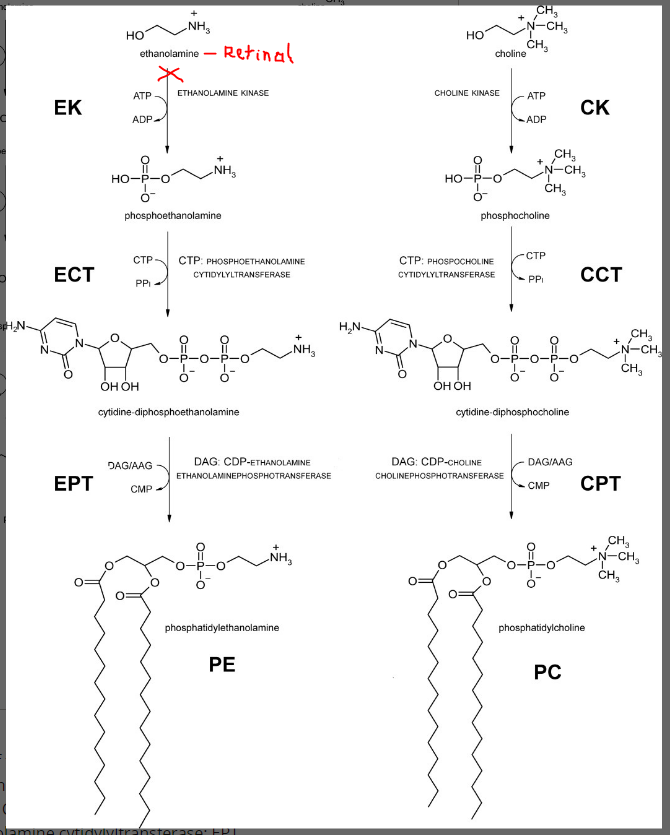
Excess retinal in the brain can bind to ethanolamine.
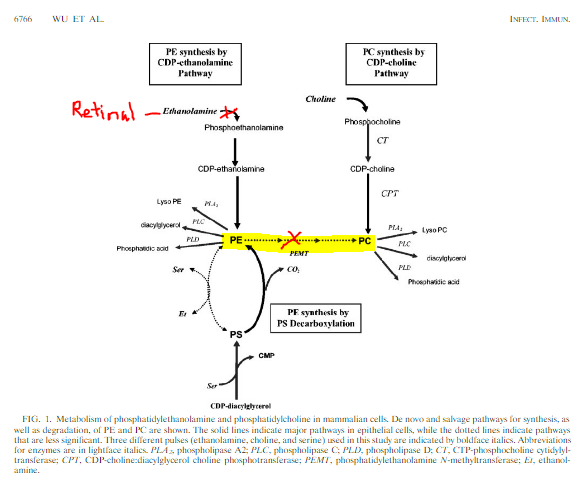
Phosphatidyl-ethanolamine is a precursor for choline synthesis.
Low choline levels leads to low acetylcholine which is the major neurotransmitter of the gut, brain, and heart (think slow gut, slow brain, slow heart.)
Also, when ethanolamine combines with retinal it can form A2E which is a schiffs base. This aggravates microglia cells which causes inflammation in the brain in my opinion. (Is my child drunk and also toxic on retinaldehyde?)
This post could pertain to adults who take more than 5 mg per day or to children taking more than 3 mg per day. Also anyone who doses melatonin multiple times a day, and anyone who has been on oral melatonin for quite some time may be at risk for all discussed below. Monitor yourself for symptoms of melatonin toxicity at the body of this article.
MELATONIN FOR SLEEP?
Melatonin is often prescribed to individuals with autism and intellectual disability because these people often struggle with sleep. In fact, the MBD5 deletion mouse model of Zoey’s genetic syndrome makes less circadian rhythm proteins in general. This leads to a predisposition for, what I like to call, InZomnia. We did give Zoey melatonin on and off for a few months when she was around two years old, but she would also have worse “drunk days” after taking melatonin. She would run into walls, so we stopped this supplement. I’m actually glad we did. We did have to learn how to promote better sleep hygiene in alternative ways. I think if we had kept using melatonin, she would have worse hypervitaminosis A than she does now.
The reason why Zoey was more “drunk” the day after taking melatonin is that high dose Melatonin actually alters NAD levels in the brain and also can compete with enzymes for alcohol and aldehyde metabolism. I will explain further….
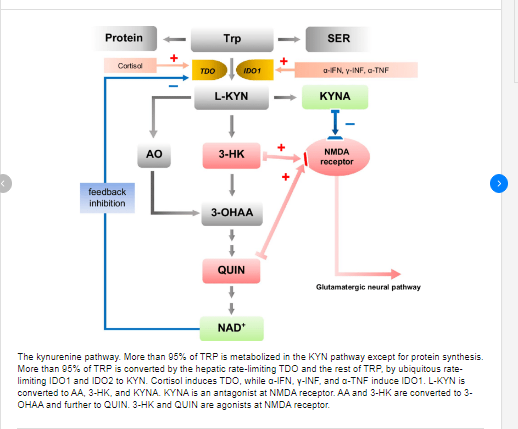
MELATONIN and the KYRURENINE PATHWAY
Figure take from this article and adapted https://www.researchgate.net/publication/339877327_Antidepressant-like_effects_of_kynurenic_acid_in_a_modified_forced_swim_test
High dose melatonin inhibits the enzyme TDO in the liver, brain, and kidney. This lowers NAD production. I believe this is in a dose dependent manner. The more melatonin given, the more this enzyme is blocked. The more often melatonin is dosed, the lower NAD production will be in these organs. This will cause higher amounts of retinol/retinal in these organs, and low levels of retinoic acid. Low levels of retinoic acid in the brain can alter nerve conduction by altering how many voltage gated calcium channels are open.
MELATONIN NEEDS ADH and ALDH FOR CATABOLISM
In addition, to actually blocking NAD production, melatonin may competitively impair retinol/retinal metabolism. Melatonin is metabolized using the enzymes alcohol dehydrogenase and aldehyde dehydrogenase. These enzymes are also used in vitamin A metabolism. Large doses of melatonin could compete with Vitamin A for metabolism resulting in a retinoic acid deficiency. Again, alterations in retinoic acid levels could contribute to changes in nerve conduction and either slow the brain down or speed it up by altering how many voltage gated calcium channels are open.
In addition, consider that if these enzymes in the brain are metabolizing melatonin, this could lead to higher levels of endogenously produced alcohols and aldehydes in the brain and could be the cause of the “drunk symptoms” that Zoey gets the morning after melatonin.
Adapted from ….https://journals.asm.org/doi/10.1128/IAI.72.12.6764-6772.2004
FURTHER CONSEQUENCES OF MELATONIN ALTERING VITAMIN A METABOLISM
The inability to convert retinol to retinoic acid in the liver leads to increased hepatic storage of retinol as retinyl esters which can lead to liver toxicity as well as a further burden on choline as it is needed for the enzyme Lecithin Retinol Acetyltransferase (LRAT) which helps to store vitamin A . (I will post soon about how low levels of retinoic acid in the kidney can cause kidney disease.)
High levels of retinal in the brain can complex with ethanolamine, an amino acid that is typically part of an important ether lipid that provides structure to the brain and helps it move smoothly. You can read more about how retinal and ethanolamine combine to form A2E, a schiffs base which aggravates microgrial cells resulting in brain inflammation and neurodegeneration here.
Adapted from https://iubmb.onlinelibrary.wiley.com/doi/10.1002/iub.337
Phosphatidyl-ethanolamine is actually a precursor choline synthesis as well, so in a round about way, melatonin is actually placing a huge burden on choline needs in the liver and the brain. Melatonin keeps retinal from becoming retinoic acid by altering NAD levels and also tying up ALDH in metabolism. This leads to high levels of retinal which can bind to ethanolamine. Low levels of phosphatidyl ethanolamine makes the body more reliant on dietary choline to produce phosphatidyl choline. More choline will be sequestered into the CPD-choline pathway shown below which means less choline is available for acetylcholine production (again…think slow gut, slow brain, and slow heart.)
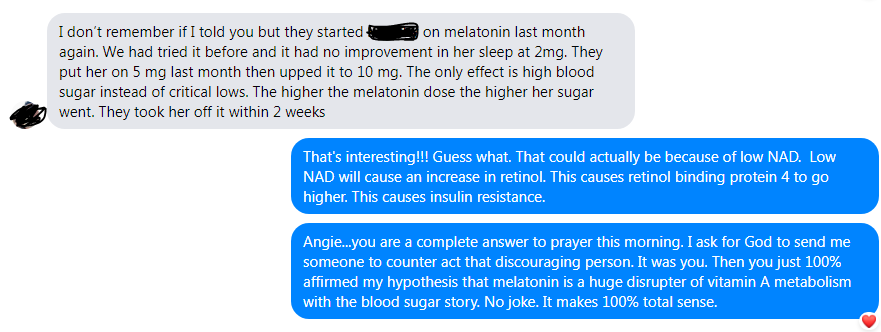
I have a friend in our 2q23.1 (MBD5) deletion support group who share a recent story of starting melatonin for sleep. As she increased her daughter’s dose of melatonin, there was a dose related response in blood glucose levels. As the dose went up, blood glucose levels went up. It is quite possible that as the dose increased, NAD levels decreased to the point that retinol levels increased, and retinoic acid levels decreased. High RBP4 can actually causes insulin resistance which would cause hyperglycemia (https://pubmed.ncbi.nlm.nih.gov/16034410/), and high retinoic acid can cause hypoglycemia (https://pubmed.ncbi.nlm.nih.gov/20032483/).
Here is our conversation….
And here is the conversation she had with different care providers about the high blood glucose from Melatonin.
WHAT IF THE SIDE EFFECTS OF MELATONIN OVERDOSE ARE ACTUALLY SIGNS OF RETINOIC ACID DEFICIENCY?
Alopecia and dermatological manifestations of melatonin overdose could actually be related to retinoic acid deficiency. In addition, when metabolizing large amounts of melatonin, NAD is used which may contribute to low cellular levels of NAD. This can result in impaired energy (ATP) levels leading to the symptoms described in melatonin overdose such as fatigue. This could also cause buildup of lactate resulting in lactic acidosis which would account for the vomiting seen in melatonin overdose.
Okay….so not to pull the “my child is more disabled than your child” card here, BUT the mouse model of MBD5 deletion doesn’t make very much circadian rhythm proteins. However, we got Zoey to sleep WITHOUT melatonin! Woohoo! If we can do it and genetics is playing a huge role against us, then you can do it too! How did we do it?
Sleep Hygiene.
Dark room
Cold room
Warm bath before bed
No screens (blue light) two hours before bed
Verilux happy light (or other light therapy light) in the morning for 30 minutes OR natural sunlight to trigger the timing of melatonin release for 12 hours later.
Prayers before bed. <3
Overall I do NOT recommend melatonin supplementation. The end.
This is me…over here…feeling a cold burn which sometimes turns hot in my feet, but also sometimes my whole body. It’s been getting worse after taking a b-complex.
A friend of mine prompted me to research this. We have similar burning sensations! People sharing their burdens leads to good. So share with me.
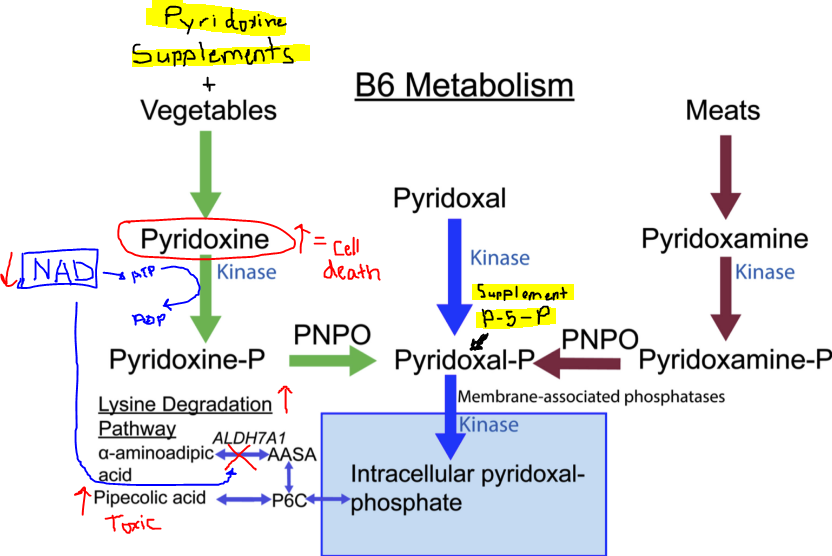
So…why does supplemental B6 hurt some people but not others? Some people can get B6 toxicity related nerve damage while others can get B6 deficiency nerve damage. I propose that it all depends on the status of your NAD.
adapted from https://www.pedneur.com/article/S0887-8994(17)30124-8/fulltext
So if you start in a low NAD state, and use high dose B6, it might be problematic. Probably you have to avoid things that lower NAD before starting to supplement with B6 because in a round about way you have to have enough NAD to make ATP in the TCA cycle. ATP is needed to metabolize pyridoxine. Excess pyridoxine is toxic. (1)
To add to the complication, you need some B6 to make NAD! So avoiding B6 all together won’t help.
If your NAD is low, you won’t be able to run the ALDH enzyme in the picture on the bottom left. It could be that inability of B6 to be pushed towards Lysine production results in making a toxic metabolite called Pipecolic acid (2).
Excess pipecolic acid was found in a child with mutations in the ADLH7A1 gene who had seizure disorder. The solution for them was to restrict dietary lysine and supplement with B6 (3) which helped to restore normal levels of pipecolic acid. This was probably because lowering dietary lysine allowed for excess B6 to be shuttled towards Lysine production instead of pipecolic acid production. So interesting!
So, I propose that people with low NAD status are having similar situation. They are high in either unmetabolized pyridoxine from supplements or vegetables. This becomes toxic. OR they are high in pipecolic acid due to impaired NAD levels leading to the inability to convert any form of excess B6 into Lysine.
And I propose that the only way to safely detoxify excessive B6 is through pushing it into the amino acid lysine. To do this you have to not be impairing your NAD levels. So that means….
no alcohol
no excessive aldehydes from sodas
no kombucha
no excessive amounts of fermented products
definitely don’t have a thiamine deficiency
avoid oxalate like the plague
don’t supplement with vitamin A (if you aren’t actually deficient) because that also requires NAD for processing
So if someone thinks that they have neuropathy from B6 toxicity maybe a low lysine diet would be beneficial? Here is a website that my friend shared with me. I’m so thankful for him. I haven’t really looked it over yet, because I really like science-ing things out in my brain first before I get opinions from other people. I definitely like input from other people because I’m not a know-it-all, but I always like to wrap my brain around a situation before I start to get input from various sources.https://understandingb6toxicity.com/…/small-fiber…/
Here is a side note…If someone is on hydrocortisone therapy, it can lead to what looks like a B6 deficiency on labs (high lysine, high tryptophan, low glutaric acid), but in actuality the steroid has impaired the Kyneurine pathway of NAD metabolism by inhibiting the enzyme TDO. See a post here regarding that.
What can I do for me and for my clients:
1. Only supplement thiamine at a high dose (and I’m still researching this…check out www.hormonesmatter.com for more info on high dose thiamine).
2. Keep B6 low at the RDA (or at least not at the level in most B-complex supplements). unless I know someone is deficient base on labs and history of B6 depleting medications such as seizure meds or birth control. Then possibly just give small doses but not excessive. ***** Avoiding high levels may be super important in people who can’t give up their NAD lowering habits – oxalate, metformin, alcohol, miralax, melatonin, etc.****
3. I’m NOT going to eat a lysine restricted diet because I don’t have a genetic mutation in ALDH7A1. I won’t make my clients do this either, unless they think they are toxic, because diet restriction of amino acids is too hard. If they do have this genetic mutation, though, I would. OR if they have symptoms of B6 toxicity I might recommend it.
4. Instead, work on sparing NAD because that is potentially what is causing the high pyridoxine or pipecolic acid. Low NAD may actually decrease ALDH7A1 activity. And…get this…people with liver disease have high Pipecolic acid levels. So…low NAD seen in oxalate poisoning and chronic alcohol issues leads to liver disease eventually. (4).
It’s all interconnected. How does vitamin A play into this? Excess retinol and retinal metabolism might deplete NAD in the same way. Once levels are high because of low NAD state, the vitamin A itself becomes a potential way that NAD levels are lowered. A vicious cycle.
There are no perfect solutions in nutrition and metabolism. Only trade offs. Maranatha.
I’m a dietitian. Not a doctor. Talk with your doctor or personal healthcare practitioner before you make any changes to your diet, supplements, medications, or lifestyle. This is only meant to inform, not to treat or diagnose a condition.
It seems that Vitamin A metabolism is altered by multiple factors. I have clients who have multiple medical issues that are also vitamin A toxic. It has to do with different medications that they take that also impair vitamin A metabolism. These medications include Miralax, Melatonin, H2 receptor antagonist, excess vitamin C, Metformin, and Lasix (see this post). The list continues to get longer and longer. So it seems that vitamin A metabolism is easily altered by many medications, but also diet (oxalate, aldehydes, alcohol). Detoxification of retinoic acid from the body is also altered by many factors (see this post).
SUMMARY – for those who don’t like long winded explanations.
Hydrocortisone (HC) at higher doses has a paradoxical effect on Tryptophan metabolism – This helps with mood and perceived energy
HC at higher doses causes LESS tryptophan to become niacin
Low niacin leads to low NAD
Low NAD leads to low metabolism of vitamin A from retinol and retinal (beta-carotene is a source) to retinoic acid
This means our kids are at risk for vitamin A toxicity
Vitamin A only leaves the body as retinoic acid
They also may appear to be vitamin A deficient due to low retinoic acid
Insufficient HC can also lower niacin (lower NAD) as cortisol controls the enzyme action in the first stage of Tryptophan metabolism.
Overall, kids on HC are at risk for poor vitamin A metabolism from altered NAD levels.
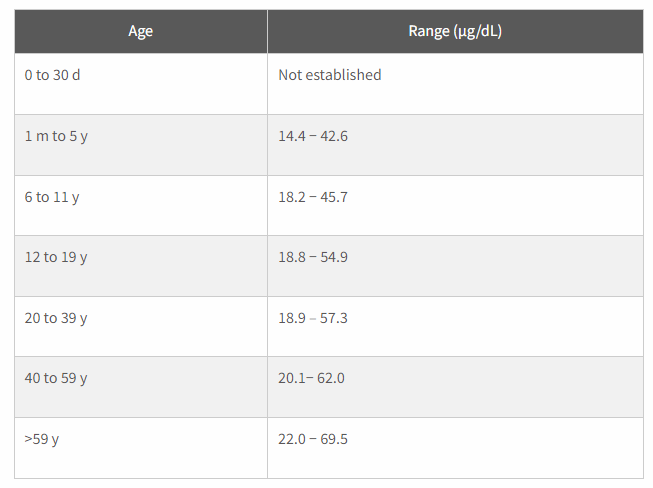
Have serum vitamin A (retinol) checked. There is a screen shot int this post of “normal” values as some labs have ridiculously high levels set.
Even if serum vitamin A levels are “normal” we don’t know how much is in our kiddos livers.
If your child is iron deficient as well, this sets them up for hepatic vitamin A toxicity because iron deficiency prevents the mobilization of vitamin A from storage.
If you are giving a niacin supplement along with HC, and your child is insanely fatigued, it could be that their tryptophan levels are WAY too high because niacin blocks the enzyme that starts the kynurenine pathway, and hydrocortisone, depending on the amount used, could also be blocking this pathway.
NORMAL SERUM VITAMIN A LEVELS BY AGE – LAB CORP. Most literature agrees that vitamin A should not be above approximately 56 ug/dl. Some laboratories set the upper limit for this test as anywhere from 90 to 120 ug/dl. Those values are way too high. https://www.labcorp.com/tests/017509/vitamin-a
Signs of poor metabolism of vitamin A (or retinol/retinal toxicity, but retinoic acid deficiency)
eczema
histamine intolerance
poor wound healing
bleeding gums
nausea
headache
high VLDL and/or LDL
insulin resistance
low platelet count (retinoic acid toxicity)
high platelet count (possible retinol toxicity symptom)
low TSH
high total T4
keratosis pilaris (chicken bump skin)
dry cracked heels
hair loss (male pattern baldness, losing eyebrows)
hypercalciuria
I’m a dietitian and I have been studying vitamin A toxicity and related metabolic pathways. Vitamin A Toxicity can occur in a low NAD state. NAD is a cofactor for enzymes that convert retinol and retinal (beta-carotene come in at retinal), to retinoic acid. NAD contains niacin. Niacin can be a supplement, but we make niacin from the amino acid tryptophan,. Approximately 95% of the Tryptophan in our body is pushed through this pathway to make niacin. The other 5% is typically used to make Serotonin.
That being said, my girls have late onset congenital adrenal hyperplasia. My 17 year old wasn’t diagnosed until 12 years old. She suffered miserably for years from eczema, allergies, and fatigue. She still does unless she “half” stress doses. She has been accused by her doctor of “over medicating”. She says that doing a half stress dose helps so much with everything! Her fatigue, her eczema, her allergies, but she is trying to be obedient to the doctor’s orders.
So, here is what I just figured out. Cortisol turns on the first enzyme in the pathway that pushes tryptophan to Niacin. If Cortisol is too low, then niacin may also be low. Paradoxically, when increasing hydrocortisone, niacin production from tryptophan goes even lower. Both corstisol deficient and over abundance of hydrocortisone can cause low production of NAD. NAD is needed to convert retinol to retinal and then into retinoic acid. When retinol is high, it causes a histamine reaction! ALLERGIES and HIVES! When retinoic acid is low it means skin can’t heal! CHRONIC ECZEMA. When retinoic acid is low, we can’t get Vitamin A out of the body. It only leaves in that form. VITAMIN A TOXICITY!
POSSIBLE HISTORY OF VITAMIN A TOXICITY WITH PROBABLE MAXED OUT LIVER STORES IN MY 17 YEAR OLD WITH NCCAH
My 17 year old was likely vitamin A toxic last year until she started stress dosing all the time because she felt bad. I say I think she was likely vitamin A toxic because her labs showed a low TSH and high retinol in the blood will cause a low TSH. Her TSH is now normal, but she is still feeling tired and fatigued. Her serum vitamin A is 39 (normal value <59 for her age). Last year she became allergic to chocolate and beans. She had to stop eating them. They are high oxalate foods that also can cause low NAD levels (see my blog for details www.weakthereforestrong.com/blog). When she stopped eating these foods, it helped increase her NAD recycling. However, I think she still has overall high vitamin A levels due to her histamine intolerance goes up and down. I think she, at times, mobilizes vitamin A quickly from stores and triggers a histamine release from mast cells. Her skin still looks terrible, too, and she has very thin blood. All signs of vitamin A toxicity.
DEFINITELY VITAMIN A TOXICITY IN MY 11 YEAR OLD WITH NCCAH
However, my 11 year old is vitamin A toxic. I think this Kynurenine pathways is part of the reason why. The other part is because we were accidentally feeding her high oxalate plantain flour. We thought it was low oxalate due to a dietitian handout that was wrong. Oxalate impairs the enzyme lactate dehydrogenase which makes NAD low resulting in vitamin A metabolism slowing down. You can read more about that on this blog, but I just realized that her NCCAH plays a HUGE role in this as well.
So, something else….this past January I was tired of my daughter using steroids to make herself feel better. Her diet is pretty limited because of foods allergies and so I decided to make her take a multivitamin. This contained vitamin A and niacin. She became even more tired and her eczema worsened. She is sleeping all day.
Hydrocortisone in higher amounts improves moved and perceived energy by lowering the Kyn:Trp ratio. This means better mood as tryptophan is made into serotonin, but also could mean lower NAD levels as well leading to poor vitamin A metabolism. This paradoxical effect of hydrocortisone needs to be explored further. I do not think it is due to steroid depletion of B6 as this would actually lead to increases in Kyn metabolites and this study found lower levels of these metabolites in those dosing with higher doses of hydrocortisone.
ORAL NIACIN, GOOD OR BAD FOR KIDS WITH CAH?
Well, when you add Niacin to the body in supplemental form. It inhibits the enzyme TDO. This essentially shuts of Tryptophan conversion to niacin, and remember, 95% of tryptophan in the body goes through this pathway, or it is made into serotonin. I think that what is happening to my daughter is that her serotonin levels are way too high because I blocked tryptophan metabolism into niacin.
Interestingly, though, this study I link to below showed an increase in tryptophan from using more hydrocortisone, which I feel is the opposite of what I would think. This actually worries me even more. This would mean that increasing doses of steroids may lead to even less niacin being made in the body! This means a low NAD state. There may be a paradoxical effect when doses are high versus low.
In any case, I think using oral niacin has pushed my daughter into an extremely high tryptophan state as she has also been stress doing. So, now we are avoiding niacin all together to see if this will help her to be able to push more tryptophan down this pathway and stop her from feeling so exhausted, and also stop her wanting to take mores steroids. I do think half stress dosing is probably worsening her NAD levels though, especially as this study shows that high dose steroids push everything back to tryptophan.
(Another important thing to note is that the supplement Nattokinase blocks the other enzyme IDO1. Taking both Niacin and Nattokinase will alter tryptophan metabolism completely. This may cause serotonin syndrome, especially in someone taking a SSRI)
CHECK KIDS ON HYDROCORTISONE FOR VITAMIN A TOXICITY
Also, I think that our kids should be checked for vitamin A toxicity. NAD is crucial for the metabolism of Retinol, Retinal, and Beta-carotene to retinoic acid. Excessive amounts of retinol in the body can cause histamine intolerance (retinol triggers mast cell histamine release), diabetes (high retinol binding protein 4), and bone loss (high retinol triggers osteoclasts to break down bone quickly leading to hypercalciuria).
High retinal levels can contribute to neurodegenerative disease and macular degeneration through combining with an ether lipid called ethanolamine making A2E. This A2E aggravates microglia cells and could be causing brain inflammation and is known to cause macular degeneration.
Low retinoic acid means poor wound healing, worsening eye sight, and poor growth. Retinoic acid is the only form of vitamin A that can leave the body. So if a person is low on NAD, they will become toxic in vitamin A.
Vitamin A is stored in the liver, until it reaches maximum capacity. After which the body will shuttle vitamin A packaged into cholesterol out of the liver in attempts to store it in adipose tissue. This makes blood cholesterol levels go up. So if your kiddo has high cholesterol, this is likely the cause.
When retinol is high, it can cause insulin resistance which will result in high triglycerides or at minimum a triglyceride:HDL ratio greater than 3.5 on labs which will indicate insulin resistance which will eventually become diabetes.
MONITORING NAD IS IMPORTANT
So it’s important for our kids to have normal NAD levels. This can be altered due to them being steroid dependent. Cortisol induces the production of niacin in the body. Adding a niacin supplement will inhibit this pathway and make them TIRED as heck, at risk for serotonin syndrome, but they may be better metabolizers of vitamin A, if they aren’t impairing their metabolism in other ways (high oxalate foods, melatonin, miralax, etc.) Maybe kids with CAH need to monitor things that lower cellular NAD levels.
I’m a dietitian, not a doctor. This post was written only to inform, and to share, because I seriously care about how our kids feel. Please consult with a physician before making any changes to medications, diet, supplements or lifestyle.
I’m a dietitian, not a doctor. This is only written to inform and is not intended to diagnose or treat a disease. Please consult with your physician prior to making any changes in medications, diet, or lifestyle.
Calling all seizure experts because I am not one. I’ve let Zoey’s “diffuse cerebral dysfunction with epileptic discharges” be unexplored because our neuro felt she wasn’t having too many epileptic discharges (her current EEG results are pending), and so medication had more risks than benefits since she does have this very slow back ground wave issue.
So, I’m not an expert in seizures, but I have a hypothesis. I propose that Zoey’s slow background waves are from low levels of ethanolamine containing ether lipids due to retinal “stealing” her ethanolamine. So structurally she is compromised pushing her towards a very slow brain.
From a biochemistry stand point, I think she fluctuates between high levels of retinoic acid and low levels of retinoic acid depending on what is going on with her mitochondrial levels of NAD. Overall, she probably has way to much vitamin A in the brain, so that adds to the fun puzzle. At any given point Zoey may have too much retinoic acid causing SLOW brain or too little retinoic acid (lots of retinal to bind ethanolamine) causing FAST brain (epileptic discharges). There are no perfect solutions in nutrition and metabolism; only trade offs.
Brain Dump Notes
Voltage gated calcium channels need to be “open” for nerves to conduct- voltage gated calcium channels need to be “closed” for nerves to stop conduction
retinoic acid helps to “close” voltage gated calcium channels-
if retinoic acid levels are too low in the brain, more voltage gated channels will be “open” leading to rapid firing of nerves (seizure)-
if retinoic acid levels are too high in the brain, then too many voltage gated channels will be “closed” leading to a very slow firing of nerves (diffuse cerebral dysfunction)
the fluctuation of retinoic acid in the brain is dependent on the enzymes ADH and ALDH as well as NAD levels- alcohol can directly tie up ADH and ALDH which would lower retinoic acid.
Alcoholics sometimes have seizures. Also, too many aldehydes in the diet could cause similar issues (people with histamine issues could be at risk as they are sensitive to acetylaldehydes which I think is really just a sign of low NAD or mitochondrial dysfunction)
a pathogenic gut microbiome can steal NAD leading to low NAD which would mean low retinoic acid levels. Low retinoic acid levels will mean more calcium channels are “open” causing seizures or possibly epileptic discharges on top of slow brain waves from low ether lipid status.
low NAD levels in the brain will cause low retinoic acid, but high retinal levels.
This causes retinal to steal ethanolamine lipids leading to A2E shift which causes microglia cells to attack and causes brain inflammation and nuerodegeneration.
Ummm….retinoic acid metabolism in the brain is apparently crucial for normal brain function. – This highlighted part of a journal that I’m reading about voltage gated calcium channels is interesting. We are still not sure what truly regulates the brain. Maybe NAD and vitamin A are part of this?