A Tale of Two (or is it three) Sulfites: SUOX(MoCo) Deficiency, Neutrophil Production of Sulfite, or Both!

What if your sulfur metabolism issues aren’t due to sulfite oxidase or molybdenum cofactor deficiency? Read on to learn about how there may be a different cause to your sulfur intolerance!

***This is not medical advice but written for informational purposes only. Please consult with your personal healthcare provider prior to making any changes to your diet, supplements, medications, or lifestyle.***

In November of 2024, the MoCo Steal Theory: Recovering From Sulfite Toxicity Support Group, was started by myself, Meredith Arthur, MS, RD, LD, and Jenny Jones, PhD. Jenny’s theory that due to high dose vitamin A intake, molybdenum cofactor could be stolen away from sulfite oxidase leading to sulfite toxicity, explained why she developed late-onset seizure disorder after using a vitamin A supplement. Her theory is that vitamin A in excess can shift molybdenum cofactor (MoCo) away from sulfite oxidase, and towards the backup enzyme for vitamin A metabolism in the liver, aldehyde oxidase. This would lead to higher levels of sulfite, which can cause a functional B6 deficiency by inhibiting ALDH7A1. This would increase glutamate levels in the brain, causing a seizure similar to pyridoxal-dependent epilepsy in those with classic ALDH7A1 deficiency. In addition this could lead to more s-sulfocysteins (SSC) which is like glutamate on steroids and can overexcite NMDA receptors in the brain.

However, she did not immediately develop seizure disorder from the vitamin A supplement, but this occurred after trying a low vitamin A, low choline diet to “detox” the vitamin A from her liver. Since starting this group, we have found that it’s not only the MoCo Steal that can contribute to sulfite toxicity by stealing MoCo from SUOX, causing intracellular sulfite toxicity and reaction to all things sulfur-related, but that there are also individuals who have extracellular sulfite toxicity as their driving force behind “sulfur intolerance”. We believe that going on a low vitamin A diet, or struggling with vitamin A metabolism in the gut, can shift the gut-associated lymphoid tissue away from an adaptive immune response into a neutrophil-dominated immune response that leads to extracellular sulfite toxicity.

INTRACELLULAR SULFITE TOXICITY

SUOX/MoCo deficiency. 

Some of us in the MoCo Steal: recovering from sulfite toxicity group on Facebook (https://www.facebook.com/share/g/17NqPUMKZj/) are struggling with sulfite due to burnout or inadequate SUOX function (a MoCo-dependent enzyme). Meaning that the amount of sulfite being produced by the transsulfuration pathway is exceeding our ability to convert it to sulfate, or because of increased activity of CDO due to upregulation of the HIF-1alpha pathway, we have excessive sulfite production by CDO. This causes high cytosolic and mitochondrial sulfite levels. This can lead to very high levels of s-sulfocysteine, SSC. We react to sulfur foods, garlic, NAC, and glutathione supplements.

EXTRACELLULAR SULFITE TOXICITY

Neutrophilic Sulfite Toxicity. 

Some of the individuals in the MoCo Steal: Recovering from sulfite toxicity group on Facebook have lost their adaptive immune system (many have done the low vitamin A diet, which was a major contributing factor to loss of secretory IgA production and adaptive immune function). This causes the innate immune system (neutrophils and macrophages) to become dominant. In addition, many in this group struggle with SIBO, which provides additional H2S for neutrophils to use for sulfite production. In the portal vein, this excess sulfite can destroy B1 and B6 before they reach the liver and general circulation. 

These individuals don’t have high levels of SSC because they don’t have SUOX deficiency or intracellular sulfite toxicity. The sulfite itself cannot cross cell membranes by diffusion. However, sulfite can increase the activity of NADPH oxidase in M1 polarized macrophages and increase macrophage phagocytosis. NADPH oxidase increases the production of superoxide.

Superoxide can’t diffuse across cell membranes into other cells, but when it’s metabolized to hydrogen peroxide via superoxide dismutase (SOD3) or when it spontaneously dismutates to hydrogen peroxide, this hydrogen peroxide can cross membranes. When superoxide builds up in macrophages, peroxynitrite (ONOO) increases. ONOO can also diffuse across phospholipid bilayers of cell membranes. ONOO and hydrogen peroxide are detoxified by glutathione peroxidase. This could lead to cellular glutathione deficiency, however if hydroxyl radicals are high, glutathione peroxidase activity will be inhibited.

Excessive neutrophil activation can lead to high levels of sulfate and sulfite radicals as well as hypochlorous acid. All of these metabolites can cause plasma glutathione deficiency because sulfite radicals and sulfate radicals irreversibly bind to glutathione in the blood.  

We react to sulfur foods, garlic, NAC, and glutathione supplements because they provide ingredients that can increase sulfite production from neutrophils.

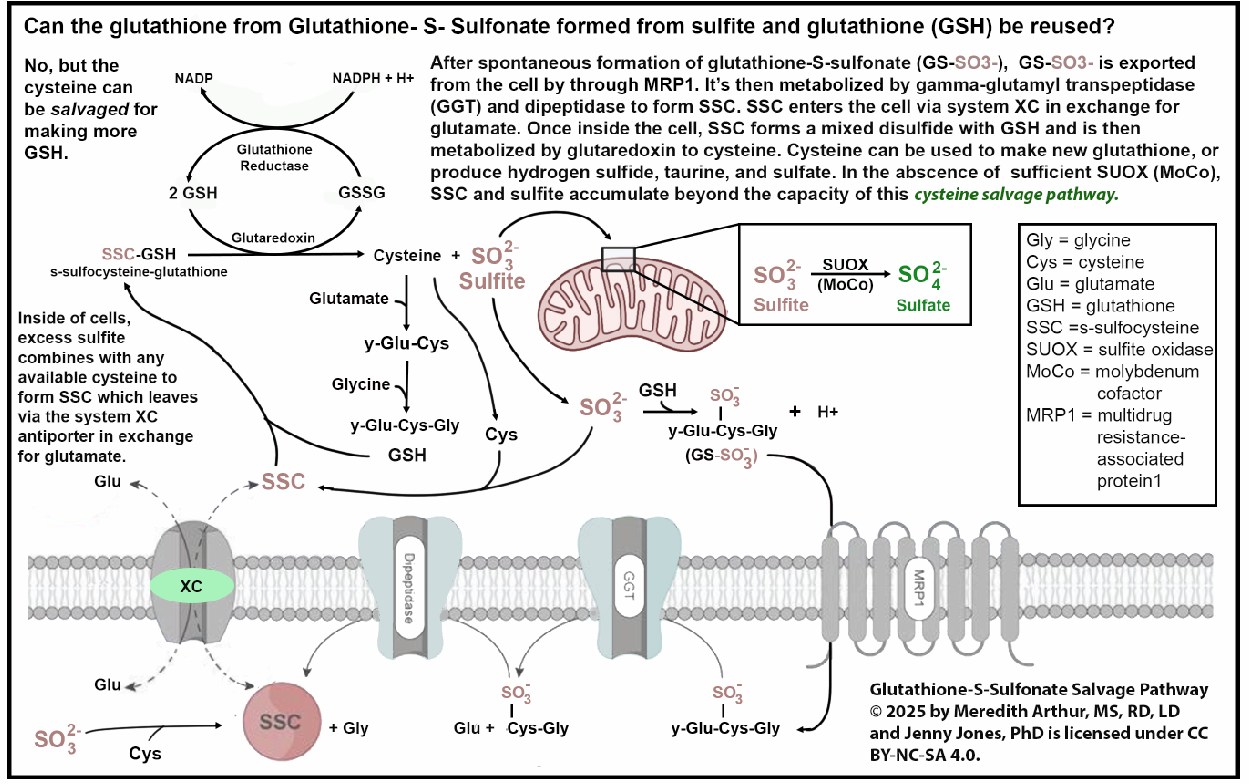
Below is a diagram showing the neutrophilic contribution of sulfite during the immune response.
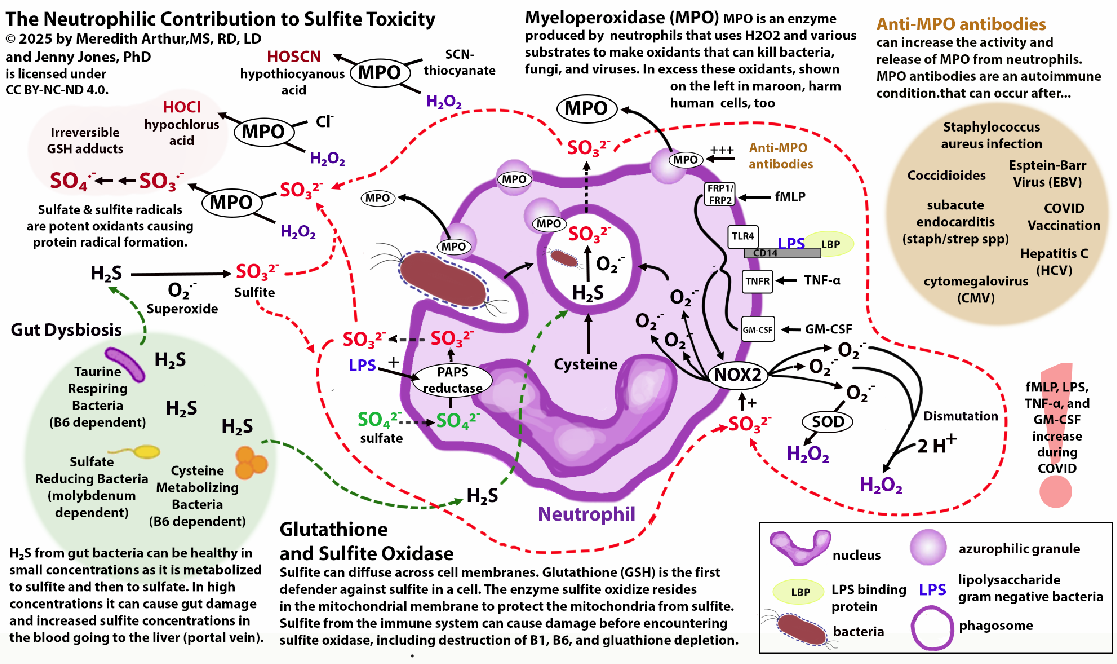
Neutrophils produce sulfite in response to LPS or when dealing with bacteria.

https://pubmed.ncbi.nlm.nih.gov/9823763

https://pubmed.ncbi.nlm.nih.gov/12512997

https://pubmed.ncbi.nlm.nih.gov/16317383

The overachiever. Some people are doing both! They have lost their adaptive immune system due to malnutrition as well and now rely on neutrophils and macrophages to deal with viruses and bacteria. Often, these people have very high sulfite production from neutrophils, leading to vitamin B1 deficiency. This causes intracellular B1 deficiency, leading to increased pyruvate levels, which includes the HIF-1alpha pathway and upregulation of CDO, leading to intracellular sulfite toxicity in the setting of overall inadequate nutrient intakes to be able to support molybdenum cofactor and sulfite oxidase enzyme production.

Why is it important to find out which group you are in?

If you are not high in SSC, then whatever diet you are currently on is specifically adequate in molybdenum. It means you are likely converting excess sulfite to sulfate in cells. It means that your cysteine salvage pathway, where you can salvage cysteine from SSC and then metabolize sulfite to sulfate, is working as well.

In addition, increasing molybdenum could support hydrogen sulfide-producing bacteria in the small intestine (small intestinal bacteria overgrowth with desulfovibrio species or bilophila). The H2S can fuel neutrophil production of sulfite, which will worsen the overall extracellular sulfite toxicity.

If you have normal SSC, you likely don’t need to supplement with molybdenum beyond what you are currently doing, and, for some, you may be able to back off on high doses (TALK WITH YOUR PRACTITIONER) as long-term high exposure to molybdenum is found to cause chronic kidney disease.

SSC can be tested via OMX from Diagnostic Solutions Laboratory.

https://www.diagnosticsolutionslab.com/tests/omx

How does excess molybdenum cause damage to the kidneys?

Molybdenum induces oxidative stress in renal tubular cells. The oxidative stress upregulates pro-apoptotic genes (cell death genes) and decreases anti-apoptotic genes (cell saving genes).

https://pubmed.ncbi.nlm.nih.gov/33348253

https://pubmed.ncbi.nlm.nih.gov/31811574

https://pubmed.ncbi.nlm.nih.gov/31518807

https://pubmed.ncbi.nlm.nih.gov/25627418

Molybdenum also promotes inflammatory responses in the kidney through the JAK/STAT axis and pyroptosis (swelling, explosion, and release of inflammatory contents) via the NLRP3/caspase-1 pathway.

https://pubmed.ncbi.nlm.nih.gov/33157513

https://pubmed.ncbi.nlm.nih.gov/38104808

https://pubmed.ncbi.nlm.nih.gov/34479002

Below is a slide of a summary slide of “Making MoCo” which is the cofactor needed for sulfite oxidase (SUOX). I made the “ingredients” in green. Promise I am making the video to explain how making MoCo can go wrong, but definitely working on the nutrients needed is very helpful. The goal is to absorb MoCo (see this video…. https://youtu.be/tA5ImU2vJKw) and then incorporated into MoCo where it should be!

Something I have found helpful to prevent excess H2S from bacteria binding to my molybdenum (makes tetrathiomolybdate) is to either take it on an empty stomach away from meals or take it with an apple which should in theory decrease H2S production (Chris Masterjohn talks about this in his sulfur protocol).

Ingredients for MoCo (listed in case English isn’t your native language and the slide is hard to read or if you have low vision and needed your phone to read the post):

  • molybdenum (molybdate)
  • radical SAMe (iron-sulfur cluster dependent)
  • iron-sulfurs clusters (need B6 for formation)
  • iron (need for heme component of SUOX, needed for iron sulfur cluster formation)
  • B12, folate, and betaine (needed for methionine salvage pathway OR just adequate methionine intake)
  • Magnesium (MPT synthase, and adding molybdenum via gephyrin)
  • Zinc (stabilizes MPT synthase)
  • Copper (tiny bit for Cnx1E)

SUOX is complete when MoCo and Heme are part of the enzyme. Heme synthesis requires:

  • P5P (vitamin B6)
  • Iron
  • Zinc
  • Radical SAM (Fe-S cluster dependent. SAM is made from methionine. Methionine salvage is dependent on B12, folate, and/or betaine. The enzyme that makes SAM, MAT, is inhibited by hydroxyl radicals that occur during oxidative stress – look into Bob Miller and Dr. Jill’s remedy using molecular hydrogen if you have high methionine levels of plasma amino acid indicating a block at MAT.)
  • Riboflavin (vitamin B2) for FAD

Additional references….

kidney disease and sulfite retention…

https://pubmed.ncbi.nlm.nih.gov/10770971/

https://pubmed.ncbi.nlm.nih.gov/40058144/

https://pubmed.ncbi.nlm.nih.gov/14717909/

Adapted diagram for sulfite oxidase deficiency is from….

https://pmc.ncbi.nlm.nih.gov/articles/PMC9607355/

The cysteine and methionine restriction on the diagram are specifically for those with SUOX/MoCo deficiency. They are life saving measures, but unless you have this genetic disease, prolonged restriction of methionine or cysteine will only lead to worsening of your health (in my opinion, consult with your own provider). A methionine and cysteine restriction to the level needed for the genetic diseases of SUOX is not life sustaining.

Article on molybdenum exposure and chronic kidney disease https://www.sciencedirect.com/…/pii/S0147651324004767

Neutrophilic Contribution to Sulfite Toxicity © 2025 by Meredith Arthur, MS, RD, LD and Jenny Jones, PhD is licensed under CC BY-NC-ND 4.0

“Molybdenum and B1 make me dump oxalates!” Alterations in Oxalate Metabolism During Sulfite Oxidase/MoCo Deficiency.

by Meredith Arthur, MS, RD, LD. This is not medical advice and is written only for informational purposes. Please consult with your provider before making changes to your diet, supplements, medication, or lifestyle.

********************************************************************************************************

As Jenny Jones, PhD recovered from acquired sulfite oxidase deficiency due to the MoCo Steal and overall decreased SUOX production due to inadequate vitamin B6 (pyridoxal phosphate), which is needed to make heme, a component of the sulfite oxidase enzyme, she noticed that when she increased her molybdenum intake, she experienced an oxalate dump. In contrast, my daughter Zoey is no longer excreting oxalate in appreciable amounts and has been deemed “cured” by her urology team because she no longer has oxalate-induced inflammation of ureters, and her kidney reflux has resolved, despite having ongoing health issues that would cause increased oxalate production in the body. Who is healthier? Jenny or Zoey?

For audio/visual learns, you can watch this video.

What is oxalic acid (oxalate)?

Oxalic acid is a small, naturally occurring dicarboxylic acid found in plants, fungi, and some bacteria. Plant foods have varying amounts. Some foods are high, and some foods are low. Marek Doyle has an online oxalate calculator if you would like any easy way to estimate how much dietary oxalate you consume per day. OXALATE CALCULATOR – MarekDoyle.com – Metabolic & Nervous System Co-Pilot. Cronometer can also estimate the amount of Oxalate you consume, although be sure to monitor the data confidence score, as not all foods list their oxalate content. The Trying Low Oxalate group, founded by Susan Owens, on Facebook can point you to a large Excel spreadsheet file that contains oxalate data. Other practitioners and groups that share extensively about the impacts of dietary oxalate include Sally Norton, Emily Givler, and Elliot Overton. You can refer to these practitioners for more details on dietary oxalate.

However, we also make oxalate in our liver cells from glycolaldehyde and hydroxyproline degradation, and I believe that sulfite toxicity severely alters oxalate metabolism and excretion!

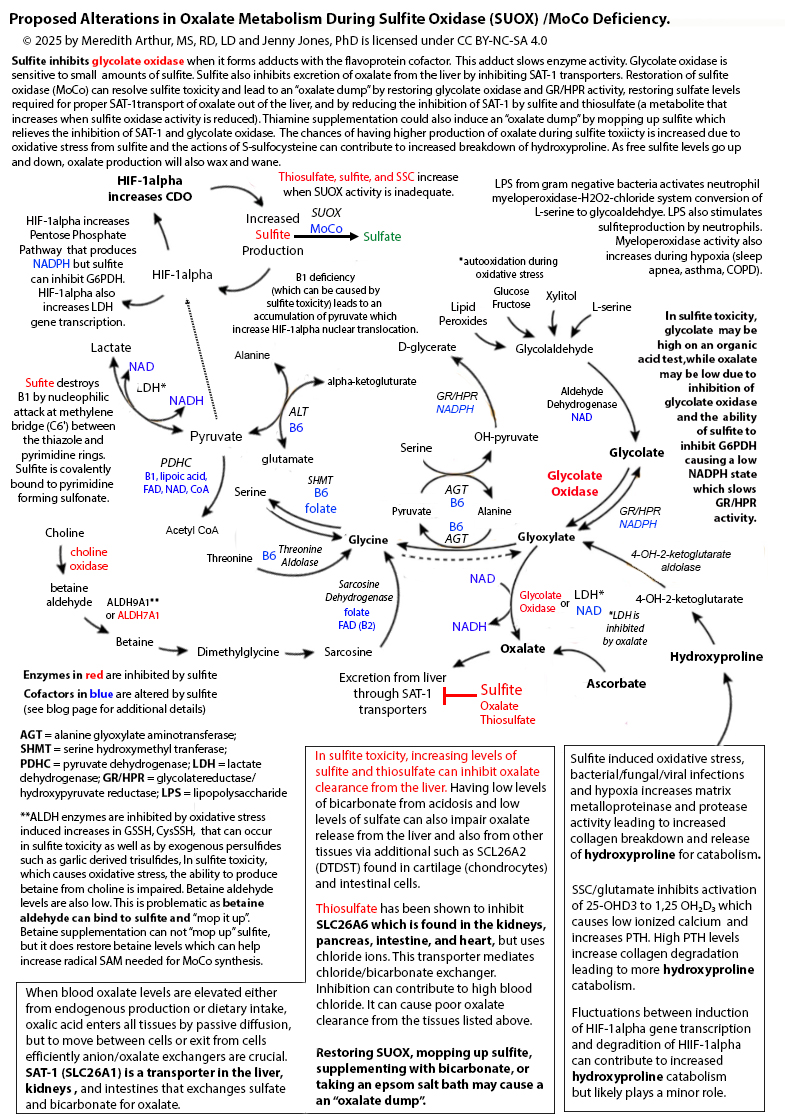
The following diagram summarizes the alterations that occur to oxalate metabolism and clearance during sulfite toxicity. Please read beyond this diagram for more information, references, and Zoey’s medical story, which prompted me to explore how sulfite and oxalate are tightly bound together.

Cofactors in blue are compromised by sulfite or cysteine deficiency. Prolonged sulfite exposure decreases NADPH by inhibiting glucose-6-phosphate dehydrogenase. (G6PHD) A functional B6 deficiency leads to a decrease in the de novo synthesis of NAD. Sulfite destroys B1. Sulfite can reduce lipoic acid levels by decreasing the total available cysteine when it binds to cystine, forming s-sulfocysteine (SSC). Sulfite forms an adduct with riboflavin, decreasing its catalytic activity. Sulfite can reduce CoA synthesis from pantothenic acid, as this requires cysteine that is tied up in SSC.

Jenny wins the “I have successfully recovered from sulfite toxicity award” due to oxalate dumping!

Jenny is by far healthier than Zoey, despite Zoey being discharged from urology (but I am hoping that nephrology will address what I think is going on based on her 24-hour urine test). Having previously explored the interactions between sulfite and oxalate metabolism, I was so excited for Jenny to report that she was experiencing oxalate dumping because an oxalate dump, to me, is a true sign of normalized sulfite oxidase function (usually). As I explain in the diagram above, oxalate dumps can occur when sulfite is mopped up, sulfate levels are increased, or when bicarbonate levels are increased. Jenny’s oxalate dump was due to restoration of sulfate and a decrease in sulfite levels, which restores oxalate production by releasing the inhibition of sulfite on glycolate oxidase, as well as allows more oxalate to be cleared because sulfite and thiosulfate are no longer inhibiting the movement of oxalate out of tissues via anion exchangers.

Thiamine supplementation can cause an oxalate dump!

However, not all oxalate dumps are related to healing! When I was still severely sulfite toxic, I had an oxalate dumping experience from adding 25 mg of thiamine HCl to 2 liters of water in an attempt to restore B1, as I suspected that sulfite had destroyed my B1. I had been struggling with the accumulation of fluid in my feet and ankles, which is a classic sign of heart failure. Thiamine deficiency is the only cause of heart failure, but ALDH2 deficiency is implicated in heart failure as well. Besides sulfite causing a thiamine deficiency by destroying thiamine, Sulfite exposure, whether from preservatives or endogenous production, generates sulfite radicals, which worsen when SUOX activity is decreased. Sulfite radicals cause oxidative stress that leads to post-translational inhibition of aldehyde dehydrogenase 2, ALDH2. ALDH2 deficiency can cause heart failure.

Suspecting that sulfite was causing a thiamine deficiency, I decided to start slowly and increase B1 intake, along with potassium citrate and magnesium citrate as cofactors for B1. I thought it plausible that I had wet Beriberi, a type of heart failure caused by thiamine deficiency. Below is a picture of my urine after one day of 25 mg of thiamine HCl while suffering from symptoms of sulfite toxicity. After this cloudy urine, I went to the emergency room with convulsions and internal tremors so severe that my teeth were chattering.

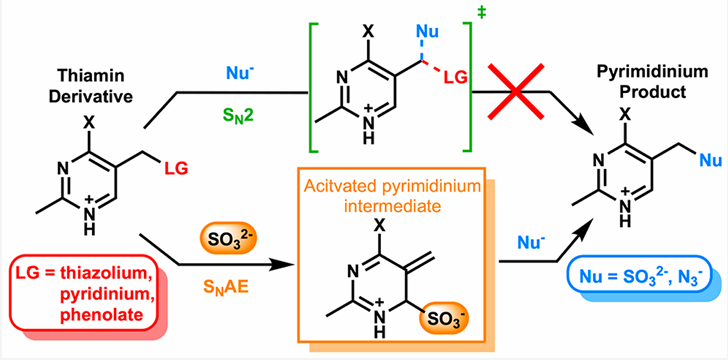
The internal tremors were most likely due to severely low ionized calcium. Unfortunately, ionized calcium levels were not checked at the emergency room. Instead, when I got to the emergency room, I was immediately checked for drug abuse as the tremors that I had started in my spine and moved outward. I looked as if I was having a drug overdose or withdrawal. I suspect that I was experiencing severe calcium dysregulation due to supplementation with potassium citrate and magnesium citrate (citrate binds to ionized calcium) as well as thiamine, inducing an “oxalate dump”. Thiamine can “mop up” sulfite, as when sulfite destroys thiamine, it actually forms an irreversible covalent bond.

Sulfite-Catalyzed Nucleophilic Substitution Reactions with Thiamin and Analogous Pyrimidine Donors Proceed via an SNAE Mechanism | The Journal of Organic Chemistry

When sulfite levels decrease, the inhibition of SAT-1 is released, and oxalate can move out of the liver in exchange for bicarbonate, chloride, or sulfate. During that emergency room visit, I was in hyperchloremic, non-anion gap acidosis, and chloride was likely serving as the anion exchanger for SAT-1 when sulfite levels decreased. Between the high amounts of oxalic acid in my blood, as well as supplemental citrate, ionized calcium levels likely plummeted. Luckily, I suspected I had hyperchloremia and asked that they not give me normal saline. Instead, I was given Lactated Ringer’s. Lactated Ringer’s contains 1.5 -3 mEq of calcium per liter. My tremors resolved! However, they did return on and off over the next several weeks and occasionally still occur due to the negative effects of elevated s-sulfocysteine on calcium regulation.

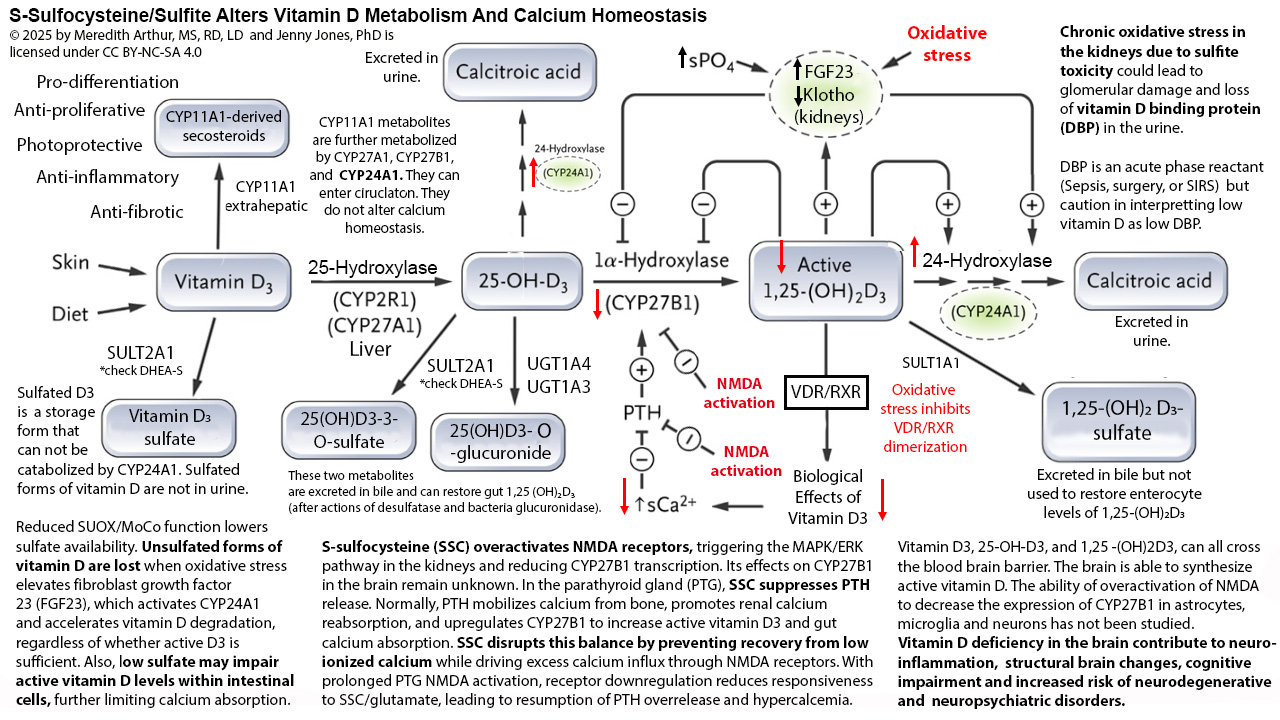
Below is a diagram that I have made to explain calcium dysregulation that occurs when sulfite accumulates and forms excessive s-sulfocysteine that acts like glutamate and can activate NMDA receptors in the kidney and parathyroid gland, causing alterations in calcium homeostasis. In the kidney, activation of NMDA receptors leads to decreased gene transcription for CYP27B1, resulting in decreased conversion of 25-hydroxyvitamin D3 to 1,25-dihydroxyvitamin D3. Typically, this decrease in active vitamin D eventually would lead to lower levels of calcium, but in response, the parathyroid gland would release parathyroid hormone (PTH) to trigger the release of calcium from bones, reuptake of calcium from the urine, and increase the activity of CYP27B1 in the kidneys. However, when NMDA receptors in the parathyroid gland are activated, PTH is not released. This leads to a state of hypoparathyroidism and low calcium.

No one should be excited about an oxalate dump!

Even though I was excited that Jenny was on the right road to recovery, she was not so excited about oxalate dumping, and rightly so. When oxalate begins to move out of tissues, it comes with disturbing symptoms such as crystals coming out of the tear ducts, stick-like structures coming out of pores, urinary tract irritation and burning, gastrointestinal distress, rashes, itching, and cloudy urine. Plus, it is possible that if kidney clearance of oxalate is poor, it can redistribute back into tissues in the body.

Many practitioners exist who you can turn to learn more about how to handle the symptoms of oxalate clearance. The purpose of this blog is to share the diagram below that explains how decreased SUOX function can lead to alterations in oxalate metabolism and to share my daughter’s ongoing dysfunction due to sulfite toxicity.

Zoey’s Oxalate Story

My daughter, Zoey, has struggled with high urinary oxalate levels on and off for most of her childhood, but since 2023, she has suddenly been “cured” of her hyperoxaluria per urology, except for the time she went to the emergency room with an adrenal crisis due to profuse vomiting after having two plantain muffins per day for four days. Hindsight revealed that this poisoning was due to a poorly written handout from a well-meaning dietitian who labeled plantains as low oxalate. Zoey has been on a low oxalate diet since age two after a Mosaic organic acid test showed urinary oxalate levels of 477 mmol/mol creatinine (normal range 6.8 -101 mmol/mol creatinine). I gave her plantain flour because her potassium was dropping very low, and plantain is a good source of potassium. However, instead of having 1 mg of oxalate per plantain, it can have up to 525 mg of oxalate per plantain. After she was released from the emergency room with “new onset cyclic vomiting syndrome” and a referral back to her current gastroenterologist, her labs were finally released to the online charting system. I was shocked to see that she had massive crystals in her urine and bladder. We were referred to metabolic genetics to check to see if she had primary hyperoxaluria, but they reported no gene alterations that would be pathogenic and result in high oxalate levels. Later, urology helped out by doing a 24-hour urinary stone risk assessment because my husband has a history of kidney stones.

But wait? What?! Zoey’s 24-hour urinary oxalate is low?!

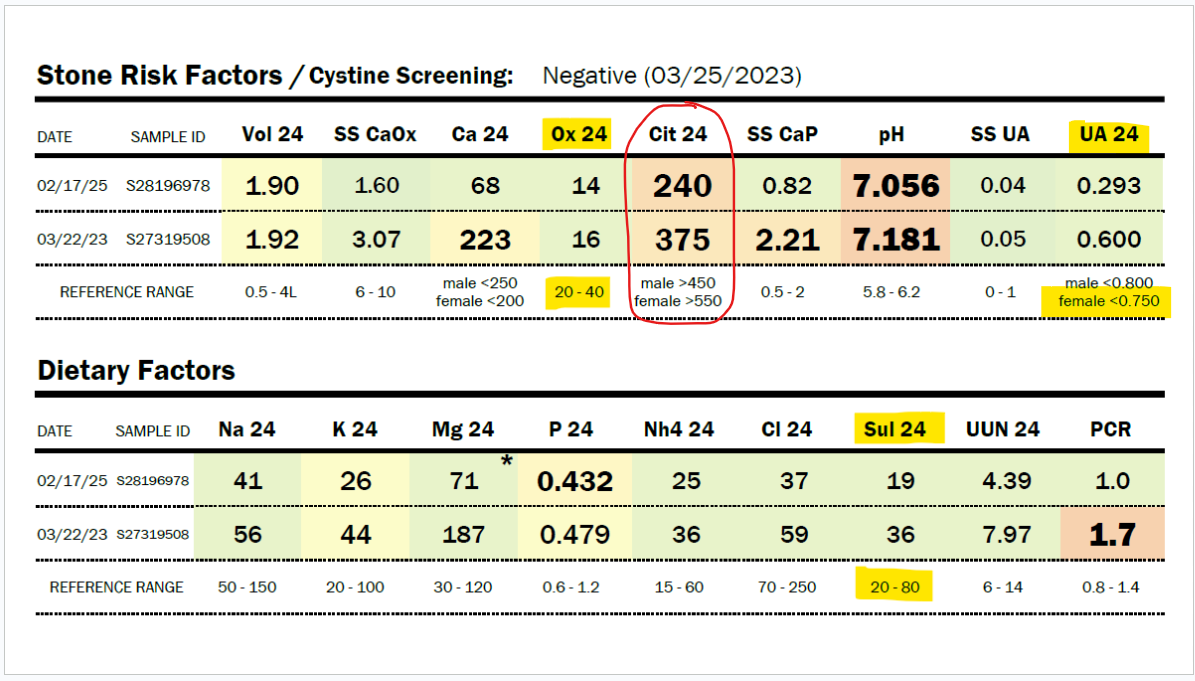
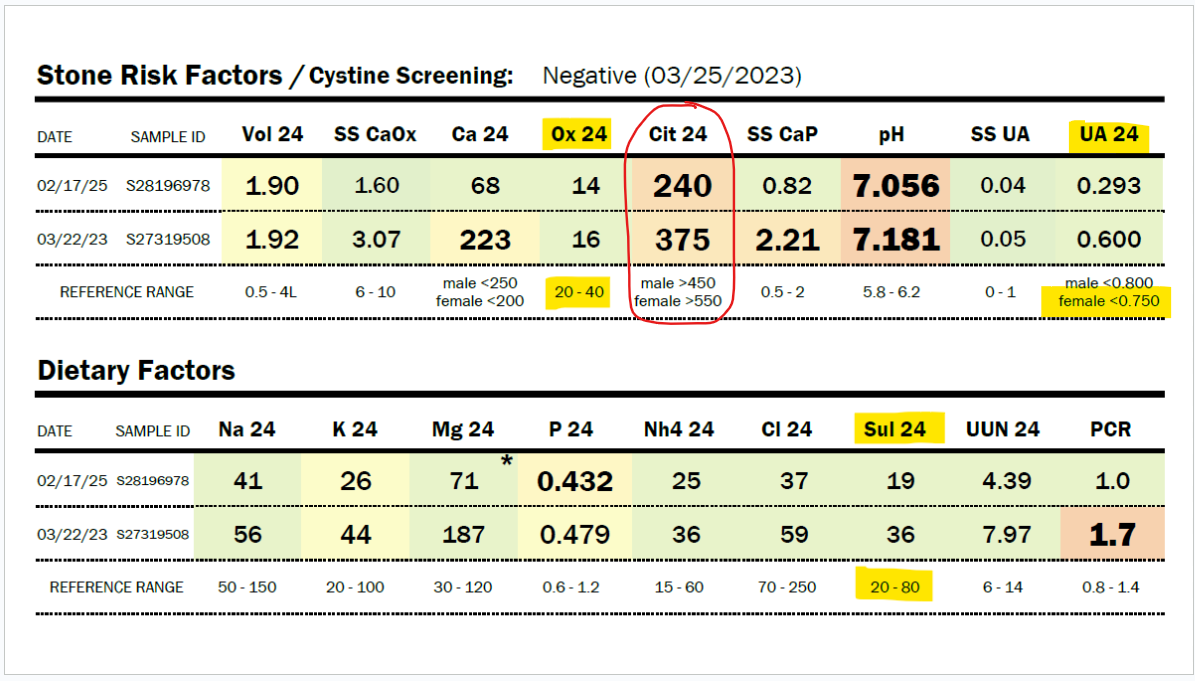
Due to her history of severe hyperoxaluria at the age of two years old, and a history of hydronephrosis, her physicians agreed to do a 24-hour urine collection, and she was found to have only 16 mg/24 hour of oxalate in 2023 (normal 20-40 mg/24 hour). In 2025, Zoey was found to have only 14 mg of oxalate in a 24-hour urine collection. Some might say that this just means she isn’t clearing oxalate in that 24-hour period, but Zoey’s stone risk assessment shows that the pH of her urine and her very low citrate levels would make her at risk for kidney stones. She has no stones. No evidence of oxalate leaving her body in excess.

My daughter has a history of sleep apnea. She should, in fact, be producing a large amount of oxalate daily, as sleep apnea increases myeloperoxidase activity, which increases the conversion of L-serine to glycolaldehyde, which becomes glycolate. Zoey has moderate to severe obstructive and central sleep apnea. Glycolate, as you can see in the diagram above, is converted to oxalate by the enzyme glycolate oxidase. In addition, sleep apnea increases the activity of xanthine oxidase. This should lead to very high uric acid levels, but Zoey’s 24-hour uric acid levels are below normal, as shown in the results immediately below this paragraph. They have decreased by half between 2023 and 2025, and she has not had improved sleep apnea. Also, her organic acid test in 2024 showed very high glycolate levels, but oxalate levels within the normal range on the Mosaic spot morning urine test (see below).

What’s going on with Zoey?

What I specifically think is happening to Zoey is that free sulfite toxicity in the liver can slow down oxalate production by inhibiting glycolate oxidase. Thiosulfate, which increases when sulfite oxidase isn’t working well, and sulfite can both inhibit the release of oxalate produced from hydroxyproline degradation. This causes the accumulation of oxalate in the liver. Having a below normal level of urinary oxalate on a 24-hour urine test or on an organic acid test is not necessarily a good thing. Having high glycolate and low oxalate certainly points to probable sulfite toxicity, as sulfite can decrease NADPH by inhibiting glucose-6-phosphate dehydrogenase, which is needed for GR/HPR conversion of glycolate to glyoxylate (which is metabolized to oxalate), as well as sulfite oxidase.

Basically, when sulfite is high, it means that whenever the body is increasing the production of glycolate, it is not being converted to glyoxylate, and also, when oxalate is produced from hydroxyproline degradation, the oxalate potentially stays in the liver. Zoey’s very low citrate levels could point to the fact that her liver is struggling with maintaining adequate movement of the TCA cycle. Oxalic acid can inhibit pyruvate carboxylase, leading to low levels of oxaloacetate and an overall decrease in citrate levels (acetyl CoA and oxaloacetate via the enzyme citrate synthase combine to form citrate).

However, in pyruvate carboxylase deficiency, typically, lactate and pyruvate are very high on organic acid testing. Hers was not, although this mosaic organic acid test was not done at the same time as the 24-hour urine test, so it could be possible that at the time of the 24-hour urine test, she was struggling more with pyruvate carboxylase deficiency. She also had normal lactate, pyruvate, and a normal L:P ratio.

Sulfite toxicity causes severe metabolic acidosis in the liver during sulfite oxidase deficiency. It could be at the time of this 24-hour urine test in March of this year, 2025, that she was suffering more from sulfite toxicity than when the Mosaic test was done in June 2024. You can see below her total urinary oxalate levels remain low (either from SAT-1 inhibition of oxalate release from the liver and/or sulfite inhibition of glycolate oxidase). She also has low uric acid levels, which is deemed normal, but due to hypoxia, Zoey should have high uric acid production from increased XO activity. And the number one issue that makes me believe that she has very low SUOX activity is the low urinary sulfate levels.

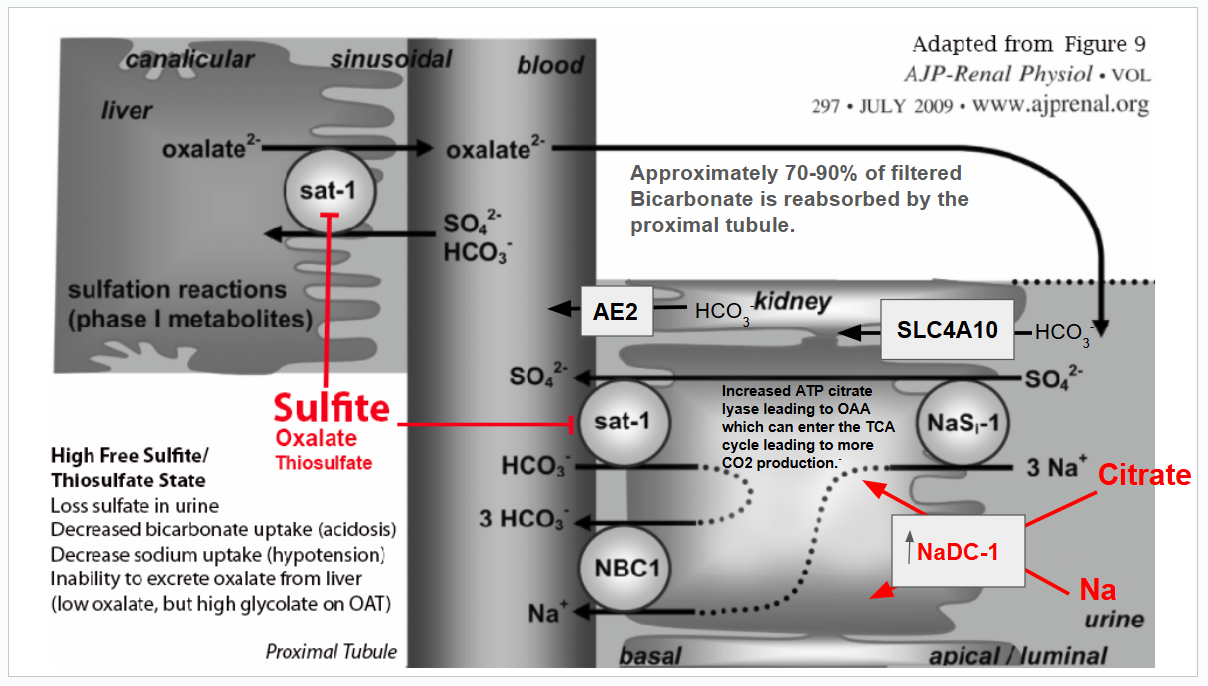
Although oxalate inhibition of pyruvate carboxylase is possible at the time of this 24-hour urine test, I suspect that the low urinary citrate is a byproduct of metabolic acidosis, coupled with SAT-1 inhibition by sulfite/thiosulfate. In response to any metabolic acidosis, whether SAT-1 is inhibited or not, the kidneys will increase NaDC-1, a sodium and citrate transporter that uptakes citrate from the urine while also increasing the expression of ATP citrate lyase. This enzyme converts citrate from the urine into OAA and acetyl-CoA in the cytosol of the proximal renal tubule. These are taken up into the mitochondria and metabolized through the TCA cycle. Isocitrate dehydrogenase and alpha-ketoglutarate dehydrogenase produce CO2, which helps to restore bicarbonate levels. Alpha-ketoglutarate dehydrogenase is a thiamine-dependent enzyme. Sulfite inactivates thiamine. (Sulfite-Catalyzed Nucleophilic Substitution Reactions with Thiamin and Analogous Pyrimidine Donors Proceed via an SNAE Mechanism | The Journal of Organic Chemistry) which could lead to less of a recovery from acidosis than should happen. In truth, Zoey is chronically in metabolic acidosis.

Zoey, The Suffering Sulfite Toxicity Trailblazer.

Why is she always struggling with sulfite?

Zoey has chronic obstructive and central sleep apnea, both of which contribute to the ongoing burden on sulfite oxidase and to the MoCo Steal that Jenny Jones, Ph.D. first described to me about two years ago. Obstructive sleep apnea increases xanthine oxidase activity, a MoCo-dependent enzyme. It also increases H2S production by the enzyme CBS and increases sulfite production from cysteine via CDO due to induction of the HIF-1alpha pathway. Zoey’s SUOX is highly burdened, and she appears not to have enough MoCo available at times, as evidenced by her lower uric acid levels.

My husband and I do our best to continuously put on her CPAP mask at night, but she takes it off throughout the night. We sometimes have a night nurse to assist with this, but not always. In addition, she has a genetic syndrome that truly alters her metabolism, including increasing the mRNA expression of MOCOS, an enzyme that converts MoCo to the form that is needed for AOX, XO, and XDH, but not the form needed by SUOX. (For my fellow MAND parents, you can find the alterations in mRNA expression of 448 genes in the supplemental files of this paper, Transcriptome analysis of MBD5-associated neurodevelopmental disorder (MAND) neural progenitor cells reveals dysregulation of autism-associated genes – PMC). MBD5-associated neuronal developmental disorder (MAND) is quite a puzzle to sort out. Although I may never get her fully out of sulfite toxicity, her suffering is helping others to find a way of escape.

Be thankful for Zoey.

Despite appearing normal from a urology standpoint, Zoey’s overall health is suffering from sulfite!

What concerns me the most and is now quite obvious to me after studying intensively about MoCo and SUOX after Jenny Jones, PhD, shared her MoCo Steal Theory of sulfite toxicity, is that Zoey does NOT have enough sulfate in her urine. Her urinary sulfate levels are below normal for her age, and in Autism we usually see urinary sulfate wasting, not low urinary sulfate levels. ((PDF) Sulphur Metabolism in Autism) I believe that Zoey is struggling with chronic sulfite toxicity and molybdenum cofactor deficiency to the point that she doesn’t even have enough sulfate available to experience sulfate wasting.

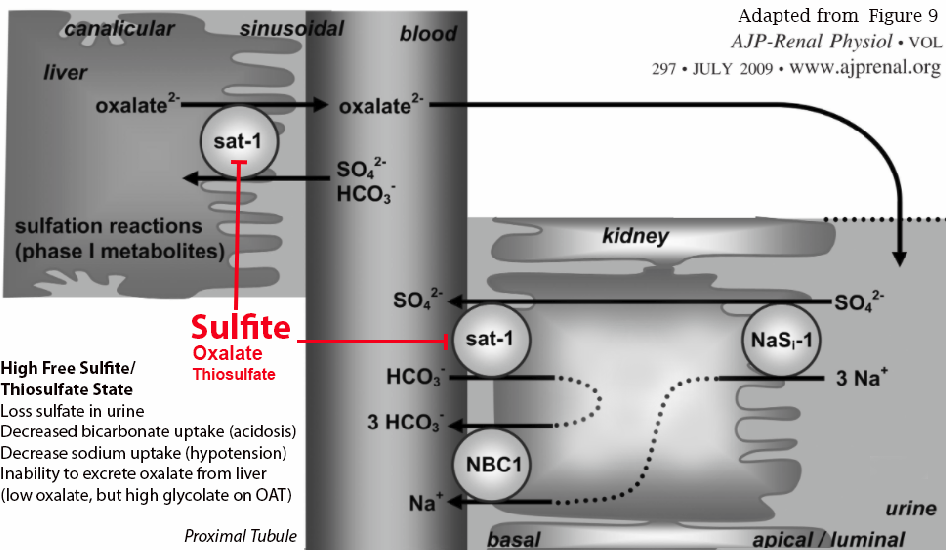
Inhibition of SAT-1 transporters in the liver and kidneys by sulfite, oxalate, and thiosulfate. Thiosulfate is also a source of sulfate if metabolized first to sulfite and then to sulfate by sulfite oxidase in the kidneys. Typically, in Autism, you see high levels of thiosulfate, sulfite, and sulfate. In severe sulfite oxidase deficiency, sulfate production is so low that urinary sulfate levels are diminished. High urinary sulfate wasting may be a marker for SAT-1 inhibition by oxalate, sulfite, or both, but very low urinary sulfate levels could indicate a severe sulfite oxidase deficiency.
Diagram reference: Ability of sat-1 to transport sulfate, bicarbonate, or oxalate under physiological conditions

I have asked multiple doctors on her team to order a sulfite oxidase deficiency panel from Mayo Clinic. Still, I have received zero responses because it is not their area of expertise. They feel that if the results show sulfite oxidase deficiency, they won’t be able to provide a treatment plan. I do hope that our nephrologist will help by ordering the test from Mayo when we follow up in a few weeks. However, I’m confident that I am doing the best that I can to help Zoey with this issue.

As the 24-hour urine testing was last done in March of this year, I wanted to see if we have made any progress towards meeting Zoey’s nutrition needs to maximize the synthesis of molybdenum cofactor and sulfite oxidase. I recently sent her urine off to Diagnostic Laboratory Solutions to see if her SSC levels are high. On nights that Zoey has insomnia, which can be caused by SSC due to its acting like a glutamate in the brain, Zoey’s morning urine is at least 10 ppm on a water sulfite testing strip. However, I would like to see her SSC levels. I truly wish I had known about the OMX test from DLS sooner. I do hope that her SSC is not high now that we have worked on many cofactors to help with increasing the production of MoCo and SUOX. I will post an update when I get those labs back.

OMX Organic Metabolomics Profile | Advanced Organic Acids and Amino Acids Profile | Diagnostic Solutions Laboratory

So, has Zoey “dumped” oxalate yet?

No, she has not.

Will I celebrate the day she does have an oxalate dump?

Yes, I will. This will mean that she is no longer sulfite toxic.

************************************************************************************

ALDH enzymes are inhibited by oxidative sSulfite and Thiosulfate Alter the Metabolic Processing of Oxalate © 2025 by Meredith Arthur, MS, RD, LD and Jenny Jones, Ph.D. is licensed under CC BY-NC-ND 4.0tress-induced increases in GSSH, CysSSH, and exogenous persulfides such as garlic-derived trisulfides.

  1. Is Aldehyde Dehydrogenase Inhibited by Sulfur Compounds? In Vitro and in Vivo Studies.
  2. A Regulatory Cysteine Residue Mediates Reversible Inactivation of NAD-Dependent Aldehyde Dehydrogenases to Promote Oxidative Stress Response.
  3. Redox Signaling Regulated by Cysteine Persulfide and Protein Polysulfidation.
  4. Reactive Cysteine Persulfides and S-Polythiolation Regulate Oxidative Stress and Redox Signaling.
  5. Mechanism of Sulfite Cytotoxicity in Isolated Rat Hepatocytes.
  6. Role of Aldehyde Dehydrogenases in Physiopathological Processes.
  7. Cross-Talk Between (Hydrogen)Sulfite and Metalloproteins: Impact on Human Health.

Alterations in SLC26 family of oxalate transporters by sulfite and thiosulfate

  1. Pathophysiology and Treatment of Enteric Hyperoxaluria.
  2. Oxalate Homeostasis.
  3. Ability of Sat-1 to Transport Sulfate, Bicarbonate, or Oxalate Under Physiological Conditions.
  4. Absence of the Sulfate Transporter SAT-1 Has No Impact on Oxalate Handling by Mouse Intestine and Does Not Cause Hyperoxaluria or Hyperoxalemia.
  5. Urolithiasis and Hepatotoxicity Are Linked to the Anion Transporter Sat1 in Mice
  6. Physiological Roles of Renal Anion Transporters NaS1 and Sat1.
  7. A Defect in Molybdenum Cofactor Binding Causes an Attenuated Form of Sulfite Oxidase Deficiency
  8. Isolated Sulfite Oxidase Deficiency
  9. Slc26 Family of Anion Transporters in the Gastrointestinal Tract: Expression, Function, Regulation, and Role in Disease
  10. The SLC26 Gene Family of Anion Transporters and Channels.
  11. The Enigmatic SLC26A6 Multifunctional Anion Transporter: Recent Advances in Structure-Function Relationship, Pathophysiological Significance and Novel Pharmacological Inhibitors
  12. Structural and Functional Properties of the Transporter SLC26A6 Reveal Mechanism of Coupled Anion Exchange
  13. SLC26 Anion Transporters.
  14. Sulfate and Thiosulfate Inhibit Oxalate Transport via a dPrestin (Slc26a6)-Dependent Mechanism in an Insect Model of Calcium Oxalate Nephrolithiasis.
  15. Characterization of Renal NaCl and Oxalate Transport in Slc26a6 Mice.
  16. Renal and Intestinal Transport Defects in Slc26a6-Null Mice.
  17. Essential Roles of CFEX-mediated Cl(-)-Oxalate Exchange in Proximal Tubule NaCl Transport and Prevention of Urolithiasis.
  18. Pathophysiology and Treatment of Enteric Hyperoxaluria.
  19. Regulation of the expression of the hepatocellular sulfate-oxalate exchanger SAT-1 (SLC26A1) by glyoxylate: a metabolic link between liver and kidney? – PubMed

Oxidative Stress Induces Metalloprotease, which Increases hydroxyproline catabolism

  1. Human Matrix Metalloprotease Activation by Insults of Bacterial Infection Involving Proteases and Free Radicals.
  2. Activation of Matrix Metalloproteinases by Peroxynitrite-Induced Protein S-Glutathiolation via Disulfide S-Oxide Formation.
  3. Mitochondrial Redox Control of Matrix Metalloproteinases.
  4. Oxidative Stress Augments the Production of Matrix Metalloproteinase-1, Cyclooxygenase-2, and Prostaglandin E2 Through Enhancement of NF-kappa B Activity in Lipopolysaccharide-Activated Human Primary Monocytes
  5. Redox-Sensitive Gene-Regulatory Events Controlling Aberrant Matrix Metalloproteinase-1 Expression.
  6. Hydrogen Peroxide (H2O2) Increases the Steady-State mRNA Levels of Collagenase/­MMP-1 in Human Dermal Fibroblasts.
  7. Regulation of Matrix Metalloproteinases by Cytokines and Reactive Oxygen/­Nitrogen Species in the Myocardium.
  8. Catalase Restores the Altered mRNA Expression of Collagen and Matrix Metalloproteinases by Dermal Fibroblasts Exposed to Reactive Oxygen Species.
  9. Molecular Mechanism for Activation and Regulation of Matrix Metalloproteinases During Bacterial Infections and Respiratory Inflammation.
  10. Collagenase Expression and Activity Is Modulated by the Interaction of Collagen Types, Hypoxia, and Nutrition in Human Lung Cells.
  11. Matrix Metalloproteinase Collagenolysis in Health and Disease.
  12. Proline Metabolism and Microenvironmental Stress.

NMDA receptor overactivation can lead to increased collagen degradation by inducing 1,25 OH-D deficiency

  1. Sustained Activation of Renal N-Methyl-D-Aspartate Receptors Decreases Vitamin D Synthesis: A Possible Role for Glutamate on the Onset of Secondary HPT.
  2. Vitamin D Deficiency.
  3. Vitamin D Physiology.
  4. Bone Resorption Markers in Vitamin D Insufficiency.
  5. Vitamin D for the Prevention of Disease: An Endocrine Society Clinical Practice Guideline.
  6. S-Sulfocysteine/­NMDA Receptor-Dependent Signaling Underlies Neurodegeneration in Molybdenum Cofactor Deficiency.
  7. Molybdenum Cofactor Deficiency.

Hypoxia Inducible Factor One Alpha Related to Hydroxyproline and Oxalate Production

  1. HIF1α Is a Central Regulator of Collagen Hydroxylation and Secretion Under Hypoxia During Bone Development.
  2. Hypoxia-Inducible Factor Prolyl 4-Hydroxylases: Common and Specific Roles.
  3. Proline Hydroxylation and Gene Expression.
  4. Structural Basis for the Recognition of Hydroxyproline in HIF-1 Alpha by pVHL.
  5. Hypoxia-Inducible Factor-1 (HIF-1).
  6. Modulation of the Hypoxic Response.
  7. Protein Hydroxylation by Hypoxia-Inducible Factor (HIF) Hydroxylases: Unique or Ubiquitous?.
  8. Cellular Signal Transduction of the Hypoxia Response.
  9. The Regulatory Mechanisms of Proline and Hydroxyproline Metabolism: Recent Advances in Perspective.
  10. The New Insight Into the Role of Hydroxyproline in Metabolism of Cancer Cells.
  11. Proline Metabolism and Microenvironmental Stress.
  12. Global Metabolic Profiling Identifies a Pivotal Role of Proline and Hydroxyproline Metabolism in Supporting Hypoxic Response in Hepatocellular Carcinoma.

B1 acts as a sulfite mopper upper (and is destroyed by sulfite)

  1. Sulfite-Catalyzed Nucleophilic Substitution Reactions with Thiamin and Analogous Pyrimidine Donors Proceed via an SNAE Mechanism | The Journal of Organic Chemistry

Low citrate could be caused by oxalate inhibition of pyruvate carboxylase

  1. The Clinical and Biochemical Implications of Pyruvate Carboxylase Deficiency.
  2. Pyruvate Carboxylase Deficiency: Mechanisms, Mimics and Anaplerosis.
  3. Inhibitors of Pyruvate Carboxylase – PMC
  4. Metabolic effects of oxalate in the perfused rat liver – PubMed

Sleep apnea increases XO, HIF-1alpha, CDO and CBS

  1. Hypoxia-inducible factors and obstructive sleep apnea – PMC
  2. Hypoxia Inducible Factors and Hypertension: Lessons from Sleep Apnea Syndrome – PMC
  3. HIF-1α Activation by Intermittent Hypoxia Requires NADPH Oxidase Stimulation by Xanthine Oxidase – PMC
  4. Long-Term Intermittent Hypoxia Elevates Cobalt Levels in the Brain and Injures White Matter in Adult Mice – PMC
  5. Xanthine oxidase mediates hypoxia-inducible factor-2α degradation by intermittent hypoxia – PubMed
  6. Hypoxia-inducible factors regulate human and rat cystathionine β-synthase gene expression – PubMed
  7. Hypoxia-inducible factor induces cysteine dioxygenase and promotes cysteine homeostasis in Caenorhabditis elegans | eLife

Sulfite inhibits G-6-Phosphate Dehydrogenase

  1. Bezafibrate Prevents Mitochondrial Dysfunction, Antioxidant System Disturbance, Glial Reactivity and Neuronal Damage Induced by Sulfite Administration in Striatum of Rats: Implications for a Possible Therapeutic Strategy for Sulfite Oxidase Deficiency.
  2. The Mitochondrial-Targeted Reactive Species Scavenger JP4-039 Prevents Sulfite-Induced Alterations in Antioxidant Defenses, Energy Transfer, and Cell Death Signaling in Striatum of Rats.
  3. In Vitro Evidence That Sulfite Impairs Glutamatergic Neurotransmission and Inhibits Glutathione Metabolism-Related Enzymes in Rat Cerebral Cortex.

ALDH2 deficiency and heart failure.

  1. Aldehyde dehydrogenase 2 activation in heart failure restores mitochondrial function and improves ventricular function and remodelling – PubMed ;
  2. Aldehyde dehydrogenase 2 and arrhythmogenesis
  3. Cardiac Mitochondrial Respiratory Dysfunction and Tissue Damage in Chronic Hyperglycemia Correlate With Reduced Aldehyde Dehydrogenase-2 Activity.
  4. Aldehyde Dehydrogenase 2 Activation in Heart Failure Restores Mitochondrial Function and Improves Ventricular Function and Remodelling.
  5. Mitochondrial Aldehyde Dehydrogenase and Cardiac Diseases.

The kidneys response to metabolic acidosis by increasing citrate uptake and metabolism.

  1. Acid-Base Transport by the Renal Proximal Tubule.
  2. Molecular Pathophysiology of Acid-Base Disorders.
  3. Structure, Function, and Regulation of the SLC4 NBCe1 Transporter and Its Role in Causing Proximal Renal Tubular Acidosis.
  4. Physiologic and Molecular Aspects of the Na+:HCO3- Cotransporter in Health and Disease Processes.
  5. Proximal Tubule Function and Response to Acidosis.

Glutamate/S-sulfocysteine alters in calcium homeostasis by altered CYP27B1 and PTH release

  1. Sustained Activation of Renal N-Methyl-D-Aspartate Receptors Decreases Vitamin D Synthesis: A Possible Role for Glutamate on the Onset of Secondary HPT.
  2. Hypercalcemia: A Review.
  3. N-Methyl-D-Aspartate Receptors Are Expressed in Rat Parathyroid Gland and Regulate PTH Secretion.
  4. Genomic Mechanisms Controlling Renal Vitamin D Metabolism.

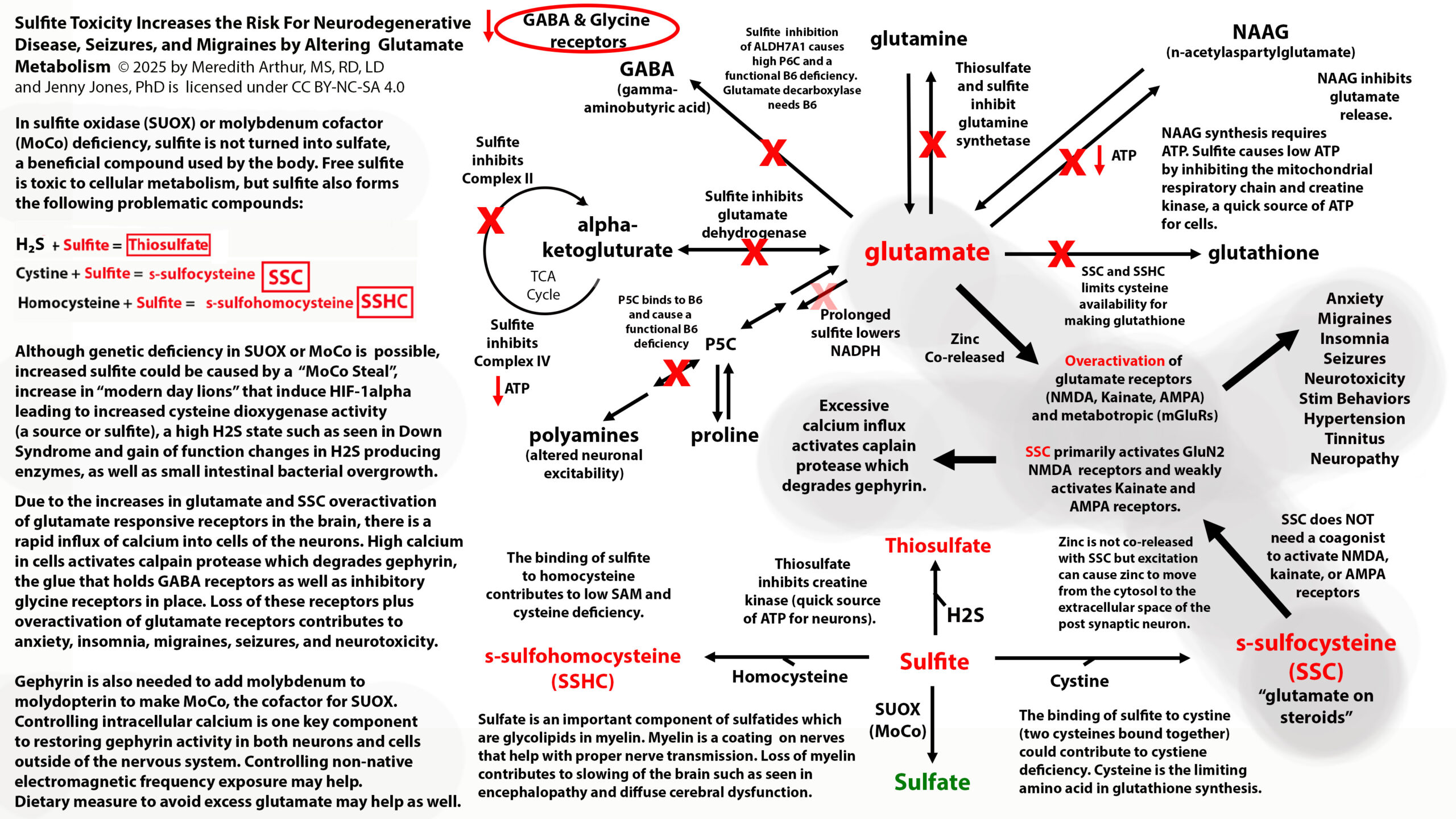
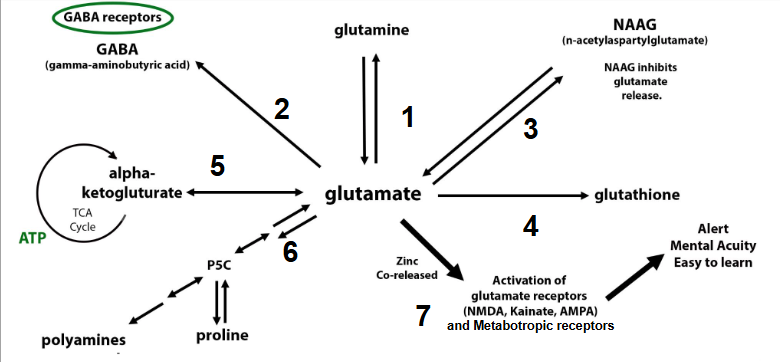
Sulfite Toxicity Alters Glutamate Metabolism and Increases the Risk for Neurodegenerative Disease. (UNDER CONSTRUCTION – MORE TO WRITE…but here is the diagram)

Sulfite toxicity in sulfite oxidase (SUOX) or molybdenum cofactor (MoCo) deficiency can lead to neurotoxicity due to the excessive production of s-sulfocysteine (SSC). It’s possible to have a genetic predisposition to decreased SUOX and/or MoCo. However, something to consider is that the current state of our environment can lead to what I like to call “endgame enzyme burnout”. Hypoxia, infections, and other “modern-day lions” can lead to increases in sulfite via the HIF-1alpha pathway induction of cysteine dioxygenase. Neutrophils produce sulfite in response to infections. As sulfite levels increase beyond the capacity of SUOX, sulfite alters glutamate metabolism and brain bioenergetics.

7 PATHWAYS FOR GLUTAMATE CAN ENTER

  1. Neurones express glutamine synthetase when deprived of glutamine or interaction with astrocytes – PubMed
  2. Astrocytic Control of Biosynthesis and Turnover of the Neurotransmitters Glutamate and GABA – PubMed
  3. Glial Glutamine Homeostasis in Health and Disease – PubMed
  4. Neurones express glutamine synthetase when deprived of glutamine or interaction with astrocytes – PubMed
  5. Glial Glutamine Homeostasis in Health and Disease – PubMed

Disrupted de novo pyrimidine biosynthesis impairs adult hippocampal neurogenesis and cognition in pyridoxine-dependent epilepsy – PMC

Inactivation of gamma-glutamylcysteine synthetase, but not of glutamine synthetase, by S-sulfocysteine and S-sulfohomocysteine.

Effects of Ingested Sulfite on Glutamate Synthesis and Release in the Rat Hippocampus | Neurochemical Journal

Inhibition of succinic semialdehyde dehydrogenase activity by alkenal products of lipid peroxidation – ScienceDirect

Inhibition of GABA shunt enzymes’ activity by 4-hydroxybenzaldehyde derivatives – PubMed

Brain succinic semialdehyde dehydrogenase: identification of reactive lysyl residues labeled with pyridoxal-5′-phosphate – PubMed

Volatile carbonylic compounds in downtown Santiago, Chile – PubMed

RIFM fragrance ingredient safety assessment, p-tolualdehyde, CAS Registry Number 104-87-0 – PubMed

Cysteine, sulfite, and glutamate toxicity: a cause of ALS? – PubMed

Sulfite Impairs Bioenergetics and Redox Status in Neonatal Rat Brain: Insights into the Early Neuropathophysiology of Isolated Sulfite Oxidase and Molybdenum Cofactor Deficiencies | Cellular and Molecular Neurobiology

Increased ROS levels, antioxidant defense disturbances and bioenergetic disruption induced by thiosulfate administration in the brain of neonatal rats – PubMed

Disturbance of brain energy and redox homeostasis provoked by sulfite and thiosulfate: potential pathomechanisms involved in the neuropathology of sulfite oxidase deficiency – PubMed

Astrocytes regulate inhibitory neurotransmission through GABA uptake, metabolism, and recycling | Essays in Biochemistry | Portland Press

GABAB receptor-mediated activation of astrocytes by gamma-hydroxybutyric acid

(PDF) Astrocytic Dysfunction and Addiction: Consequences of Impaired Glutamate Homeostasis

Frontiers | Disturbance of the Glutamate-Glutamine Cycle, Secondary to Hepatic Damage, Compromises Memory Function

Glutathione in the Brain – PMC

Sci-Hub | Disturbance of brain energy and redox homeostasis provoked by sulfite and thiosulfate: Potential pathomechanisms involved in the neuropathology of sulfite oxidase deficiency. Gene, 531(2), 191–198 | 10.1016/j.gene.2013.09.018

Disruption of Energy Transfer and Redox Status by Sulfite in Hippocampus, Striatum, and Cerebellum of Developing Rats – PubMed

Disruption of Energy Transfer and Redox Status by Sulfite in Hippocampus, Striatum, and Cerebellum of Developing Rats – PubMed

Evidence that Thiosulfate Inhibits Creatine Kinase Activity in Rat Striatum via Thiol Group Oxidation – PubMed

Increased ROS levels, antioxidant defense disturbances and bioenergetic disruption induced by thiosulfate administration in the brain of neonatal rats – PubMed

In vitro evidence that sulfite impairs glutamatergic neurotransmission and inhibits glutathione metabolism-related enzymes in rat cerebral cortex – PubMed

S-Sulfocysteine’s toxic effects on HT-22 cells are not triggered by glutamate receptors, nor do they involve apoptotic or genotoxicity mechanisms – PubMed

Loss of postsynaptic GABA(A) receptor clustering in gephyrin-deficient mice – PubMed

Gephyrin is critical for glycine receptor clustering but not for the formation of functional GABAergic synapses in hippocampal neurons – PubMed

Reduced synaptic clustering of GABA and glycine receptors in the retina of the gephyrin null mutant mouse – PubMed

Glycinergic and GABAergic synaptic transmission are differentially affected by gephyrin in spinal neurons – PubMed

Molecular basis of the γ-aminobutyric acid A receptor α3 subunit interaction with the clustering protein gephyrin – PubMed

Molecular basis of the alternative recruitment of GABA(A) versus glycine receptors through gephyrin – PubMed

Gephyrin, the enigmatic organizer at GABAergic synapses – PubMed

(PDF) Gephyrin: a central GABAergic synapse organizer

S-sulfocysteine/NMDA receptor–dependent signaling underlies neurodegeneration in molybdenum cofactor deficiency – PMC

Gou Teng

Ramulus Uncariae cum Uncis (Uncaria Rhynchophylla) Tincture, Organic Dried Stalks Liquid Extract

Above is an affiliate link for Gou Teng. Please consult with your healthcare provider before using any herbal supplement. The proceeds from this affiliate link will be used to establish a grant fund for individuals suffering from sulfite toxicity who are financially disadvantaged.

CAUTION:

If you have low blood pressure, Gou Teng may not be the right supplement for you to slow down an overactive NMDA receptor from S-sulfocysteine. It is also a generalized calcium channel blocker which can cause low blood pressure and slow heart rate (hypotension and bradycardia).

Here is a link to a website that explains the benefits of Gou Teng, as well as links to relevant journal articles. Gou Teng – NutraPedia

Protracted Withdrawal is Sensitivity to the Sulfite Paradox and Modern-day Lions

Protracted Withdrawal is Sensitivity To the Sulfite Paradox and Modern-day Lions

© 2025 by Meredith Arthur, MS, RD, LD is licensed under CC BY-NC-SA 4.0 

Last night, Jan’s husband held off washing the dishes after dinner because Jan wanted a super hot bath as a treat after a long day of caring for her rambunctious children. Jan suffers from extreme premenstrual syndrome and has been diagnosed with premenstrual dysphoric disorder (PMMD), which makes her easily irritated with her children before the onset of her period. She was prescribed selective serotonin reuptake inhibitors (SSRI) and Xanax, a benzodiazepine, to help with her anxiety and mood swings during high school and continued them through college. After graduation and getting married, she decided to go holistic in preparation for having children, so she weaned off the pharmaceuticals but experienced severe withdrawal symptoms. She and her husband, Dave, had three lovely children in the past five years after she successfully got off of benzos and recovered from withdrawal. Those scary days haunted her, and she always worried about relapsing into the nightmare. Now, she naturally treats her PMMD, including soothing baths to ease tension. Her baths were usually hot but not as hot as she wanted, and her husband knew that and knew she truly needed something to calm her very on-edge body that night. 

Jan felt a bit dizzy after the bath but headed off to bed immediately and fell fast asleep until around 2 AM when, to her horror, her heartbeat woke her up. The familiar pounding sensation couldn’t be real! How is this possible? She sat up in bed and immediately felt nauseous. She was going to vomit. She stood up and realized her feet were on fire, and her muscles were so tight that each step felt like stabbing pains. As she stumbled to the bathroom, her anxiety increased, and she felt the air hunger hit hard.  She screamed in horror, “No. It’s back. I’m not okay. I’m not okay. I’m not okay,” while she sank to the floor next to the toilet. Dave, startled from sleep, ran into the bathroom and squatted next to her. He was scared to touch her because he knew she might not be able to handle his touch now. He had spent years waiting to be able to feel her soft skin with his hands, and tears streamed down his face as he realized it would be a long time before her body felt safe enough for a hug. They both stared at each other in terror. How could this be possible? Life was so good. 

***********************************************************************************************************Often, in the protracted withdrawal community, people are told, “Only time can heal.” Well, if a moment in time like the one above can undo healing, how is time the only thing that can heal? ***********************************************************************************************************

Time does heal the brain. It takes time to restore GABA-A synapses, but why does a moment in time like the one above seemingly undo all the healing, causing setbacks sometimes to the point of being in acute withdrawal? 

One metabolite that all humans share in varying degrees that can damage GABA-A synapses when made in excess in the human body is a derivative of sulfite, s-sulfocysteine (SSC). What if the quantity of s-sulfocysteine and sulfite determines your ability to stay healed in your body at any given moment? What if these moments in time that undo all the healing that time provides is an uptick in a naturally occurring compound that we all make every day? What if finding and avoiding triggers that increase this compound and getting better at sulfite metabolism is the key to getting and staying healed?

Knowledge is the antidote to fear,- Knowledge, Use and Reason, with its higher aids. – Ralph Waldo Emerson

Meredith Arthur, MS, RD, LD believes that protracted withdrawal is an increased sensitivity to the Moco Steal and Sulfite Paradox, described by herself and Jenny Jones, PhD. This paradox is caused by an interplay between an immune and hypoxia pathway called hypoxia-inducible factor one alpha (HIF-1alpha) and a pathway called transsulfuration, where hydrogen sulfide, glutathione, taurine, thiosulfate, and sulfate are made. The triggering of the HIF-1alpha pathway leads to an increase in an enzyme called cysteine dioxygenase (CDO), leading to an overall rise in sulfite production, which must be metabolized to sulfate. Sulfate plays beneficial roles in the body, such as making healthy collagen, connective tissue, and myelin (a coating on nerves that makes them run smoothly), as well as being used for detoxifying toxins and hormone metabolism. 

Sulfite, however, is destructive to the body. To deal with excess sulfite that isn’t made into sulfate, the body will bind it to cystine (two cysteine amino acids bound together) to produce s-sulfocysteine (SSC). Everyone makes SSC daily in varying amounts. Chris Masterjohn, PhD, provides an excellent summary of the variations in SSC among humans, and says, “You would think something that is present in everyone’s urine and varies 50-fold that happens to activate NMDA receptors and cause neurological degeneration could be a powerful explanation for a major part of the variability in trait anxiety, muscle tension, ease of being startled, and the risk of neurological and psychiatric disorders.” Meredith and Jenny agree with Chris’s astute observation and believe that individuals in their Facebook support group, The MoCo Steal: Escaping From the Sulfite Paradox, tend to be more sensitive to the damaging effects of SSC, but also sulfite itself. They believe that our members who have protracted withdrawal are struggling with elevated levels of SSC and sulfite toxicity.

Why, then, would humans even make this damaging version of sulfite? Meredith believes that during a period of increased need for the HIF-1alpha pathway, SSC can serve as an activator of NMDA receptors found in the brain, causing mental alertness and alterations in the metabolism of other organs throughout the body that have NMDA receptors. These alterations are required during a period of metabolic or immune stress. The issue arises when HIF-1alpha remains on for too long, leading to prolonged increases in CDO and sulfite, as seen in the diagram below. 

When excess sulfite accumulates, it can inhibit glutamate dehydrogenase activity, leading to an accumulation of glutamate and nerve damage. At the same time, sulfite can cause a functional B6 deficiency that causes a loss of the conversion of glutamate to GABA. GABA calms down nerve excitation. Even worse, as shown in the upper right-hand corner of the diagram above, excess SSC leads to a loss of GABAergic synapses. SSC or other metabolites over-activate NMDA receptors in the brain, leading to an excess amount of calcium entering cells. This activates calpain protease, which breaks down gephyrin, a glue that holds the GABA-A receptors in place. Loss of gephyrin leads to a high excitatory state in the brain due to the excessive activation of NMDA receptors without an adequate inhibitory response from GABA-A synapses. This loss of the glue, gephyrin, that holds GABA-A synapses in place is a contributor to insomnia, anxiety, nerve pain, and seizure disorder

In addition, sulfite inhibits the process of methionine salvage by binding to B12 as well as by inhibiting the production of betaine, both of which are needed for restoring methionine levels to provide s-adenosyl methionine (SAM) required to make the molybdenum cofactor that is necessary for the enzyme sulfite oxidase. SSC, again, destroys gephyrin. Gephyrin isn’t just a glue that holds GABA receptors in place, but it is also the glue that sticks molybdenum into molydopterin to make MoCo. Without gephyrin, we can’t incorporate molybdenum into MoCo, no matter how much molybeneum is consumed. Thus, once out of control, sulfite prevents its metabolism by destroying the ability to make the cofactor for sulfite oxidase, MoCo, needed for its metabolism. 

SSC Contributes to Tolerance

Individuals with high SSC levels feel anxious and have muscle spasms, insomnia, and sometimes seizures. They will often be prescribed benzodiazepines, which bind to what little GABA-A receptors are left and can calm down the excitatory actions of SSC. However, at some point, due to excessive activation of NMDA receptors and loss of gephyrin, the GABA-A receptors are no longer present in large enough quantities for any benzodiazepines to have a therapeutic effect. It is at this point that Meredith thinks that individuals on benzodiazepines experience “tolerance” and are weaned off of the drug as it is no longer working. 

S-Sulfocysteine Helps Us Escape A Lion

One way to think of SSC is that it is a chemical that helps us escape a lion. Of course, none of us are escaping actual lions right now. However, modern-day lions induce the HIF-1alpha pathway, as depicted in the diagram below on the left. Any of these lions can lead to the overproduction of SSC and sulfite with the downstream damaging effects on health and metabolism shown in the diagram. 

Even stressful moments, such as the loss of a loved one, the loss of a job, a divorce, or a massive unexpected bill, can lead to increases in adrenaline and norepinephrine that encourage unhealthy gut bacteria to grow. These unhealthy bacteria lead to bacterial toxins and leaky gut that induce the HIF-1alpha pathway and CDO and sulfite production. So, even that stressful moment in life can lead to an uptick in sulfite and SSC production and anxiety.

Jan, in the introduction, experienced low blood pressure due to a very hot bath while experiencing PMMD. Right before a woman’s period, the body has a surge of estrogen, which induces the HIF-1alpha pathway, but low blood pressure also induces the HIF-1alpha pathway.  This leads to increased expression of CDO, resulting in more sulfite and SSC, leading to symptoms of protracted withdrawal. Often, individuals with protracted withdrawal are unable to pinpoint the exact cause of their regression into torment, and this may be due to HIF-1alpha being induced by many different unforeseen alterations in metabolism and sometimes circumstances beyond a person’s control. However, Dr. Jones and Meredith are working together to identify HIF-1alpha triggers, of which many are listed in the diagram above, to mitigate the uptick in this pathway in individuals vulnerable to sulfite and SSC toxicity. 

Too much SSC because HIF-1alpha is stuck in the “on” mode!

Meredith believes that HIF-1alpha is stuck in an “on” mode for too long, leading to excess SSC production, but in the past, it was beneficial when truly running from danger. For the sake of simplicity, let’s use low oxygen and running from a lion as an example. While running from a lion, oxygen is used up quickly. When oxygen goes low in a cell, it induces the HIF-1alpha pathway, which increases CDO activity. This results in more production of sulfite and more SSC. SSC then fires up NMDA receptors in the central and peripheral nervous systems, which gives a sense of alertness, allowing us to identify if any more lions are hiding in the bushes ahead of us. This HIF-1alpha pathway also increases the total amount of blood vessels in the muscles so that the next time the lion attacks, more oxygen will be available to those tissues so that if the escape ever turns into a long-distance sprint, our muscles will be ready. 

HIF-1alpha increases CDO activity, but it also changes metabolism so that a person makes energy quickly from glucose, which comes from carbohydrates (bread, cereal, rice, pasta, fruit, and vegetables). It also helps send glucose through a pathway called the pentose phosphate shunt that makes NADPH. NADPH helps recycle glutathione, a master antioxidant, from its used-up state (oxidized) to its fresh state (reduced). This reduced glutathione can mop up the oxidative stress that is happening. This change in metabolism can happen in any cell, including immune cells, to give them energy to fight infections. Unfortunately, excess sulfite can inhibit the enzyme that starts the pentose phosphate shunt, glucose-6-phosphate dehydrogenase, causing low levels of NADPH. Sulfite can also bind to oxidized glutathione, making recycling it back to reduced glutathione impossible. 

Excess sulfite, however, should be metabolized to sulfate, not remain as sulfite. If done well, the intersection of HIF-1alpha and the transsulfuration pathway helps to increase the total amount of sulfate available in the body. This is if the enzyme that helps to make sulfate, sulfate oxidase (SUOX), is working well. SUOX is the end-game enzyme needed to prevent a feed-forward cycle that keeps the HIF-1alpha pathway turned on. This is because both SSC and sulfite will induce the HIF-1alpha pathway, which is explained in more detail in the summary of the MoCo Steal Leads to a Sulfite Paradox. Unfortunately, someone with acquired or genetic SUOX deficiency doesn’t make sulfate in this pathway. Instead, they have a build-up of sulfite, thiosulfate, and SSC.

How Benzodiazepines Lead to Overactivation of HIF-1alpha and a Moco Steal

MoCo is a cofactor made with Molybdenum (Mo), a mineral that is used only for five enzymes in the human body: xanthine oxidase (XO), xanthine dehydrogenase (XDH), aldehyde oxidase (AOX), sulfite oxidase (SUOX), and mitochondrial amidoxime reducing compound (mARC). All of these enzymes are necessary for metabolism, but SUOX is crucial to prevent sulfite toxicity. Please note that SUOX is the only enzyme that also requires heme for production. Heme synthesis is compromised in sulfite toxicity due to sulfite causing a functional B6 deficiency. This leads to the loss of pyridoxal-5-phosphate (P5P) needed for the first step in the heme synthesis pathway. Sulfite toxicity also causes the loss of lipoic acid, zinc, and copper needed for further steps in the heme pathway. 

Jenny Jones, PhD, has developed a theory on how she suffered from and acquired sulfite oxidase deficiency, resulting in sulfite toxicity and excessive levels of SSC, glutamate, and peroxynitrate, which lead to adult onset seizure disorder. Her theory, The MoCol Steal, is that due to blocks in NAD production and recycling, and various other blocks at aldehyde dehydrogenase (ALDH), she had to use more of the low affinity, high-capacity enzyme for vitamin A metabolism, aldehyde oxidase (AOX) as well as XO and XDH  that also participate in vitamin A metabolism during a low NAD state, the cofactor needed for alcohol dehydrogenase and ALDH. This caused a stealing of molybdenum cofactor towards the XOR family (shown on the left side of the diagram below) and away from sulfite oxidase (SO or SUOX, on the right side of the diagram below), leading to a loss of sulfite oxidase activity and her downward health spiral, from which she has now recovered.

Benzodiazepines can lead to Dr. Jones’s MoCo steal through alteration of immune function, resulting in an increased need for XO activity. In the gut, there are immune cells found in the gut-associated lymphoid tissue, including macrophages. Macrophages are like the beat cops of the immune system. They look out for pathogenic bacteria and viruses. Benzodiazepines alter macrophages by interacting with alpha-1 subunits on GABA-A receptors, leading to macrophages having acidic cytoplasms. This results in a decreased ability of these white blood cells to engulf and kill bacteria as well as to produce cytokines to attract other immune cells to the fight. Benzos can increase the risk for bacterial superinfections due to these alterations in macrophage activity. Benzos have also been shown to increase haemophilus parainfluenzae, a gram-negative bacteria that contains LPS and also produces H2S, which is metabolized to sulfite in the body and increases the need for molybdenum cofactor. 

The immunosuppressive effects of benzodiazepines have been of great concern in the world of critical care as these are often used for sedation in intensive care units and have led to serious infections. Even so, while macrophages are incapacitated by benzos, other immune cells, called dendritic cells, are still available to recognize pathogens through toll-like receptors. This activates a pathway called NF-KB, which turns on an enzyme that makes hydrogen peroxide as a way to fight bacteria. This enzyme, xanthine oxidase, requires MoCo for activity, which leads to Dr. Jones’s Moco Steal. Dendritic cells also produce two more cytokines, IL-1 and TNF-1alph, which also increase xanthine oxidase levels. As the bacteria damage intestinal tissues, the infected gut tissue becomes hypoxic. Hypoxia induces the HIF-1apha pathway, leading to increased CDO activity and more sulfite, but the excess need for MoCo for xanthine oxidase has shifted molybdenum away from sulfite oxidase. Thus, benzodiazepines can lead to altered immune function that leads to Jenny Jones’s MoCo Steal, explained in the diagram above.

SSRI Alter Gut Microbiota. 

Many individuals struggling with modern-day lions get symptom relief from benzodiazepines but often are prescribed serotonin reuptake inhibitors as well for symptoms of depression. There is an ongoing debate whether the serotonin deficiency theory of depression is valid, but the fact that SSRI can speed up or slow down intestinal movements has been confirmed. At minimum, we know that altering GI transit can alter the microbiome and SSRI have been found to alter the gut microbiota. In addition, similar to benzodiazepines, at some point individuals reach a tolerance level with SSRI. Weaning off of them, however, comes with withdrawal type symptoms and ongoing nuerologocial sequalae. 

If Protracted Withdrawal is a Hypersensitivity to SSC and Sulfite toxicity, What Can I do?

The first step for dealing with an uptick in sulfite and SSC is to utilize what Jenny and Meredith call “mopper uppers” and modulators of NMDA receptors. Mopper uppers are nutrients that are capable of binding to sulfite in the body. Because they bind to sulfite, these mopper uppers are usually deficient in the body due to being bound to sulfite.  Meredith especially recommends for periods of times that she calls, “I’m not okay, I’m not okay,” that you consider this regimen with your healthcare provider to immediately mop up sulfite. If you also have insomnia, which is attributed to the overactivation of NMDA receptors, she recommends this helpful sheet to you and your healthcare provider on how to slow down NMDA receptor activity. Finally, you can be aware of the “lions” found in the diagram early in this document as well as join the MoCo Steal: Recovering From Sulfite Toxicity Support Group to share what your “lions” are and contribute to the ongoing research on how to promote the healing process. Jenny and Meredith believe that identifying and avoiding lions is a key component to healing. 

Do We Ever Fully Recover From the Sulfite Paradox/Protracted Withdrawal?

Meredith and Jenny are hopeful that now that the problem has been properly identified, we all can come to a healed state and that time is not the only healer. Unfortunately, the crossroads of HIF-1alpha and transsulfuration is never going away, but navigating the intersection will become easier, and preventing collisions, what those with benzo protracted withdrawal call “waves”, is possible. It’s not just time that heals, but it is time to take the fear out of protracted withdrawal. Find the lions and cage them. Mop up the sulfite. Restore lost nutrients. Slow the NMDA receptors down. Heal. 

**********************************************************************************************************

****I’m a dietitian, but probably not your dietitian. Please consult your healthcare provider before making changes to your diet, supplements, medications, or lifestyle. This is written for informational purposes and is not meant to diagnose or treat a condition. – Meredith Arthur, MS, RD, LD*****

Interpretation of Organic Acid Testing In The Setting of Suspected Sulfite Toxicity

Alterations in organic acid testing results can be interpreted in many ways. Here is a sulfite focused interpretation of changes in organic acid testing.

*****THIS IS NOT MEDICAL ADVICE – PLEASE CONSULT WITH YOUR PROVIDER BEFORE MAKING ANY CHANGES*****

Marker#59 2-hydroxybutyric acid is typically thought to be from increased CBS activity to produce more glutathione. However, this could be the product of a block at BKCDH as the alpha-ketobutyrate is metabolized to propionyl CoA via the enzyme branched chain keto acid dehydrogenase (needs B1, CoA, lipoate, FAD, NAD – of which sulfite toxicity destroys all of these).  Alpha ketobutyrate will then be forced to produce 2-hydroxybutyric acid. In sulfite toxicity due to SUOX deficiency, it has been shown that CBS activity is negligible. Most of the H2S is coming from 3-MST. https://pmc.ncbi.nlm.nih.gov/articles/PMC7711302/pdf/main.pdf   Another possibility is a competition between BCKA and alpha ketobutyrurate for BCKDH due to the catabolism of BCAA to restore TCA cycle metabolism through succinyl CoA repletion. This has been shown to occur in this study. In theory, this would lead to increased propionyl CoA levels, competition for PCC, and possibly a build-up of butyryl CoA (see Marker #45 below). 

Marker#24 Succinate could be FAD deficiency, itaconate (but will have high #30 3-methylglutaric acid as well if itaconate), but could also be inhibition of succinate dehydrogenase by free sulfite. Normal succinate doesn’t mean you are not having a sulfite issue. It could be that you are deficient in B12 (mopping up sulfite), preventing the flux of methylmalonyl CoA to succinyl CoA.

Marker #50 Methymalonic Acid. This marker is associated with vitamin B12 deficiency. However, if you have a deficiency in a cofactor at BCKDH (B1, CoA, lipoate, FAD, NAD), then you won’t have enough methylmalonyl CoA to show up B12 deficient. In addition, you could have competition for MUT by ethylmalonyl CoA if ACADS is inhibited by CoASSH (from glutathione deficiency, which  causes CoASH to be used for the cofactor for SQR)

Marker #45 Ethylmalonic Acid. This could be high due to excess H2S, a known inhibitor of ACAD (SCAD), but we should not have excess butyrate in our general circulation. This may indicate a leaky gut. It can also mean that ACADS is being inhibited by CoASSH because of SEVERE GLUTATHIONE deficiency.  In addition, this marker could be elevated due to increased BCAA catabolism, causing a tying up of propionyl-CoA carboxylase and making it less available for butyryl-CoA metabolism. 

Marker #47, 48, 49  Adipic, Sebacic, Suberic acid. These are signs of MCAD. This could be because HIF-1alpha is currently active, either due to an immune response or hypoxia. HIF-1alpha inhibits MCAD activity. Sebacic acid is a great antimicrobial. Suberic acid is great at counteracting LPS toxins.  So….It’s a good-ish thing? Not sure about adipic acid. Needs more research.

Modern Day Lions That Induce HIF-1alpha Leading to Increase Burden on the End Game Enzyme, Sulfite Oxidase, and its Cofactor, MoCo.

We all come to the Crossroads of HIF-1alpha and the transsulfuration pathway every single day. Will your flight from the lion end in sulfate or sulfite?

S-Sulfocysteine Helps Us Escape the Lion

One way to think of S-sulfocysteine (SSC), the combination of sulfite and cystine in the blood, is that it is a chemical that helps us escape a lion. Of course, none of us are escaping actual lions right now. However, we do have modern-day lions that induce the HIF-1alpha pathway which are listed to the right.

Even stressful moments in time, such as loss of a loved one, loss of a job, a divorce, or a massive unexpected bill, can lead to increases in adrenaline and norepinephrine that encourage unhealthy gut bacteria to grow. These unhealth bacteria lead to bacterial toxins and leaky gut that induce the HIF-1alpha pathway and CDO with resulting production of sulfite. So even that stressful moment in life can lead to an uptick in sulfite production. We then make SSC to fight the threat, the lion called, STRESS. 

Some of the “lions” listed above aren’t related to hypoxia, but the hypoxia pathway is induced by circumstances outside of low oxygen. For the sake of simplicity, let’s use low oxygen and running from a lion as an example. While running from a lion, oxygen is used up quickly. When oxygen goes low in a cell it induces the HIF-1alpha pathway which increases CDO activity. This results in more production of sulfite and more SSC. SSC then fires up NMDA receptors in the central and peripheral nervous system which gives a sense of alertness, allowing us to perceive if any more lions are hiding in the bushes ahead of us. This HIF-1alpha pathway also increases the total amount of blood vessels in the muscles so that the next time the lion attacks, more oxygen will be available to those tissues so that if the escape ever turns into a long-distance sprint, our muscles will be ready. 

HIF-1alpha increases CDO activity but it also changes metabolism so that a person makes energy quickly from glucose which comes from carbohydrates (bread, cereal, rice, pasta, fruit, and vegetables). It also helps send glucose through a pathway called the pentose phosphate shunt that makes NADPH. NADPH helps recycle glutathione, a master antioxidant, from its used-up state (oxidized) to its fresh state (reduced). This reduced glutathione can mop up oxidative stress that is happening. This change in metabolism can happen in any cell, including immune cells to give them energy to fight infections. Unfortunately, excess sulfite can inhibit the enzyme that starts the pentose phosphate shunt, glucose-6-phosphate dehydrogenase causing low levels of NADPH. Sulfite can also bind to oxidized glutathione and make recycling of it impossible. Excess sulfite, however, should be metabolized to sulfate, by the end-game enzyme, sulfite oxidase.  

The HIF-1alpha pathway’s increase of CDO may lead to more taurine if adequate vitamin B6 is available, but keep in mind that sulfite toxicity can cause a functional B6 deficiency. However, in sulfite toxicity, taurine may be produced from the breakdown of Coenzyme A. Taurine levels are typically high during sulfite toxicity. Taurine acts as a natural antioxidant in the body but is problematic for people suffering from sulfite toxicity. Taurine can help mop up oxidative stress in the synapses in the brain, which is good, but can lead to increased neurotransmitter activity, which can be problematic in people with high SSC levels. Individuals with too much SSC have overactivation of NMDA receptors. Taurine can help with oxidative stress in the brain but may cause a rebound excitatory response after taking taurine. In genetic SUOX/MoCo deficiency, high taurine levels do not appear to be able to prevent neurological damage.
As mentioned above, if done well, the intersection of HIF-1alpha and the transsulfuration pathway helps to increase the total amount of sulfate available. This is if the enzyme that helps to make sulfate, sulfate oxidase (SUOX) is working well. SUOX is the end-game enzyme needed to prevent a feed-forward cycle that keeps the HIF-1alpha pathway turned on as both SSC and sulfite will induce the HIF-1alpha pathway which is explained in more detail in the summary of the MoCo Steal Leads to a Sulfite Paradox. Unfortunately, someone with acquired or genetic SUOX deficiency doesn’t make sulfate in this pathway. Instead, they have a build-up of sulfite, thiosulfate, and SSC. The damaging effects of these compounds are summarized surrounding the silhouette of the human above.

I’m a dietitian, not a physician. Please consult with your provider before making any changes to your diet, supplements, medications or lifestyle. -Meredith Arthur, MS, RD, LD

Sulfite Mopper Uppers

Sulfite can form adducts with many enzymes and nutrients in our bodies, causing massive dysfunction. Mopping up sulfite helps to reduce the feed forward activation of HIF-1alpha that leads to more expression and activity of cysteine dioxygenase, which leads to more sulfite production, and when sulfite oxidase is compromised by decreased molybdenum cofactor production or decreased heme production needed for this enzyme, this leads to the ongoing cycle of destruction. Here is a list of possible “safe” ways to mop up sulfite or work around a major block that sulfite is causing in metabolism while trying to restore sulfite oxidase activity.

Known Sulfite Mopper Uppers

(Recommendations are general guidelines and not meant to substitute for an evaluation with a health care provider regarding your individual needs. Please consult with your provider before making changes to your diet, supplements, medications, or lifestyle.)

SubstanceEffectsSupplement?
Vitamin B12Functional B12 deficiency. Sulfite binds to the cobalt center of B12. This makes binding of methyl groups and adenosyl groups impossible. There is some concern that this can occur in the digestive tract and could be a significant source of B12 deficiency. Yes. B12 is needed for methionine salvage that helps to regenerate SAMe. SAMe is needed for making molybdenum cofactor (MoCo). 
Caution for individuals with sleep apnea, B12 is sequestered to the brain. Long-term intermittent hypoxia has been shown to cause cobalt toxicity of the brain. B12 can also induce the HIF-1alpha pathway which should be good, but in the presence of SUOX/MoCo deficiency this can lead to increased intestinal sulfite. Titrating up slowly may be needed. 
Dose:

Injections- 200 mcg hydroxocobalamin or per practitioner 

Oral – 50 mcg drop (1 drop of pure encapsulations hydrox/cobalamin) every hour. 

Oral – 250 mcg sublingual every 4 hours (avoid exposure to light as light can degrade B12 into cobalt)
RiboflavinSulfite can irreversibly bind to the ketone group of riboflavin. It has been shown to bind to flavin proteins at the N5 position on the isoalloxine ring, altering enzyme activity. It can decrease the enzyme activity of choline oxidase, glycolate oxidase, sarcosine oxidase, and d-amino oxidase.Yes.
Riboflavin can increase butyrate production in the intestines. The only caution is for those with elevated ethylmalonic acid (EMA) as butyrate is metabolized to ethylmalonyl CoA. 

Dose: Per individual tolerance. In migraines, dosing is 400 mg per day. However, spacing this dose out would be helpful to buffer sulfite better as riboflavin is lost quickly in urine. 


AVOID taking riboflavin with molybdenum as in acidic pH of the stomach, riboflavin and molybdenum can make a complex. https://digitalcommons.usu.edu/etd/7173/

****Riboflavin has been shown to form chelates with other metals such as iron, copper, nickel, cobalt and zinc. Avoiding high doses with meals would be helpful if you struggle with iron, copper, or zinc.
Betaine aldehydeBetaine aldehyde binds sulfite. During free sulfite toxicity, the enzyme choline oxidase can be inhibited by sulfite. This leads to low betaine aldehyde levels. 
Sulfite can also inhibit the enzyme ALDH7A1 leading to low production of betaine.
Not directly. There are no betaine aldehyde supplements.

Choline intake is important due to choline oxidase can make betaine aldehyde, and overall, the choline cycle is impaired by sulfite.

Dose:
1-2 eggs per day (Low heat cooking to avoid increase methionine and cysteine conversion to H2S. Avoid taking molybdenum supplement with eggs if you suspect H2S producing SIBO.)
500 mg choline supplement of choice
 
Betaine supplementation can help restore betaine needed for the methionine salvage pathway. This makes SAMe, which is required in order to make choline in the body from ethanolamine. 

Dose:
You could try eating more betaine rich foods if you do not struggle with oxalates or gluten (wheat bran and beets)

Start with 250 mg betaine anhydrous and sip (you may start lower if you are a sensitive person). You may work up to tolerating about 500 mg per day—caution is needed in individuals with slow CBS enzymes and high methionine on plasma amino acid.
Sci-Hub | Progressive cerebral edema associated with high methionine levels and betaine therapy in a patient with cystathionine β-synthase (CBS) deficiency. American Journal of Medical Genetics, 108(1), 57–63 | 10.1002/ajmg.10186
Vitamin B6Sulfite can form adducts with the aldehyde group on pyridoxal phosphate, but also sulfite inhibits ALDH7A1 involved in lysine metabolism, which leads to a build up of P6C and binding of P6C to pyridoxal phosphate making it inactive. Yes.
Avoid pyridoxine forms of vitamin B6 as these can lead to competition for cofactor sites and B6 toxicity symptoms.

B6 restores CBS and CSE activity. It can lead to a sudden surge in cysteine production through CBS as well as H2S production.
It may lead to sudden increases in polyamine synthesis. In theory, individuals with SUOX/MoCo deficiency grow bacteria to make H2S and polyamines to compensate for lack of production of these in their bodies. Increasing B6 quickly may lead to sudden H2S toxicity and polyamine toxicity. 

Dose:
Start with 5 mg P5P once/day with food.
Increase to 5 mg P5P every 4 hours with foods. 
Dihydro-biopterin(qBH2)Sulfite reacts with dihydropterin. This may be the cause of high urinary losses of biopterin and contribute to BH4 deficiency. BH4 is needed for healthy nitric oxide production as well as the conversion of phenylanine and tyrosine metabolism. Unsure.
There is not a good supplemental form of BH4 on the market. There are drugs to treat BH4 deficiency such as saropterin dihydrochloride.